Narrow, leathery silver leaves or fat, water-storing ones: the plants that make up a drought-resistant pot arrangement look the part before they prove it, and many ask for no more than a weekly drink, some only a fortnightly one. Give them a nutrient-rich mix, a real drainage layer and a big enough pot, and summer watering stops being a chore.
Select plants that can cope with lack of water and you’ll have found a great solution to your problem!
Even just shifting from watering daily to watering weekly or every fortnight is within reach if you find plants that have low water needs.
Native to desert regions, these plants usually share narrow, leathery silver-colored leaves, or, as a stark contrast, fleshy thick leaves to store water.
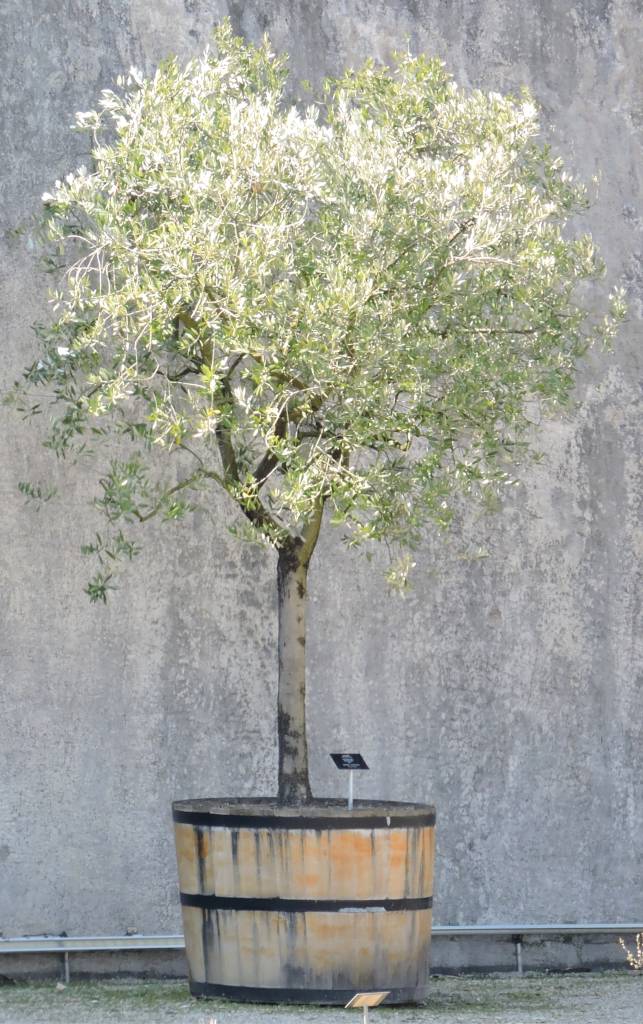
Apart from the totemic olive trees and lavender, many flower shrubs only require watering once a week. That’s the case for cistus, oleander, Mexican orange tree, perovskia, cinquefoil. On the other hand, escallonia or grevillea are perfectly content with one watering every two weeks.
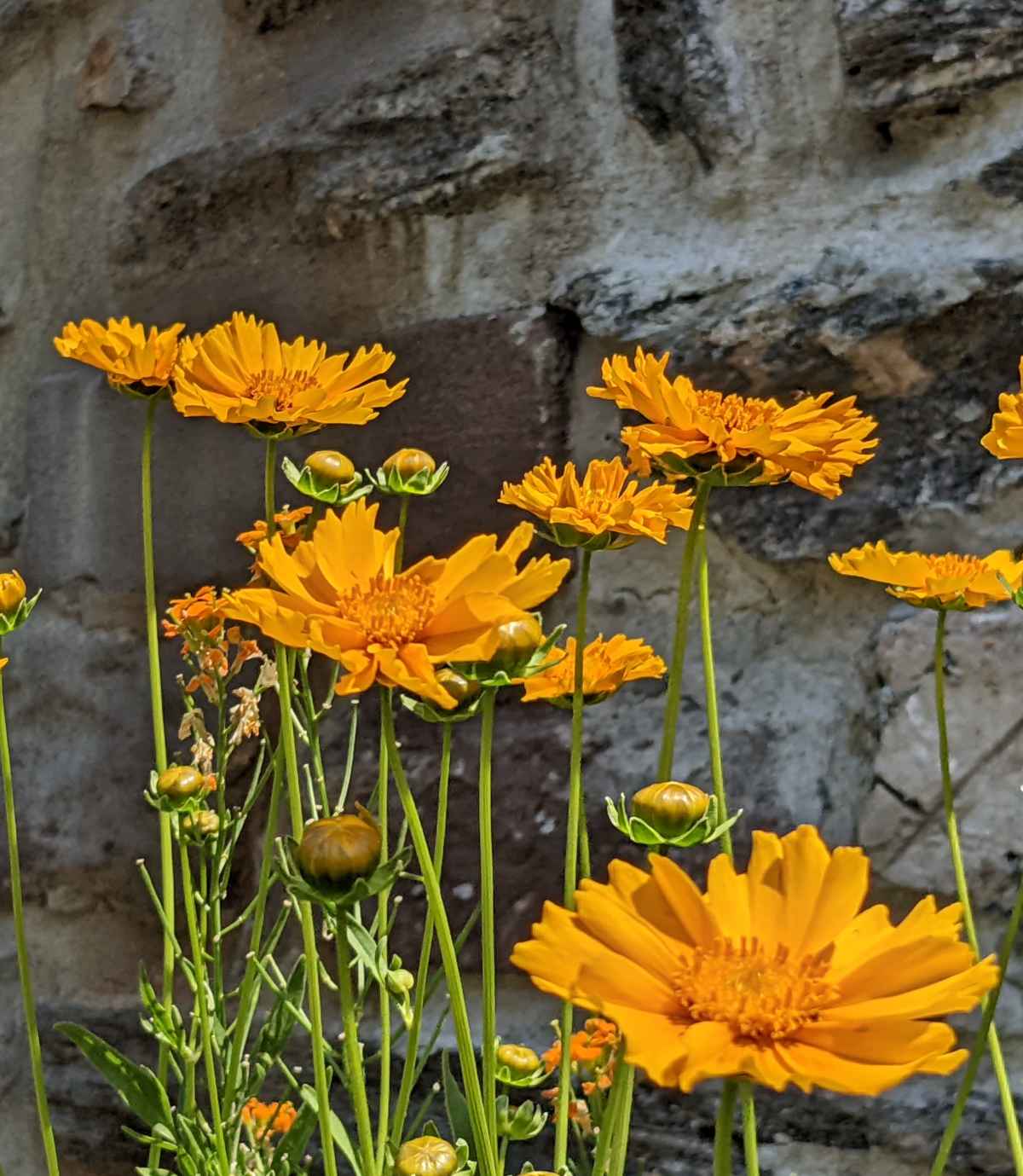
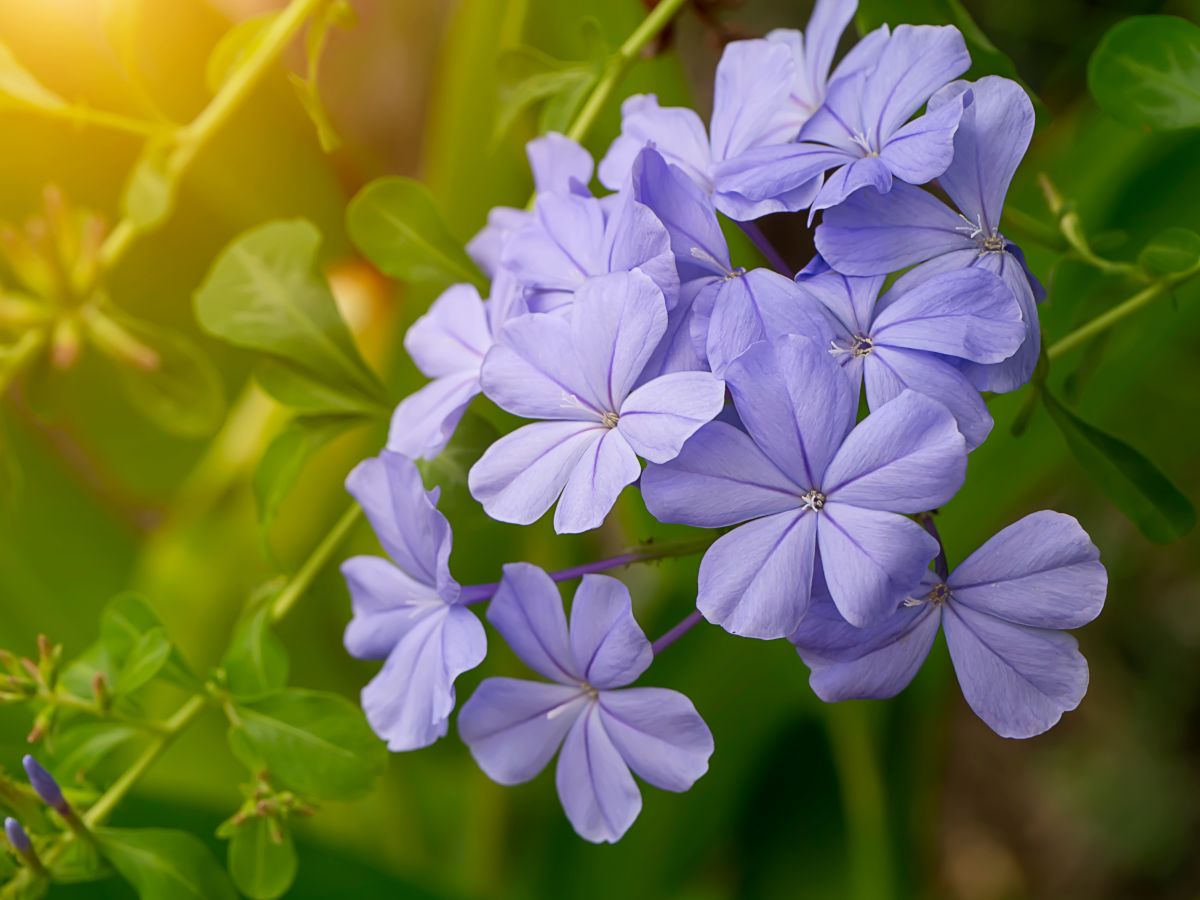
Wrap up your landscape and stone walls with climbing vines: hummingbird vine, dipladenia or mandevilla, ivy and jasmine which are among the least thirsty species. Most plumbago varieties such as ‘Royal Cape’ or the ‘Escapade’ plumbago series don’t require much water either. Perennials such as spurge, coreopsis, beeblossom, nepeta, phlomis, stonecrop, sedum… Put a few herbs and spices for the finishing touch: bay laurel, myrtle, rosemary, santolina, savory, medicinal sage, thyme, curry plant…
And if watering once a week is still too much for you, take your pick from a range of succulents, these are camel-like plants that can survive with only a single drop of water, like houseleek, echeveria and crassula.
The plants named above do not all ask for the same thing: some are happy with a weekly drink, others go a fortnight, and a few barely notice the difference. Here is how they sort out when you are choosing what to put in the pot.
| Plant type | Examples from the article | Watering | What it brings to the arrangement |
|---|---|---|---|
| Flowering shrubs | Cistus, oleander, Mexican orange tree, perovskia, cinquefoil | Once a week | Height and structure, plus flowers |
| The toughest shrubs | Escallonia, grevillea | Once every two weeks | The longest gaps between waterings |
| Climbing vines | Hummingbird vine, dipladenia or mandevilla, ivy, star jasmine | Among the least thirsty | Dresses walls and stonework |
| Perennials | Spurge, coreopsis, beeblossom, nepeta, phlomis, stonecrop, sedum | Low | Fills the pot at mid-height |
| Herbs and spices | Bay laurel, myrtle, rosemary, santolina, savory, medicinal sage, thyme, curry plant | Low | Scent, and something to pick |
| Succulents | Houseleek, echeveria, crassula | A single drop of water | The least demanding option of all |
Group plants with similar needs in the same pot and one watering round will suit them all.
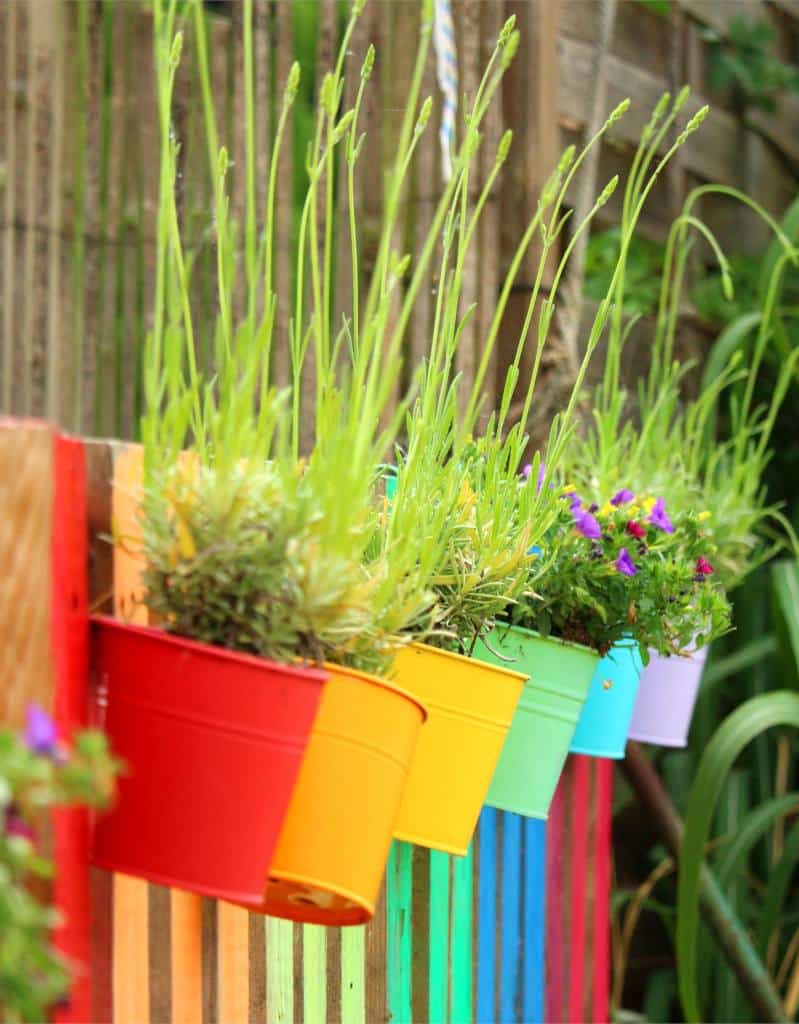
For your container pot arrangements to succeed, you need to give your plants the optimal growing environment. This means choosing a proper soil mix that has high nutrient content, an effective drainage layer and a container that is large enough.
Talking of pots, keep in mind that terra cotta pots tend to absorb part of the water, so you’ll need to water a bit more. Metal or plastic pots, while not absorbing water, tend to heat the roots up, so use pot covers made of wood or straw to insulate them. Also, avoid dark garden boxes that capture heat.
Spread mulch on top of the soil mix to lock the moisture in, and set your pots up close together to create a plant micro-environment where the taller plants cover smaller ones with shade. Did you know a recent discovery led to creating “water pebbles” which are a type of polymer that absorbs insane amounts of water to release it to the roots? You can mix these into the soil mix upon planting – about 1 gram for 1 quart (1 liter) soil mix. They’ll absorb any excess water and will keep the soil moist for much longer.
Laure Hamann with minor edits by Gaspard Lorthiois