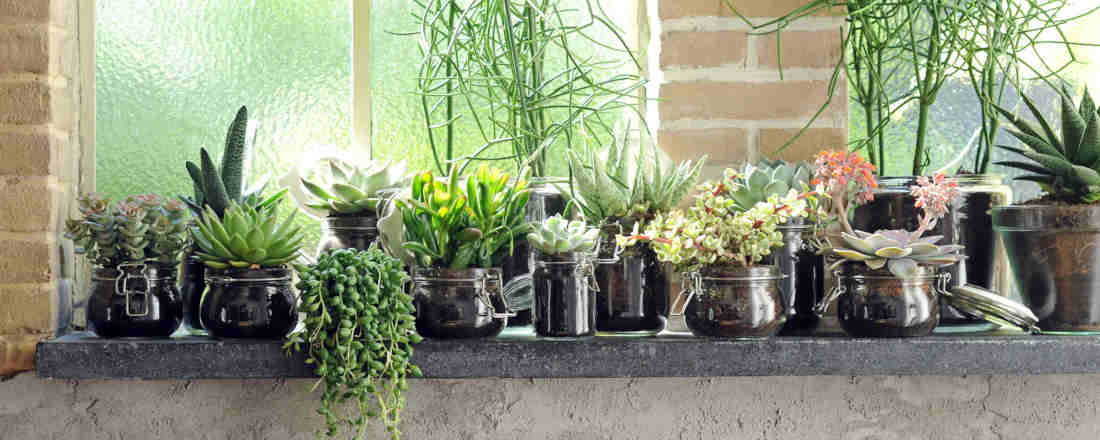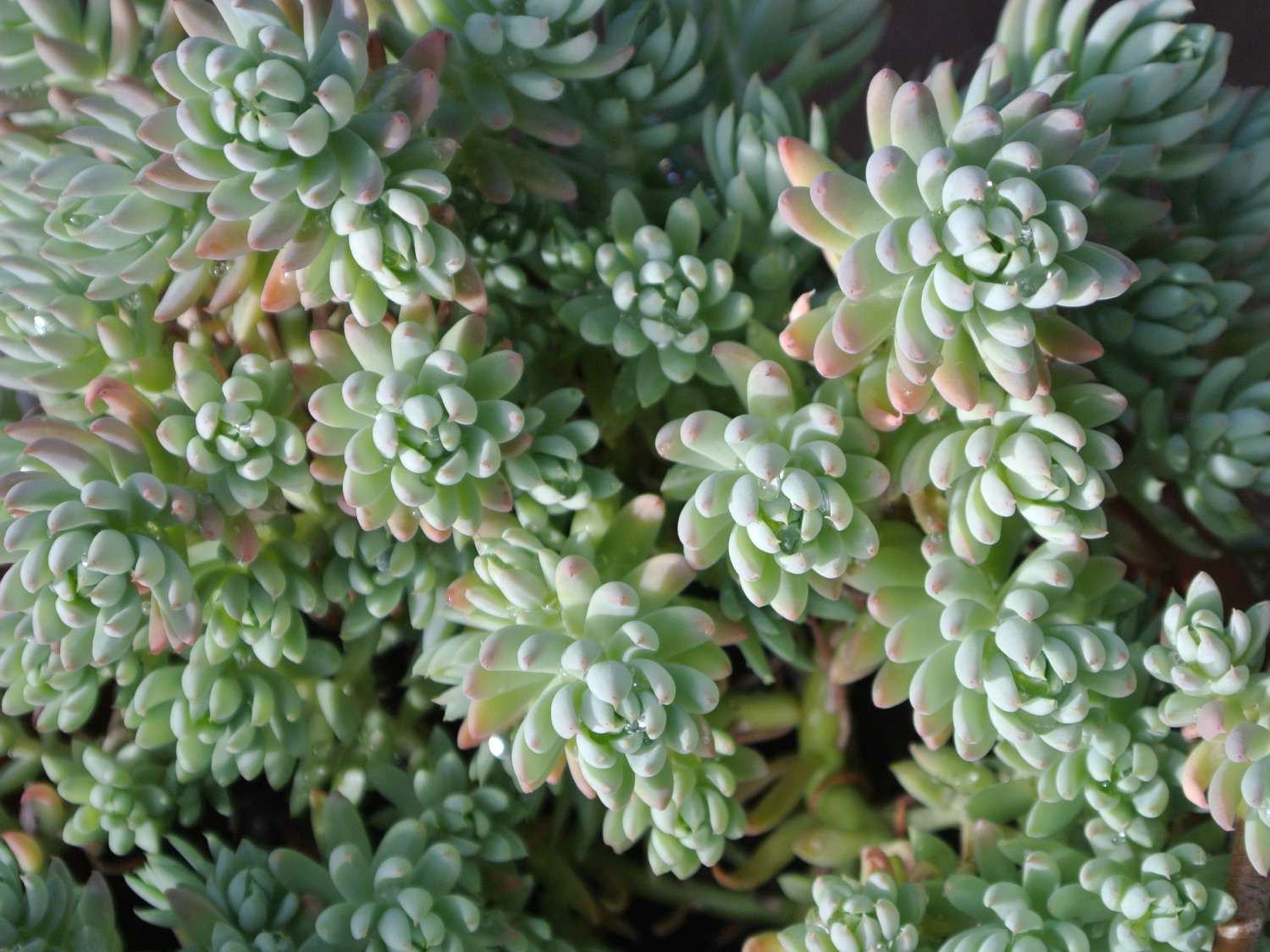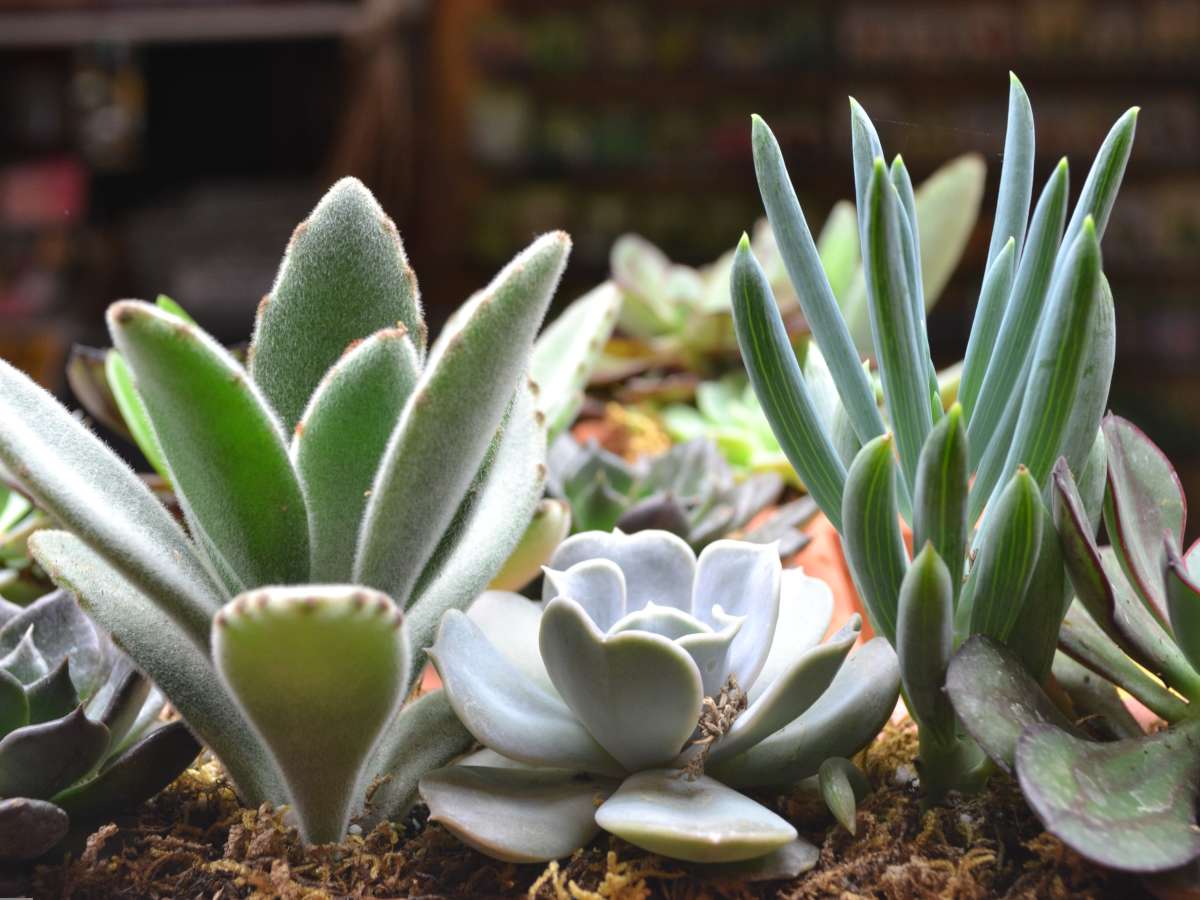
Smooth, waxy leaves packed into taut geometric rosettes, holding their own reserve of water: that is a succulent. They ask for almost nothing — no fertiliser, no pruning, a soak roughly once a month — but light is non-negotiable, and a bright windowsill turns them into living pieces that look designer-made.
“Succulent” is the name given to plants that are adapted to surviving in arid, desert environments.
They have the capacity to store water in their leaves, roots or stems. Cactuses belong to this group of plants, but usually the term “succulent” is meant to only refer to thick-leaved plants that don’t have needles or spikes.
Native to the Americas, Africa and the Mediterranean coastal areas, there are hundreds of species with divers shapes, sizes and colors. Aeonium, Crassula, Echeveria, Kalanchoe, Sedum for inside the house; houseleek for outside… Take your pick! Most present surprising graphical shapes that seem to have been created by top-end designers, with smooth, waxy leaves. The wax and taut skin helps reduce water evaporation, and protects the inner parts of the plant from the often scorching air in their native environment.
The genera named above each have a handful of forms that turn up again and again in garden centres and seed catalogues. Here are the ones worth knowing before you start mixing a potful.
| Variety | Height | Indoors or outdoors | Standout feature |
|---|---|---|---|
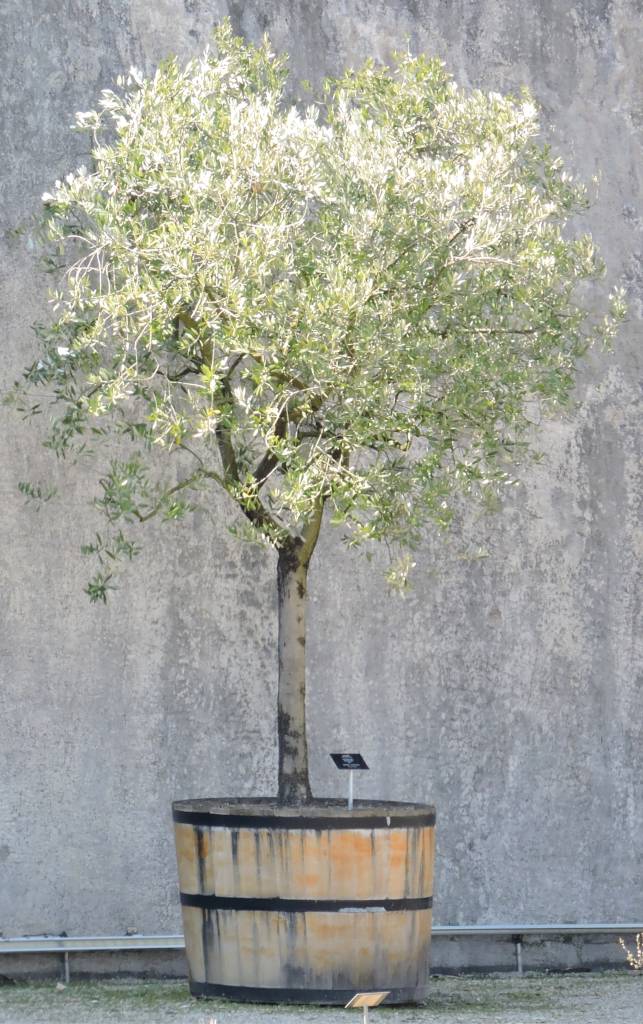
| Jade plant (plain green form) | 60–100 cm as a pot plant | Indoors, outside for the summer | Thick trunk and glossy paddle leaves, ages into a miniature tree |
| ‘Zwartkop’ (black rose) | Up to 1 m | Outdoors in summer, frost-free in winter | Near-black rosettes held on branching stems |
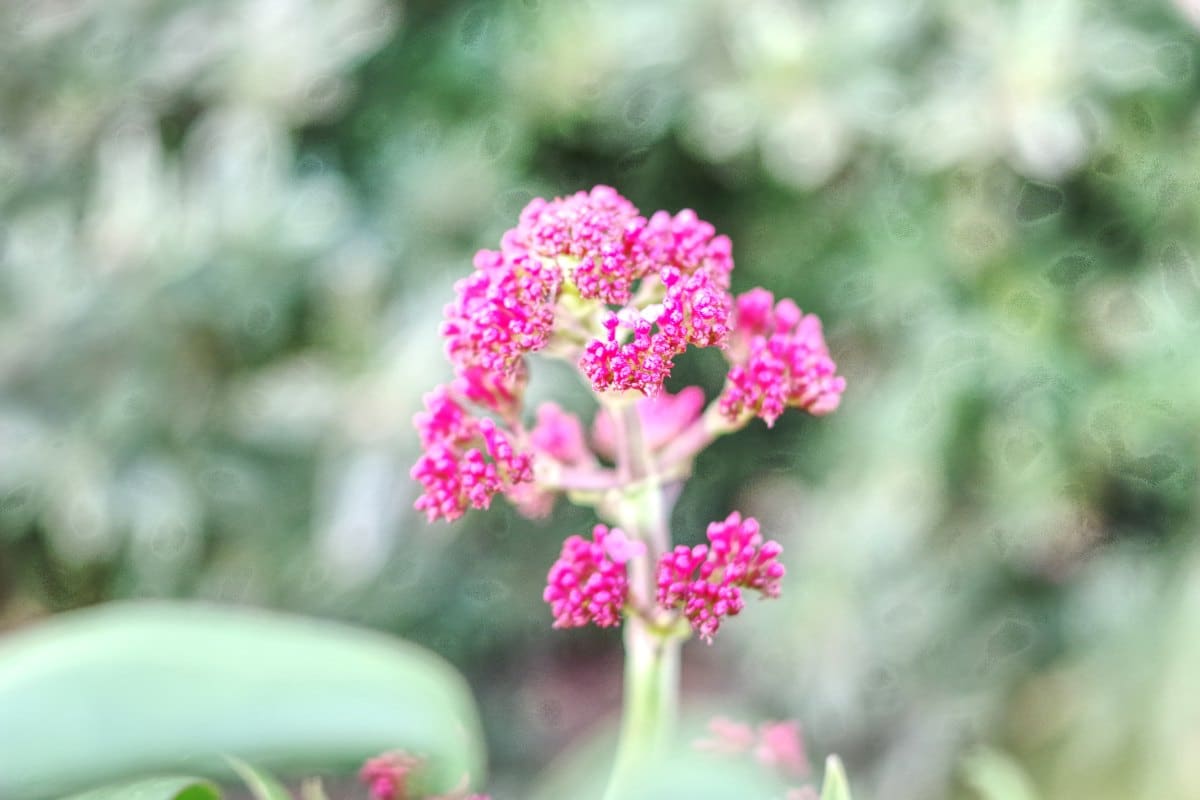
| ‘Herbstfreude’ (Autumn Joy) | 50–60 cm | Outdoors, fully hardy | Flat pink flower heads in late summer that fade to russet |
| ‘Perle von Nürnberg’ | Rosette 12–15 cm across | Indoors | Grey-lilac rosette with a heavy waxy bloom |
| ‘Calandiva’ series | 25–30 cm | Indoors | Double rose-like flowers over many weeks |
Apart from their diversity and their uniqueness, what makes succulents appealing is that they practically don’t require any care at all! They need neither fertilizer, nor pruning, nor repotting and watering is only needed about once a month. To water them best, practice immersion: dip the entire pot in a pail filled with water for an hour or two, so the soil and plant can soak water up. After a couple hours, lift the pot up out of the water and drip-dry. You’ve just let it experience a flash-flood, and the plant is now set for another month!
The only important need they have: light. Feel free to place them near windows, and in summer you can also bring them outside to bask in the garden.
Thanks to the extremely low water needs, succulents can be planted in all kinds of containers and locations.
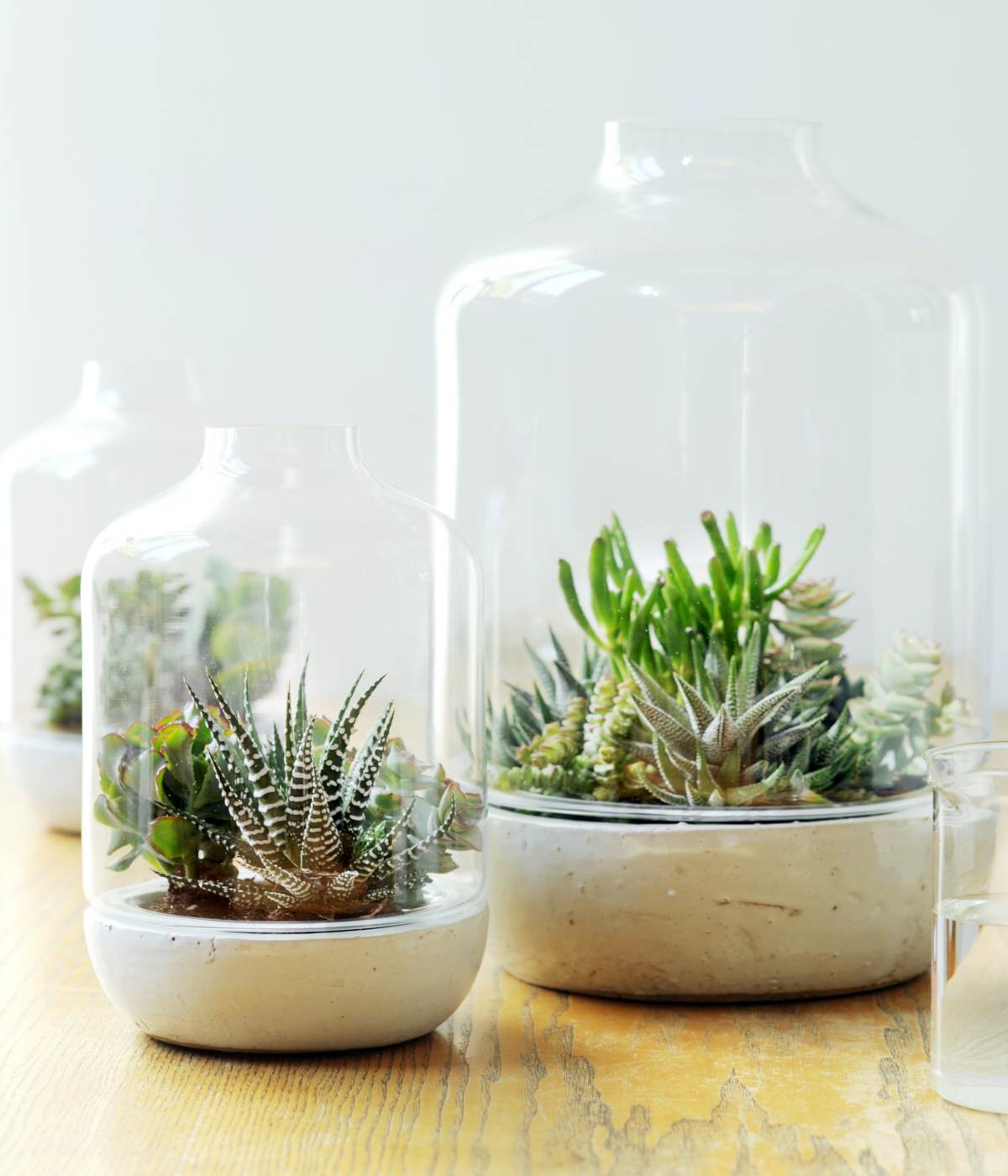
Trendy designer home aficionados love planting them in glass bowls, terrariums, recycled tea tins…
They’re also perfect for pot arrangements: match and mix several different succulent varieties in a large pot and cover the soil surface with a layer of ornamental gravel or pearls.
The substrate on which the succulents grow must drain very well. Use special cactus soil mix, or mix together one part earth, one part soil mix and one part sand.
Preparing cuttings from succulents is very easy.
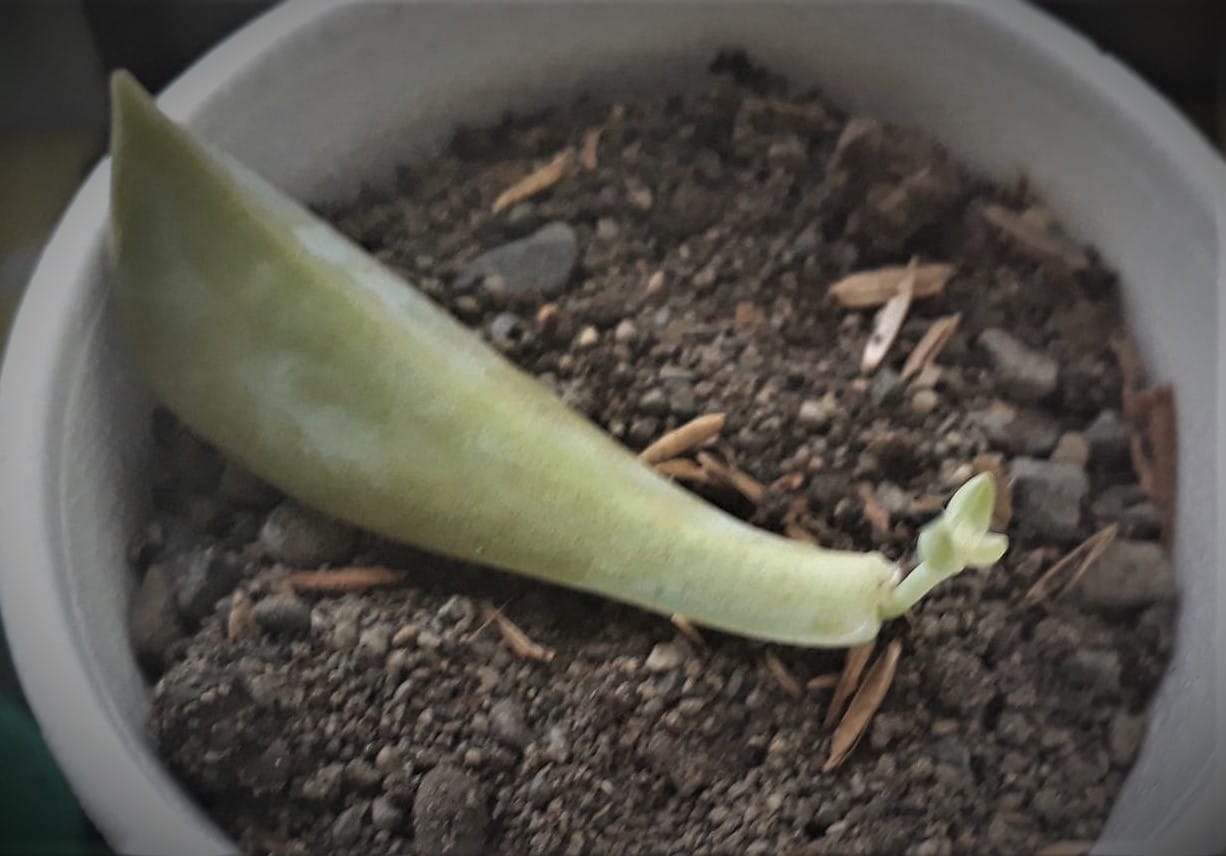
After a couple weeks, once roots have appeared, you can repot them!
Laure Hamann
edited and updated by Gaspard