Home » Health » Apricot: how the fruit, the leaves and the stone oil are used
Apricot: how the fruit, the leaves and the stone oil are used
·
0
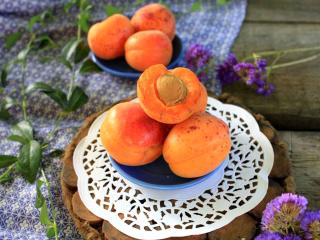
Apricot (Prunus armeniaca) gives you three very different things: a soft summer fruit, leaves that can be infused, and a light oil pressed from the kernel inside the stone. This page tells you which part to use, in what form, what it tastes like, and the one part of the tree that genuinely needs caution.
A fruit traded west from China over four thousand years
Apricot at a glance
Item
Detail
Botanical name
Prunus armeniaca
Family
Rosaceae
Parts used
Fruit (fresh and dried), leaves, oil pressed from the kernel
Forms of use
Eaten raw, dried, cooked; leaf infusion and decoction; kernel oil for massage and skincare
Harvest season
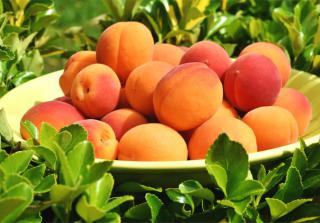
Fruit from early summer (early varieties) to late summer (late varieties); leaves in midsummer
Taste
Sweet with a tangy edge when fresh; deep and honeyed when dried; the leaf tea is green, faintly almond-like
Popular cultivars
‘Bergeron’, ‘Lambertin’, ‘Rouge du Roussillon’, ‘Orange de Provence’
What it is credited with
The orange pigment is the plant form of vitamin A
The fruit itself is straightforward nutrition. What follows belongs to tradition and to naturopathic practice, and is given as such.
The fruit is rich in beta-carotene and contains vitamin C, B vitamins, potassium, iron, calcium and magnesium — plain facts of composition.
Naturopathy values fresh apricot as a watery, refreshing summer fruit (around 85% water) and credits it with a mildly diuretic, “clearing” effect.
Herbal tradition counts the fruit’s fibre among the gentle helps for a sluggish transit and heavy digestion.
Apricot leaf infusion has a long reputation for soothing a scratchy throat and a dry, tickly cough.
A leaf decoction is traditionally used as a wash on irritated skin and blotchy rashes.
In older herbal writings, diluted juice from the leaves was given for bouts of dysentery — recorded here as history, not as a course of action.
Kernel oil is traditionally massaged into aching muscles and stiff joints, including for what was once simply called rheumatism.
Dried apricots are a classic of sports and walking kit, credited by naturopathy with steady energy and with easing the cramp-prone.
In beauty practice, kernel oil has a reputation for nourishing dry skin, softening it after sun exposure, toning a dull complexion and conditioning brittle hair.
Water and fibre: why apricot suits heavy summer meals
How to use it
Apricot leaf infusion (throat and cough)
Pick healthy leaves in midsummer, when they are fully grown and unblemished.
Use a small handful of fresh leaves, or a heaped teaspoon dried and crumbled, per mug.
Pour water just off the boil over them, cover, steep 8 to 10 minutes, strain.
Drink warm, up to two or three mugs across the day, and stop after a few days rather than making it a standing habit.
Taste: grassy and faintly almond-scented. A spoon of honey suits it well.
Apricot leaf decoction (skin wash)
Put a generous handful of leaves in a pan of cold water.
Bring to the boil, simmer 10 minutes, cover and leave to cool completely.
Strain, then use cool on a cloth or cotton pad as a compress on irritated patches.
Make it fresh each time; keep leftovers in the fridge for no more than a day.
Leaves picked in midsummer for infusions and skin washes
Kernel oil for massage
Buy cold-pressed apricot kernel oil, food or cosmetic grade — do not attempt to press your own from stones.
Warm a little between the palms, then work it into dry skin, shoulders or knees with slow circular pressure.
It sinks in fast and is not greasy, which makes it a good evening oil and a good after-sun oil.
Patch-test on the inner forearm and wait a day before using it widely.
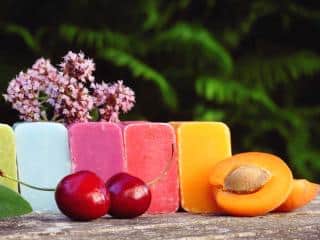
Kernel oil, traditionally rubbed into tired muscles and joints
In the kitchen
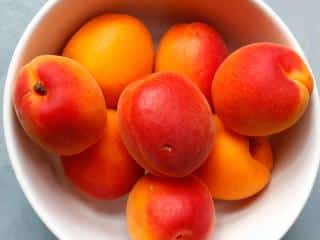
Raw and ripe, out of the bowl, is the simplest and the best.
Halved and baked into a crumble with flaked almonds; poached in light syrup with a vanilla pod.
Sliced into green salads, grain salads and fruit salads; blended into smoothies with yoghurt.
Cooked with prunes alongside chicken, in a tagine, or with roast pork.
For a tart: scatter equal parts sugar and flour over the pastry base first — it soaks up the tang and the juice.
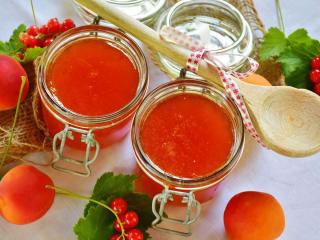
Jam keeps the summer crop going right through the cold half of the year.
Sugar and flour under the fruit keeps tarts from weeping
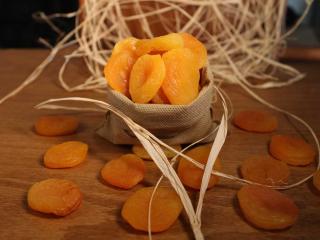
Dried apricots
A small handful before a walk, a ride or a long garden session; another afterwards.
Chop into porridge, couscous, stuffings and bread doughs.
Soak in warm water or tea for twenty minutes to plump them up for compotes.
A walker’s pocket food, dense and quick to eat
Apricot face mask
Blend 3 ripe apricots with 2 tablespoons of cottage cheese and the juice of half a lemon.
Spread over a clean face, avoiding the eyes; leave 10 minutes, rinse with cool water.
Naturopathic beauty practice credits it with hydrating, tightening pores and lifting a dull tone.
Skip the lemon if your skin is reactive, and avoid sun straight afterwards.
Ripe fruit, cottage cheese and lemon: the simplest mask
Which part, which form, what for
Part and form
How it is prepared
What it is traditionally used for
Fresh fruit
Eaten raw, ripe, at room temperature
Refreshing summer eating; credited by naturopathy with a clearing, mildly diuretic effect
Dried fruit
Eaten as is, or soaked and stewed
Concentrated, portable energy food for walkers and sports enthusiasts
Leaf infusion
A handful of leaves, water off the boil, 8–10 minutes covered
Reputation for soothing a scratchy throat and a tickly cough
Leaf decoction
Simmered 10 minutes, cooled, strained
Traditional cool compress for irritated, blotchy skin
Kernel oil
Cold-pressed, bought ready-made
Massage for tired muscles and stiff joints; nourishing dry skin and hair
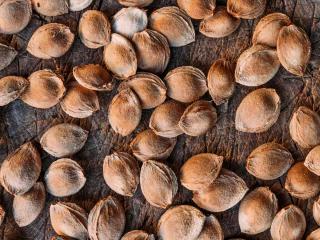
The stone: useful as pressed oil, never as a snack
Frequently Asked Questions
The one thing to remember: eat the fruit freely, infuse the leaves briefly, use the kernel as pressed oil — and never eat the pits.
Can you eat apricot kernels?
Treat them as something not to eat. The pit inside the stone contains amygdalin, which the body converts into cyanide, so kernels can be toxic in excessive quantities. A single pit is not dangerous, but five or more may lead to hospitalisation. Use commercially pressed apricot kernel oil instead.
How do I make apricot leaf tea?
Use a small handful of fresh leaves or a heaped teaspoon of dried, crumbled leaves per mug. Pour on water just off the boil, cover and steep 8 to 10 minutes, then strain. It has a green, faintly almond-like taste that takes honey well, and is traditionally sipped warm for a scratchy throat.
When are apricots and their leaves at their best?
Fruit ripens from early summer for the early varieties through to late summer for the later ones, depending on your area and cultivar. Leaves are best picked in midsummer, fully grown and unblemished, from a tree you know has not been sprayed. Dry them flat in the shade before storing.
Are dried apricots as good as fresh ones?
They are different foods. Fresh apricot is mostly water and refreshing; dried apricot is concentrated, sweeter and dense, which is why walkers and sports enthusiasts keep a handful in a pocket. Dried fruit is also potassium-rich, so mention a heavy habit to a healthcare professional if you take heart or blood-pressure medication.
Can I put apricot kernel oil on my face?
It is a light, fast-absorbing oil that beauty tradition credits with softening dry skin and calming it after sun exposure. Patch-test on the inner forearm and wait a day, especially if you react to cherry, plum, peach or almond. Store it in a dark bottle away from heat, as it turns rancid quickly.
This information is provided for general interest and reflects the traditional use of plants. It is not a substitute for medical advice. If you are on medication, pregnant, or in any doubt, ask a healthcare professional.
Written by Gaspard Lorthiois | Loves helping out, especially when it comes to growing things. Worked in herbal medicine, runs a farm, and dabbles in tech. Master's degree and engineer.