Home » Health » Olive: leaf, fruit and oil in traditional use
Olive: leaf, fruit and oil in traditional use
·
0
The olive tree (Olea europaea) gives three very different things to the kitchen shelf: a bitter leaf for infusions, a salty fruit for the table, and an oil pressed from that fruit. This page sets out what each one actually is, what Mediterranean herbal tradition makes of them, and how to prepare them at home tonight.
Olive at a glance
Item
Detail
Botanical name
Olea europaea
Family
Oleaceae
Parts used
Leaves, fruit, oil pressed from the fruit
Forms of use
Leaf infusion, brined or cured fruit, cold-pressed oil, oily macerate for the skin
Harvest season
Leaves all year, best in late spring; green fruit early to mid-autumn; black fruit early winter
Taste
Leaf: bitter and grassy. Fruit: salty, sometimes sharp. Oil: fruity, peppery, sometimes with a throat tickle
Green and black olives: the same fruit, picked at different stages
What it is credited with
Mediterranean herbal tradition has long used olive leaf infusion as a support for the circulation, drunk as a cure over several weeks.
Herbalists class the leaf among the mild diuretic plants, and traditionally recommend it in periods of water retention and puffiness.
Naturopathy credits olive oil taken on an empty stomach with a gentle effect on sluggish digestion and bile flow.
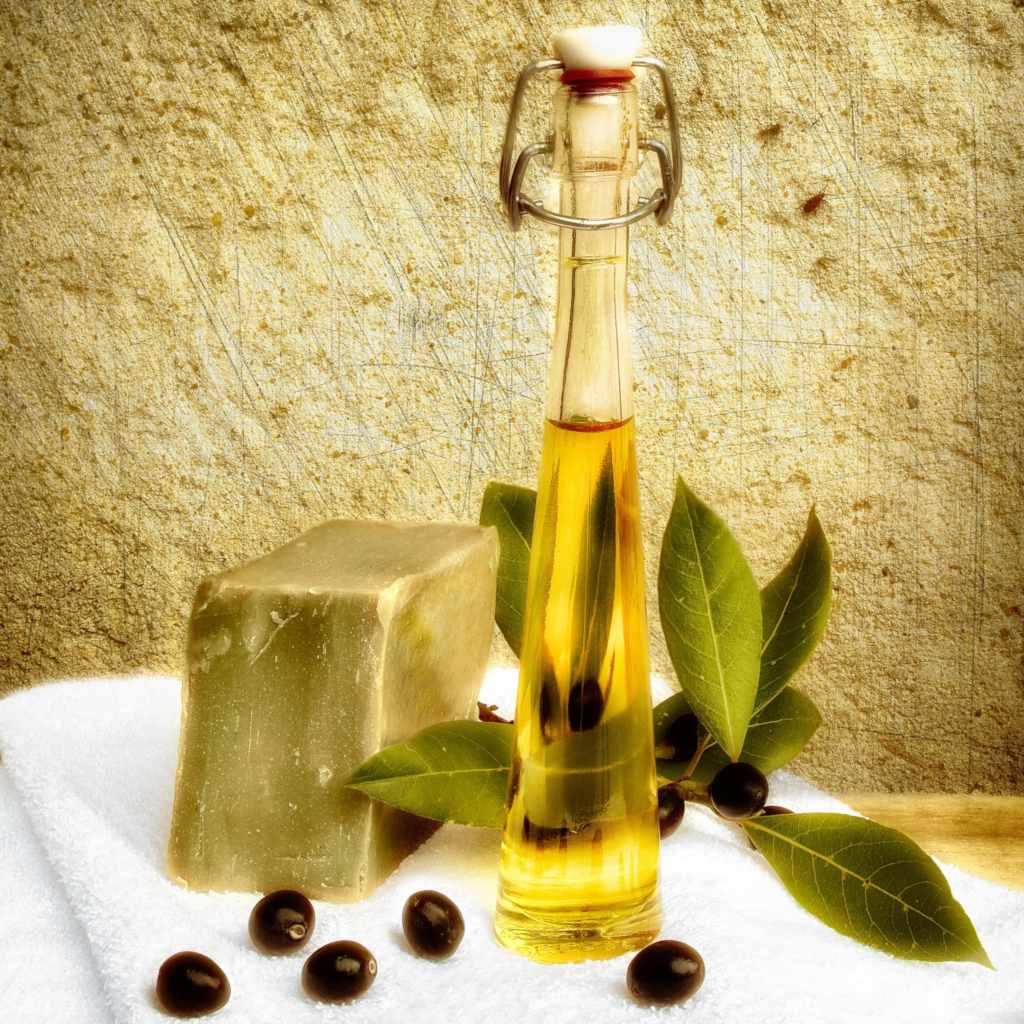
Olive oil has a reputation, in home practice, as a softening and emollient ingredient, which is why it appears as a base in liniments and ointments.
Applied to the skin, it is traditionally used to soothe dryness, tight skin after sun exposure, and rough elbows and heels.
The oil is also a long-standing hair and scalp treatment: warmed and massaged in before washing.
Because it is rich in vitamin E and polyphenols, olive oil is valued by naturopaths as an antioxidant food within an everyday diet.
How to use it
Olive leaf infusion
Use dried leaves, crumbled but not powdered. A small handful fills a teapot for two or three mugs.
Pour water just off the boil over the leaves and cover. Steep ten to fifteen minutes; the leaf is tough and needs time.
The taste is frankly bitter. A slice of lemon, a sprig of mint or a little honey makes it easier.
Traditional practice drinks it as a cure of two to three weeks, then pauses, rather than daily all year.
Olive leaf decoction
For a stronger, darker brew: put the leaves in cold water, bring to a simmer, hold it there a few minutes, then leave off the heat to steep.
Strain well. It keeps a day or two in the fridge and can be drunk cool.
Olive oil, in the kitchen
Choose extra virgin: the label guarantees audited pressing and defined taste criteria.
Use it raw over salads, pulses, steamed vegetables and soups to keep its aroma and its vitamin E.
French oils are reputed powerful and fruity, Spanish ones more acidic and fragrant, Italian ones soft and elegant. Tunisian and Greek oils have improved steadily.
Taken as a spoonful on an empty stomach, in the morning, is the classic naturopathic habit for a slow digestion.
Olive oil on the skin
Warm a little in the palms and massage into dry patches, cuticles and heels at bedtime.
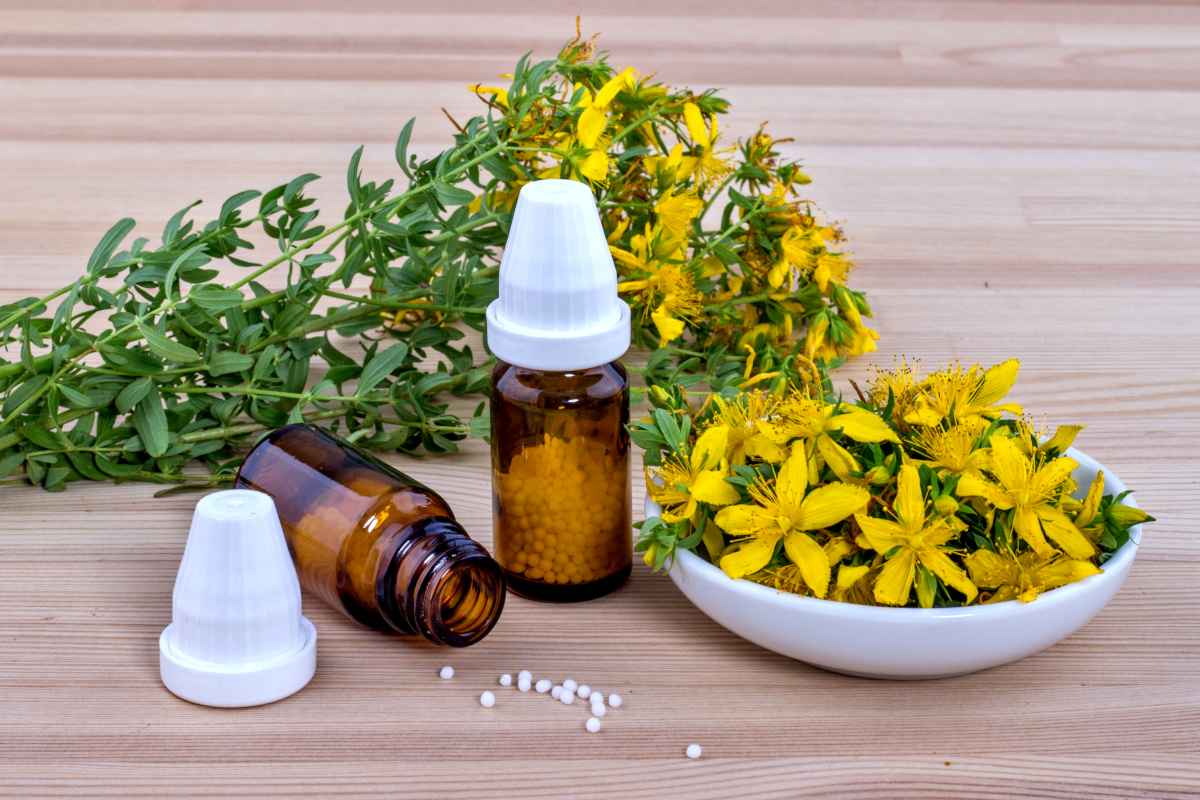
For an oily macerate, cover dried flowers or herbs with olive oil in a sealed jar, leave in a warm spot for a few weeks, then strain.
For hair, comb the oil through dry ends, wrap in a towel for an hour, then shampoo twice.
Olives at the table
Green olives are picked unripe and are lower in calories than black ones.
Shop-bought olives sit in brine: rinse them if you are watching salt.
Marinate drained olives with lemon zest, garlic, thyme and a good oil for a day before serving.
Which form of olive for which use
Form
How it is prepared
Traditionally used for
Leaf infusion
Dried leaves steeped ten to fifteen minutes, covered
Circulation support and as a mild diuretic drink, in short cures
Leaf decoction
Simmered briefly, then left to steep and strained
A stronger version of the same infusion, drunk hot or cool
Extra virgin oil, internal
Raw, on food or by the spoonful
Sluggish digestion, bile flow, antioxidant intake
Oil, external
Warmed, massaged in; or as a macerate base
Dry skin, after-sun tightness, scalp and hair care
Brined fruit
Rinsed, marinated with herbs and oil
Everyday eating; green fruit is the lighter option
Growing your own olive tree
Olive trees grow almost anywhere but will not fruit in cool regions: they suffer below 14°F (-10°C).
Give them a south-facing spot sheltered from strong wind.
They tolerate poor soil but do best in deep, well-drained, rather chalky ground.
Fruiting becomes reliable only after ten to fifteen years, so buy an older tree if you can.
In pots, the root system needs a large box, repotted into a slightly bigger container each year.
The one thing to remember: keep olive oil raw and in the kitchen, and treat olive leaf infusion as a short seasonal cure rather than a daily habit.
What does olive leaf tea taste like?
Bitter and grassy, closer to a green tea left too long than to a fruity herbal blend. Lemon, mint or a spoon of honey softens it considerably. Steeping it covered for ten to fifteen minutes gets the most out of the tough leaf.
Green or black olives: which should I choose?
They are the same fruit at different stages. Green olives are picked before maturity in early to mid-autumn and are lower in calories; black olives are picked fully ripe in early winter and taste rounder. Both sit in brine, so rinse them if salt is a concern.
Is it worth paying for extra virgin olive oil?
Yes, if you use the oil raw. The extra virgin label means audited pressing and defined taste criteria, and it keeps the vitamin E and polyphenols that cooking heat drives off. Store it in dark glass or tin, in a cupboard, away from the hob.
Can I put olive oil straight on my skin?
It is a long-standing home practice: warm a little between the palms and massage into dry patches, heels or cuticles at bedtime. It is also traditionally used to soothe skin left tight after sun exposure. Stop if it causes itching or a rash, as olive is a known allergen for some people.
When can I harvest olive leaves for infusions?
Leaves can be taken all year from an unsprayed tree, but late spring growth dries best. Spread them flat in the shade, then store them in a tin away from light and damp.
This information is provided for general interest and reflects the traditional use of plants. It is not a substitute for medical advice. If you are on medication, pregnant, or in any doubt, ask a healthcare professional.
Written by Gaspard Lorthiois | Loves helping out, especially when it comes to growing things. Worked in herbal medicine, runs a farm, and dabbles in tech. Master's degree and engineer.