Home » Health » Red radish: how to use the root and the leaves, and who should go easy
Red radish: how to use the root and the leaves, and who should go easy
·
0
Red radish (Raphanus sativus) is the small, peppery root you can pull from a pot on a balcony in a few weeks. It costs almost nothing in calories, tastes sharp and cool, and the leaves are as edible as the root. Here is what to do with it tonight — raw, shredded, in soup — and when to go carefully.
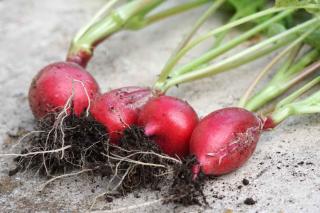
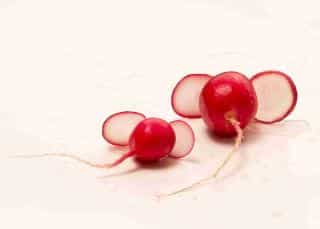
Young, firm radishes: milder, crisper and less sharp than old ones
Red radish at a glance
Item
Detail
Botanical name
Raphanus sativus
Family
Brassicaceae
Origin
Europe and southern Asia; an annual, grown worldwide
Parts used
Root (fresh), leaves (fresh or cooked)
Forms of use
Raw whole, shredded, thin slices, soup, sauté, fresh slices laid on the skin
Harvest season
Mid-spring to mid-autumn, roughly three to five weeks after sowing
Taste
Crisp, watery, peppery; sharper as the root ages
What it is credited with
Naturopathy counts radish among the light, mineral-rich vegetables it recommends during spells of tiredness and low appetite, thanks to its vitamin C, folate, potassium and magnesium content.
Herbalists traditionally class the sulfur compounds that give the pepperiness as appetite-stimulating — the reason a plate of radishes turns up before a meal rather than after it.
In kitchen tradition, radish is eaten to support sluggish digestion and is reputed to help with wind and bloating.
Its fibre is traditionally valued for keeping transit moving.
Country practice uses cold slices of fresh radish laid on skin reddened by sun or heat, for their cooling, watery effect.
Naturopathy credits the whole family of brassicas, radish included, with supporting the body’s own defences against oxidative stress.
How to use it
Root and leaves both belong on the menu, raw or cooked
Raw, the classic way
Trim, wash, leave a short stub of stalk as a handle.
A bunch of six to ten radishes per person, dipped in a pinch of salt, eaten before the meal — that is the appetite-opening tradition.
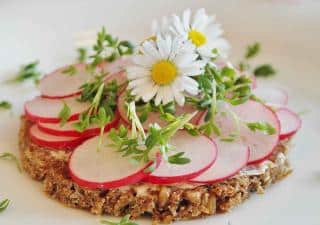
Add butter or fresh cheese on bread to soften the pepperiness.
Eat them the day they are pulled if you can: they lose crunch fast.
Shredded or sliced
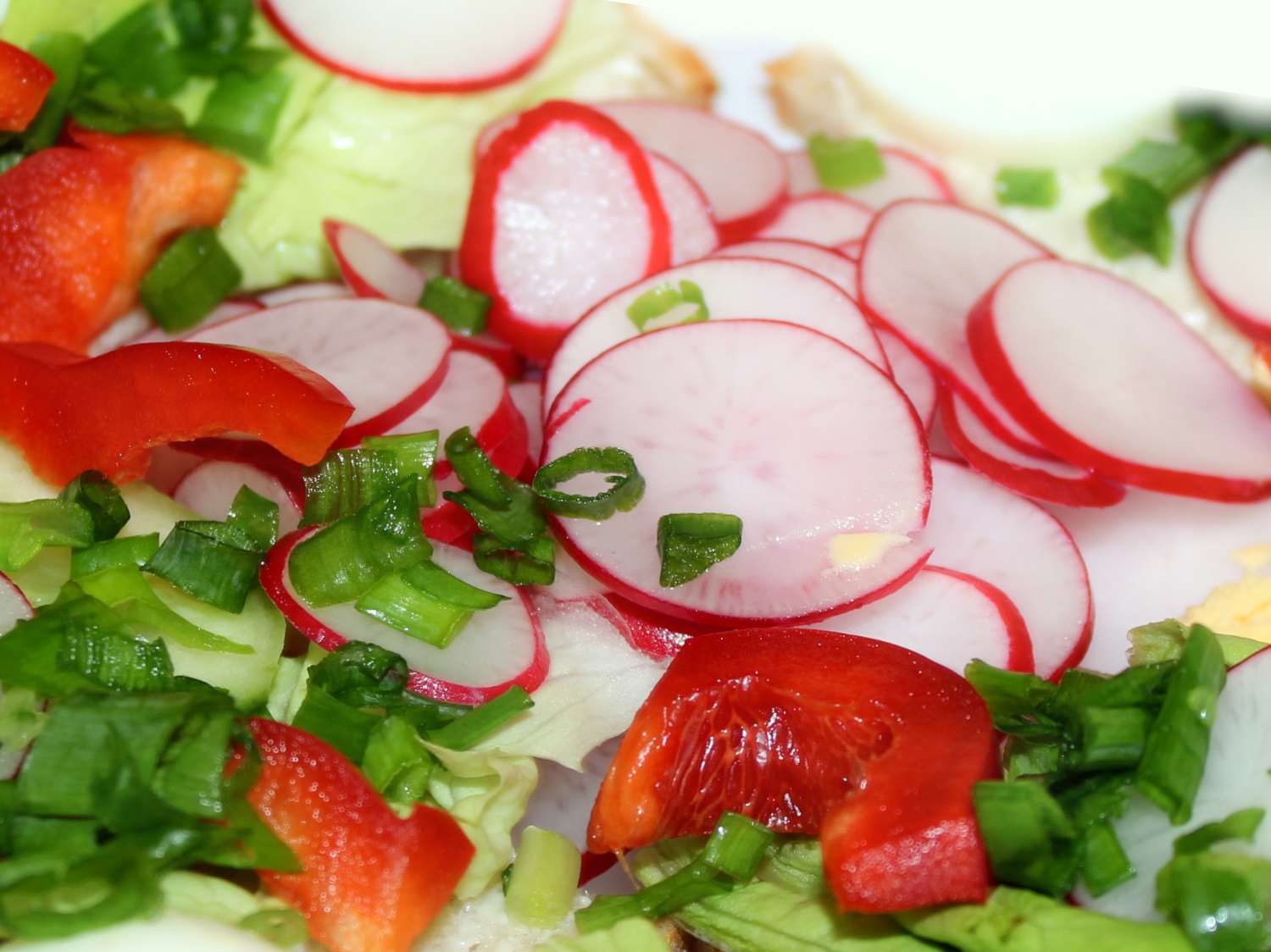
Grate two or three radishes into a green salad, or slice them paper-thin with a peeler.
Dress with lemon and oil; the acidity tames the sharpness.
Salt lightly and leave ten minutes to draw out water if you want them less fiery.
The leaves
Pick only clean, fresh, undamaged tops — discard anything yellow or slug-eaten.
Radish top soup: sweat an onion and a potato, add the washed leaves, cover with water, simmer 15 to 20 minutes, blend.
A handful of young leaves goes into a mixed salad raw, like rocket.
Older leaves are hairy: cook them rather than eating them raw.
On the skin
Slice a chilled radish thinly, lay the slices on intact, unbroken reddened skin for a few minutes.
Rinse afterwards. Never on blistered, broken or peeling skin.
Ways to use red radish
Form
How to prepare it
Traditionally used for
Whole raw root
Washed, trimmed, with salt or butter, before the meal
Opening the appetite, in the old table tradition
Shredded or thin-sliced
Grated into salad, dressed with lemon and oil
A lighter, milder way to eat it when the pepperiness is too strong
Leaves, cooked
Simmered 15–20 minutes in soup, or wilted in a pan
Putting the iron- and vitamin-rich tops to use instead of binning them
Fresh cold slices
Laid on intact skin for a few minutes, then rinsed
Cooling skin reddened by sun or heat, in country practice
Growing your own
Thin the row, or the roots never swell
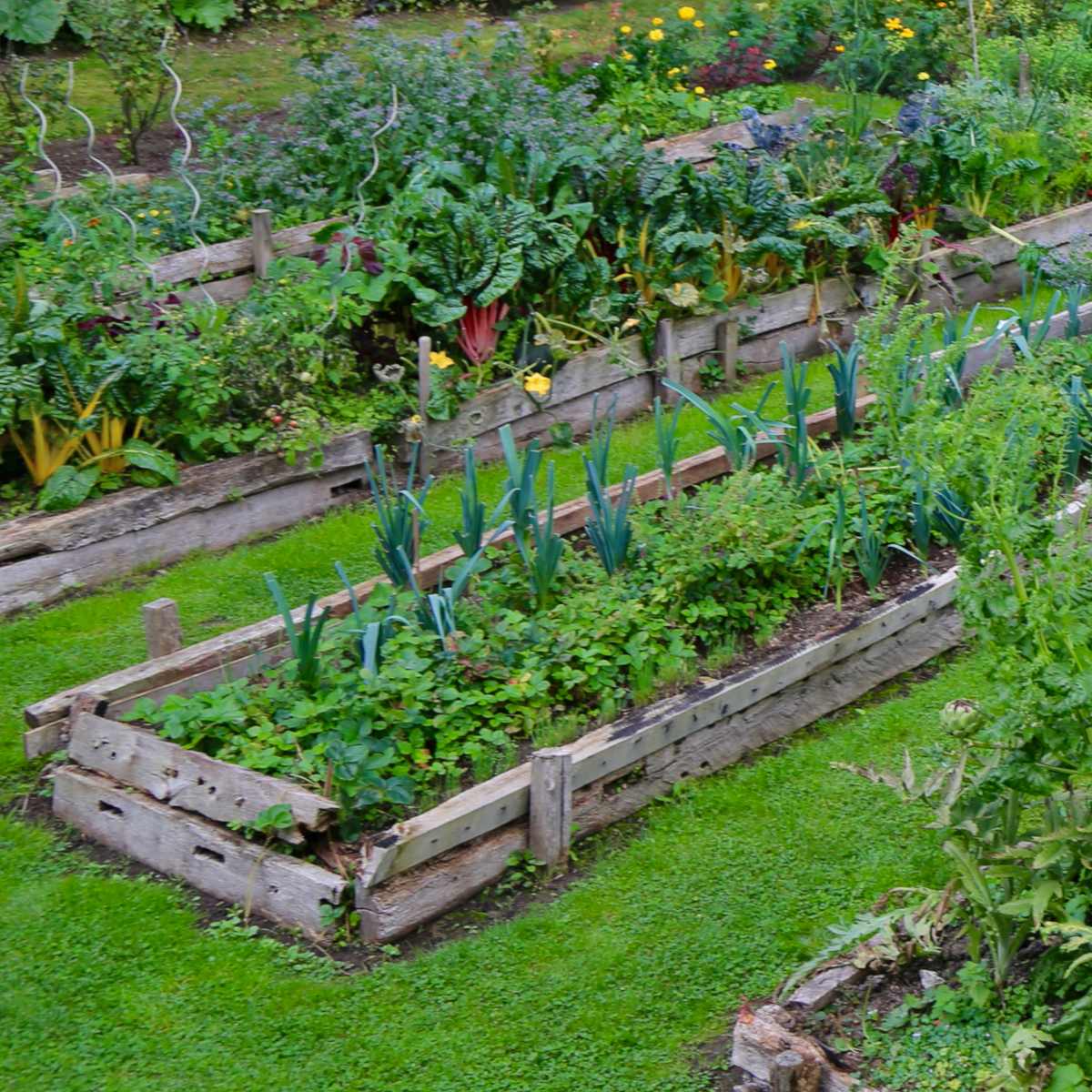
Full sun and a warm spot; rich, cool, light soil, even sandy, and well drained.
Sow in short rows from early spring to late summer, a pinch every two or three weeks for a steady supply.
Thin firmly — crowded seedlings make leaves and no root.
They do well in pots 10 inches (25 cm) deep, in a free-draining sandy mix.
Watch for slugs and snails, which adore the seedlings, and cabbage fly at the roots.
Water evenly: dry spells are what make a radish hot and hollow.
The one thing to remember: pull or buy them young, eat them the same day, and keep the leaves for soup.
Why are my radishes so hot I can’t eat them?
Heat comes from sulfur compounds, and they build up as the root ages or when the plant runs short of water. Harvest three to five weeks after sowing and water evenly. Salting sliced radish for ten minutes, or dressing it with lemon and oil, takes the edge off.
Can I really eat the leaves?
Yes — they carry iron, vitamins and fibre and are usually binned for nothing. Use clean, fresh tops: simmered 15 to 20 minutes in a soup with potato and onion, or wilted in a pan. Young leaves can go raw into a mixed salad, older hairy ones are better cooked.
Is radish good when I’m feeling run down?
Naturopathy includes radish among the light, mineral-rich vegetables it suggests during spells of tiredness and poor appetite, because of its vitamin C, folate, potassium and magnesium. It is a food, not a treatment. Persistent exhaustion is something to take to a healthcare professional.
How long do radishes keep?
Not long. Separate the tops from the roots as soon as you get home, keep the roots in a closed box in the fridge and the leaves in a damp cloth, and use both within two or three days. Radish is at its crispest and mildest within hours of harvest.
Does putting radish on sunburn work?
Country practice lays cold, thin slices of fresh radish on skin reddened by sun or heat for a cooling effect, then rinses. Only on intact skin — never on blisters or broken skin. Serious burns need medical attention, not vegetables.
Images: own work: Rosalyn & Gaspard Lorthiois; Pixabay: Alicja Juskowiak, Petra Fischer, Rita, Christine Sponchia
This information is provided for general interest and reflects the traditional use of plants. It is not a substitute for medical advice. If you are on medication, pregnant, or in any doubt, ask a healthcare professional.
🌿 Nature & Garden Newsletter
Gardening tips, recipes & seasonal advice, twice a week.