Attract butterflies with plants, flowers, and other tips
·
0
A hummingbird hawk-moth holding itself still in mid-air, long proboscis unfurled into a flower, is the reward of a garden planned for butterflies. With their habitat dwindling and pesticides against them, they settle where sun, shelter from wind, nectar flowers and caterpillar food plants such as nettle or clover are all brought together.
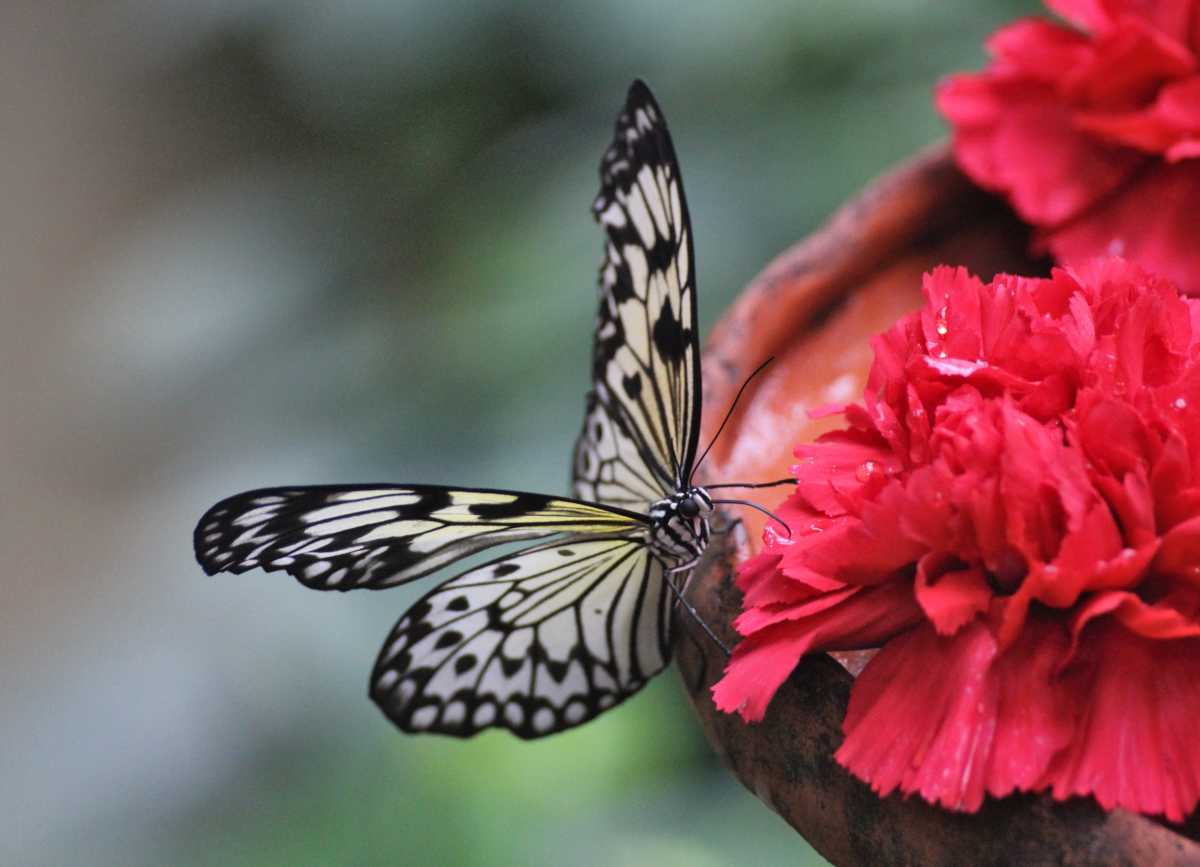
Threatened because their natural habitat is dwindling, and because of pesticides, butterflies can find refuge in our very own gardens, provided a special space is available to them and that their favorite plants are grown.
A little wilderness in the garden
Rule Number One: refrain from using chemical products, and keep a few areas where the grass will grow wild, or a flowered prairie field. Special flower seed mixes designed to attract butterflies are available for sale in horticulture stores.
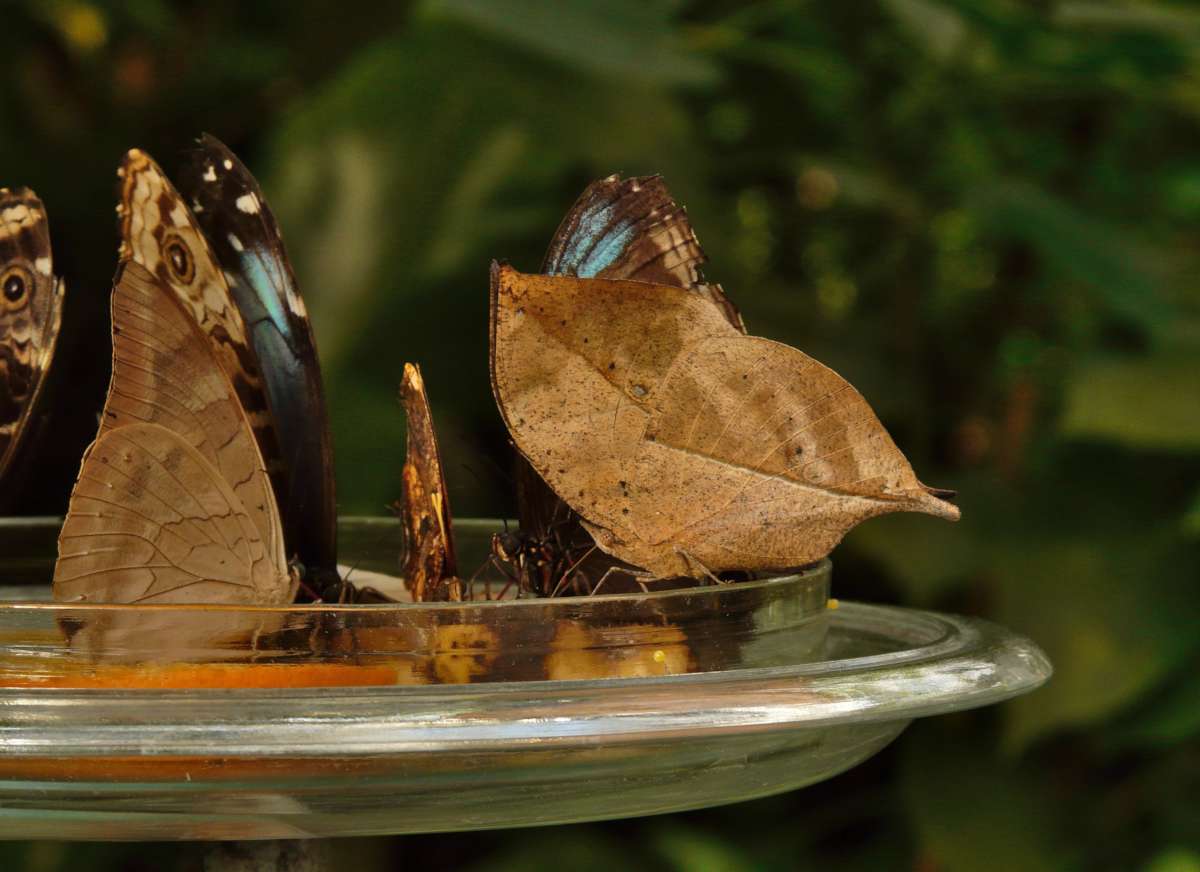
Shallow water sweetened with orange refreshes visiting butterflies
Butterflies are carried away when there’s too much wind and they need sun. Apart from flower beds, they will rejoice in finding mixed hedges especially in urban spaces where there aren’t any. Include thorny hedges (hawthorn, blackthorn), shrub beds (butterfly bush) and fruit trees.
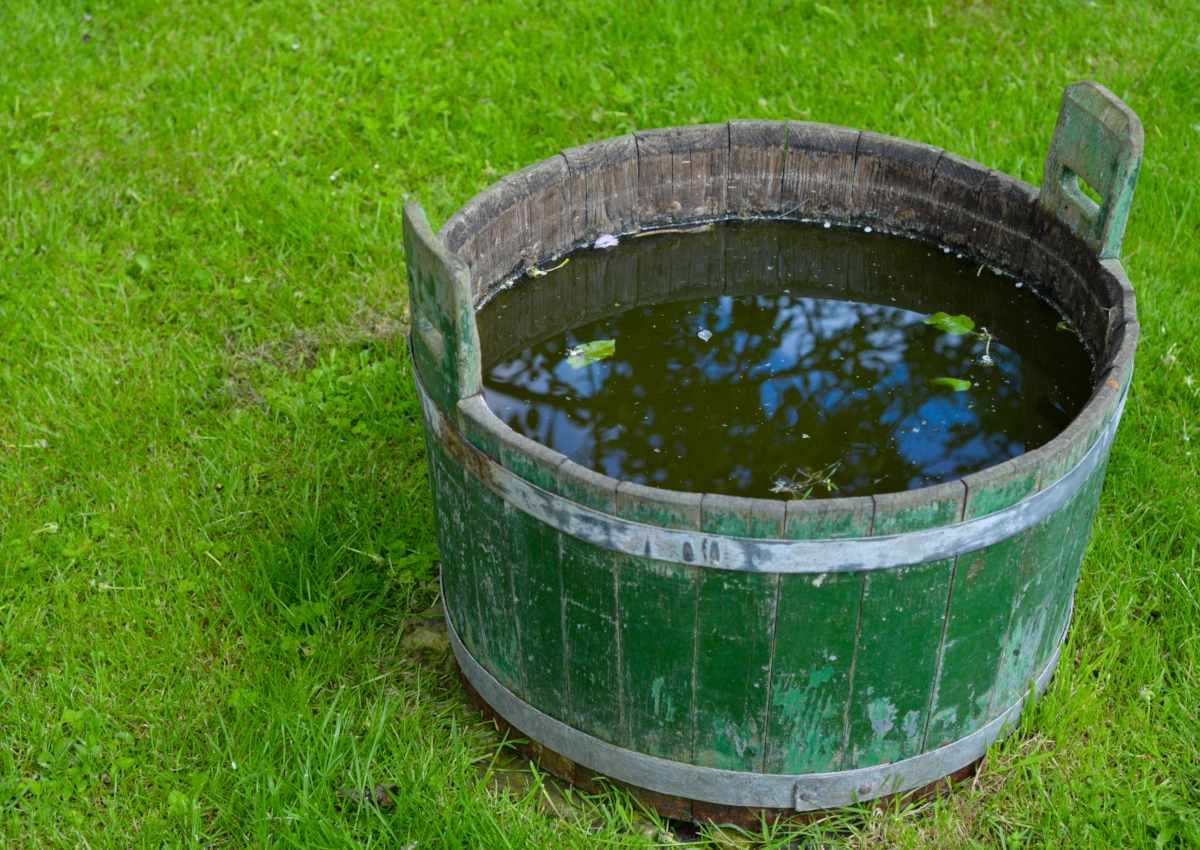
They will also find a shallow water dispenser refreshing. Toss in an occasional slice of orange to sweeten the water!
Plants that attract day butterflies
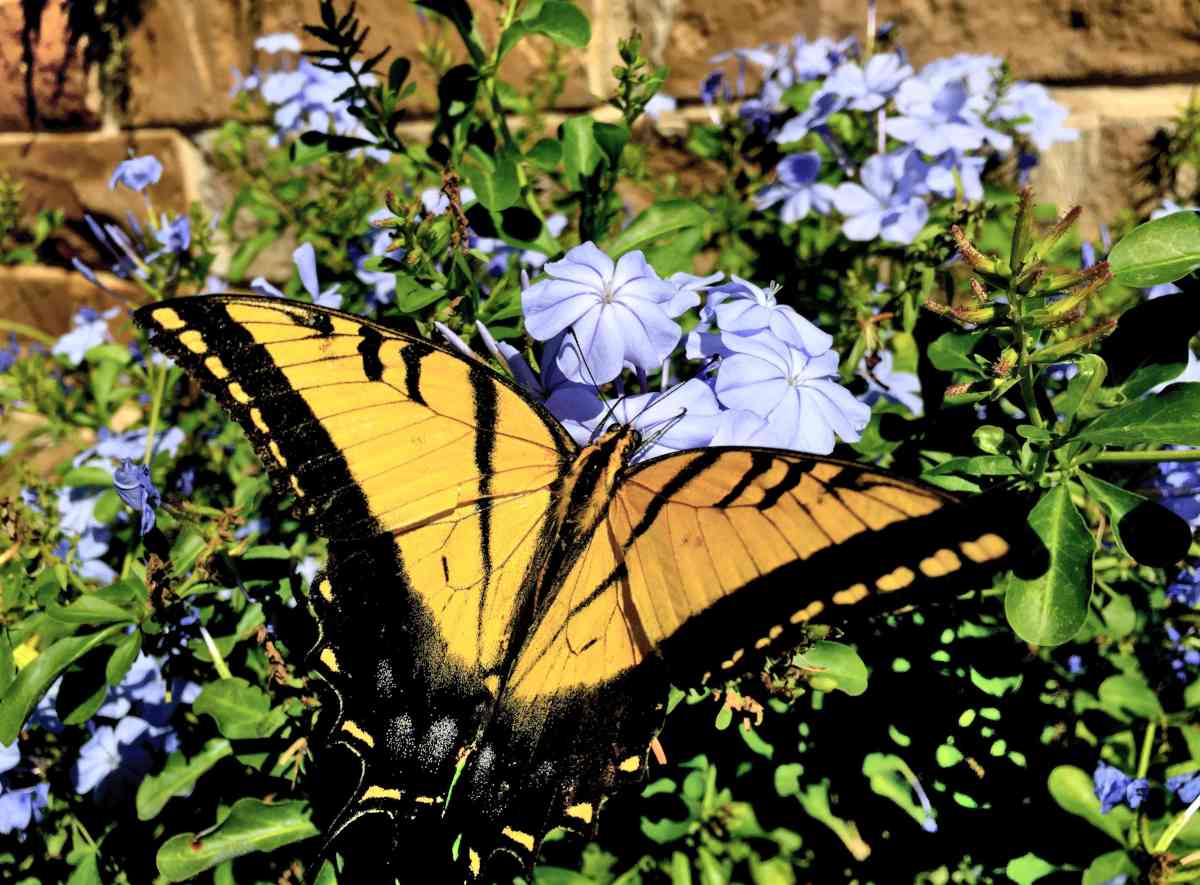
Wall-grown plumbago brings butterflies to gardens short of space
Gardening and pollinator guides generally recommend planting nectar flowers in clumps rather than as lone specimens, since larger patches are easier for insects to spot and let them forage more efficiently.
Stagger the choice so that something is always open, from lavender and Sweet William through to autumn aster and late-flowering ivy, whose blooms feed red admirals when little else remains.
Cut spent buddleia flower spikes back to a pair of leaves: it triggers fresh trusses and stops the shrub seeding itself around.
Plants that attract night moths
Night moths are twenty times more numerous than day butterflies! Some of them can be spotted flying during the daytime, such as the hummingbird hawk-moth which gardeners recognize after seeing it hover in stationary flight to unfurl its long feeding proboscis. Specifically, the antenna are what helps distinguish moths from their daytime cousins.
Site these night-scented flowers along paths and beside doors and seating, where their perfume carries at dusk.
Switch off or shield garden lighting at night, since artificial light attracts and disorients moths, drawing them away from flowers and measurably reducing the nocturnal pollination that many plants depend on.
Pale and white blooms show up best in low light.
Choose tall scented tobaccos such as Nicotiana alata or Nicotiana sylvestris rather than dwarf bedding hybrids, many of which have lost their evening fragrance.
Deep tubular flowers like honeysuckle and valerian suit the hummingbird hawk-moth’s long proboscis.
Important: grow the right host plants!
Remember to mark out some space for plants that feed the caterpillars:
Nettle for the red admiral, small tortoiseshell, peacock butterfly, anglewing, map
Grasses for the marbled white, meadow brown, speckled wood
Nettle spreads by creeping underground runners, so ring the patch with a buried barrier or sink it in a large bottomless container to keep it out of the borders.
Cut wild grass in sections rather than all at once, since meadow brown and speckled wood caterpillars develop on grasses and can be killed by mowing or carried off with the clippings.
Host plants and the butterflies they feed
Nectar flowers bring adult butterflies in, but caterpillars only survive where their own food plant grows. This table sets out the host plants named in this article and the species each one supports.
Host plants and the butterflies they feed
Host plant
Caterpillars it feeds
Also listed here as a nectar flower
Nettle
Red admiral, small tortoiseshell, peacock butterfly, anglewing, map
No
Grasses (left to grow wild)
Marbled white, meadow brown, speckled wood
No
Clover
Common blue butterfly
No
Marigold and fleawort
Fritillary
Yes, marigold is named among nectar flowers
Thistle
Cosmopolitain
Yes, thistle is named among nectar flowers
A few square metres given over to these plants will do more for butterflies than any amount of bedding colour.
Learn to identify them
The Noé Conservation Charity launched a joint project with the National Museum of Natural History (France) called the “Garden butterfly observatory” that citizens can join. To contribute, simply learn to identify a few of the 28 most common species.
Photograph a resting butterfly from the side as well as from above, because the underwing markings separate look-alikes such as the blues and the fritillaries far more reliably than the upper surface.
Nettle feeds both the small tortoiseshell and the peacock butterfly, but the peacock’s four large eyespots make the adult unmistakable.