Getting back home after the summer holidays makes September a special month. Adults get back to work and children prepare their supplies for school. But in the autumn garden, there’s quite a lot to do, too!
You’ve been able to savor summer in the garden after the tedious work performed in spring. Perhaps you feel you’ve done so much that you would like a rest this coming September? Well, sorry to hint otherwise – your garden break will have to wait a short while longer! September is indeed one of the most important months for whoever owns a lawn, flowers, shrubs, fruit trees or a vegetable patch. They all call for special attention!
In the vegetable patch, take advantage of this time to harvest the last summer vegetables and collect the first ripe fall ones. It’s also the time to weed, to thin your rows of vegetables and transplant seedlings to provide for a couple more vegetables before the onset of winter.
If you really need a rest and want to relax, make the best of these mild, agreeable days and open up your tunnel greenhouses and cold frames if you’ve got any. Break up and loosen the soil in them to prepare the soil for the following spring season.
The back-to-school season asks something of every part of the garden at once. Here is what each area needs, and why it cannot wait.
| Part of the garden | Main job | When | Why |
|---|---|---|---|
| Vegetable patch | Harvest the last summer crops, weed, thin rows and transplant seedlings | early autumn | Squeezes in a couple more vegetables before winter |
| Tunnel greenhouse and cold frames | Open them up, then break up and loosen the soil | early autumn, on mild days | Gets the soil ready for the following spring |
| Black and red currant bushes | Prune, taking out branches that are tangled together | early autumn | Lets air back into the middle of the bush |
| Hedges and summer-flowering shrubs | Prune the shrubs, then trim every hedge | early autumn, before winter | Birds are no longer nesting, so trimming rules need not be checked |
| Lawn | Sow a new lawn, or de-thatch the existing one | early autumn | Removes moss and matted clippings that suffocate the grass |
| Flower beds | Cut spent perennials short, plant new ones, remove wilted flowers | early autumn | Keeps beds tidy and sets up the spring display |
| Cuttings | Snip a portion of a favourite plant into soil or water | early autumn | The best season of all for rooting cuttings |
Tackled a bit at a time, these jobs are what make next spring’s garden easier.
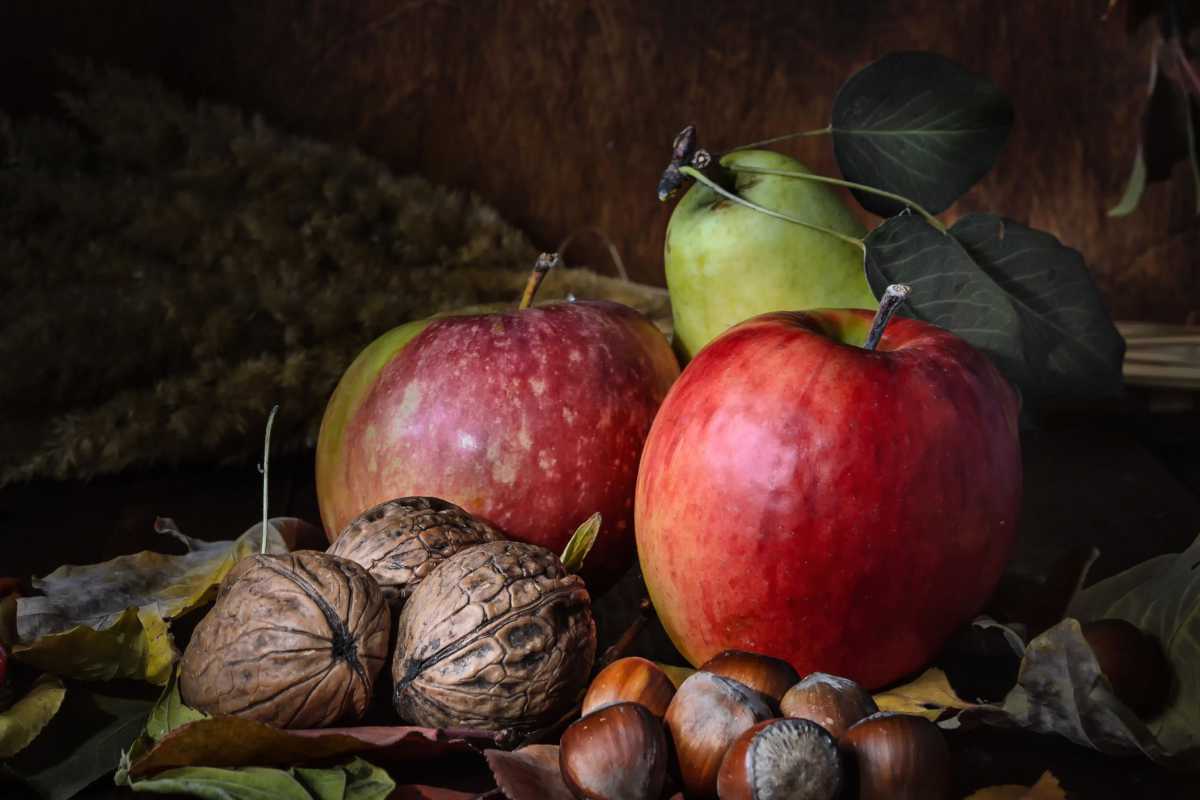
Again, more harvesting with your fruit trees… Grapes, plums, apples, pears are like taking bites of sweet, warm sun and make autumn taste delicious.
The harvest season depends on where you live and how sunny the summer was.
If you’ve planted black and red currant bushes, September is ideal to prune them. Especially, remove branches that are tangled together to give your plants some air.
Pruning is another major chore in this get-back-to-work season. Not only will you need to prune the shrubs that bloom in summer, you’ll also have to trim all your hedges before winter comes along. In autumn, you don’t have to check whether hedge-trimming regulations allow it or not, since birds aren’t nesting anymore.
September is also the time to reflect on the future… Think about what you would like your spring garden to look like, and you can start preparing it immediately, a bit at a time. So if you’re aiming to have a new lush, bright green lawn, now is the time to sow. If not, simply de-thatch the existing one to renew its vigor. This task aims to remove moss and matted grass clippings that tend to accumulate over the years, suffocating the lawn grass and even replacing it entirely.
Flowers, too, require care in September. Perennial that have lost their flowers must be cut short, and it’s also a great time to plant new ones. For other plants, remove wilted flowers regularly.
Lastly, those who have become experts in preparing cuttings can scratch that itch and start snipping away! This is the best season of all. Simply collect a portion of your favored plant and place it soil or water for it to sprout roots.