Knowing when to sow vegetables is one of the keys to a productive vegetable garden. This sowing and harvest calendar covers the main crops, from eggplant and tomatoes started indoors in late winter to spinach and corn salad sown for cool-season harvests.
Because calendar months mean different seasons around the world, the season is the main reference in this guide. Northern and Southern Hemisphere months are also given to make each sowing window easy to follow wherever you garden.
Throughout this guide, think first in terms of late winter, spring, summer and fall. The month equivalents below make it easy to translate the calendar between hemispheres.
| Season | Northern Hemisphere | Southern Hemisphere |
|---|---|---|
| Late winter | February-March | August-September |
| Early spring | March-April | September-October |
| Mid-spring | April-May | October-November |
| Late spring | May-June | November-December |
| Early summer | June-July | December-January |
| Midsummer | July-August | January-February |
| Late summer | August-September | February-March |
| Early fall | September-October | March-April |
| Mid-fall | October-November | April-May |
| Late fall | November-December | May-June |
| Early winter | December-January | June-July |
| Midwinter | January-February | July-August |
Important: these periods are guidelines rather than fixed deadlines. In warm or frost-free climates, some vegetables can be sown earlier or later. In cold climates, wait until soil and air temperatures are suitable.
Read also: protect your seedlings from damping off
This table gives the main sowing, transplanting and harvesting periods by season. More detailed timings for each vegetable follow below.
| Vegetable | Sowing | Transplanting | Harvest |
|---|---|---|---|
| Eggplant | Late winter to mid-spring, indoors | Mid to late spring | Midsummer to mid-fall |
| Red beet | Early spring to midsummer | — | Midsummer to late fall |
| Carrot | Late winter under cover; early spring to midsummer outdoors | — | Early summer to late fall |
| Celery | Late winter to late spring | Mid to late spring | Late summer to mid-fall |
| Cabbage | Late winter to early summer | Mid-spring to midsummer | Early summer through winter, depending on type |
| Cucumber | Early to late spring | Mid to late spring | Early summer to mid-fall |
| Zucchini | Early to late spring | Late spring | Midsummer until first frost |
| Spinach | Late winter to mid-spring or late summer to mid-fall | — | Spring to early summer or fall through spring |
| Fennel | Mid-spring to late summer | Late spring to late summer | Late summer to mid-fall |
| Broad bean | Late winter to mid-spring; fall in mild climates | — | Spring to early summer |
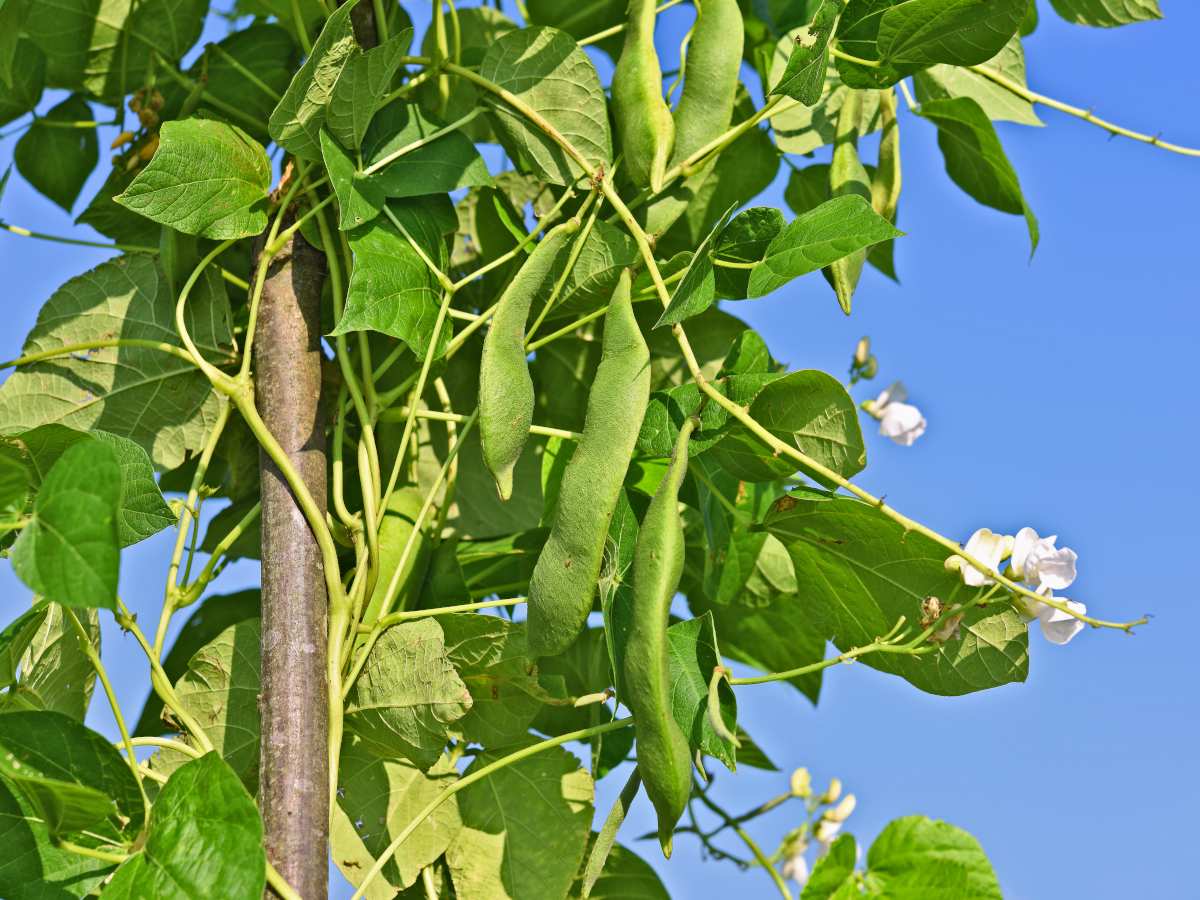
| Beans | Mid-spring to midsummer | — | Early summer to mid-fall |
| Lettuce | Late winter through fall, depending on variety | According to sowing period | Spring through fall; winter types into spring |
| Corn salad | Midsummer to mid-fall | — | Early fall to early spring |
| Melon | Late winter to mid-spring indoors; late spring outdoors | Mid to late spring | Early summer to early fall |
| Turnip | Early to late spring or midsummer to early fall | — | Late spring to late fall |
| Onion | Late winter to mid-spring or late summer | Varies by type | Spring to early fall |
| Sorrel | Early spring to midsummer | — | Early summer to late fall |
| Parsnip | Late winter to early summer | — | Summer onward |
| Leek | Late winter to late spring | Late spring to midsummer | Summer through spring, depending on type |
| Chard | Mid-spring to early summer | — | Midsummer to late fall |
| Peas | Late winter to early summer; fall in mild climates | — | Late spring to early fall |
| Squash | Mid to late spring | Late spring | Early to late fall |
| Radish | Late winter to early fall, depending on type | — | Early spring to late fall |
| Black salsify | Early spring to early summer | — | Mid-fall to early spring |
| White salsify | Early to late spring | — | Mid-fall to early spring |
| New Zealand spinach | Late winter indoors; late spring outdoors | Mid to late spring | Late summer to late fall |
| Tomato | Midwinter to early spring indoors | Late spring, after the last frost | Midsummer to mid-fall |
| Crop | Sow | Transplant | Harvest |
|---|---|---|---|
| Summer, fall and winter cabbage | Late winter to early summer | Mid-spring to midsummer | Early summer through winter |
| Cauliflower | Early spring to early summer | Early to late summer | Midsummer to early winter |
| Winter cauliflower | Late spring | Midsummer | Late winter to late spring |
| Broccoli | Late spring to early summer | Early to late summer | Fall through spring, depending on variety |
| Brussels sprouts | Early to late spring | Late spring to early summer | Mid-fall to late winter |
| Type | Sowing | Harvest |
|---|---|---|
| Bush beans | Mid-spring to late summer | Early summer to mid-fall |
| Pole beans | Mid-spring to midsummer | Early summer to mid-fall |
| Fresh shelling beans | Mid-spring to midsummer | Midsummer to mid-fall |
| Dry beans | Mid-spring to early summer | Early to mid-fall |
Read also: how to grow beans.
| Type | Sowing | Harvest |
|---|---|---|
| Forced lettuce | Late fall to midwinter, under cover | Late winter to late spring |
| Spring lettuce | Late winter to mid-spring | Late spring to early summer |
| Summer lettuce | Mid-spring to early summer | Midsummer to early fall |
| Fall lettuce | Midsummer to late summer | Early to mid-fall |
| Winter lettuce | Late summer to mid-fall | Early to late spring |
| Leaf lettuce | Early spring to mid-fall | Mid-spring to late fall |
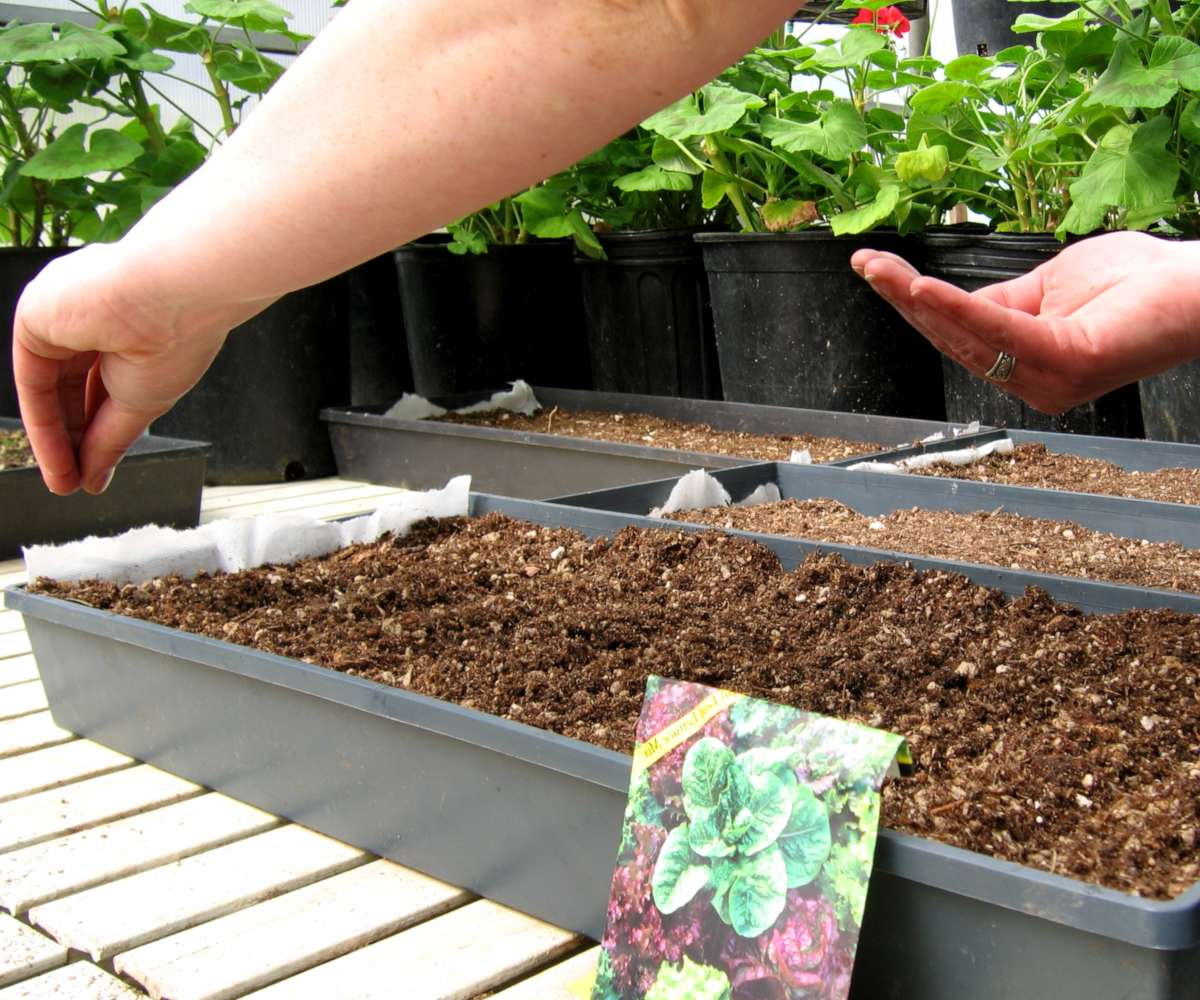
Read also: how to grow lettuce.
| Type | Sowing | Transplanting | Harvest |
|---|---|---|---|
| Summer leek | Late winter to early spring | Late spring | Midsummer to early fall |
| Fall and winter leek | Early to late spring | Late spring to midsummer | Mid-fall to mid-spring |
Read also: how to grow leeks.
| Type | Sowing | Harvest |
|---|---|---|
| Quick-growing radish | Late winter under cover; early spring to early fall outdoors | Early spring to late fall |
| Summer and fall radish | Late spring to late summer | Midsummer to late fall |
| Black or winter radish | Early to late summer | Late fall to early winter |
Read also: how to grow radishes and black radish.
A vegetable calendar is a starting point, not a fixed schedule. Two gardens in the same hemisphere can have very different sowing dates.
Sowing everything on one day can produce more vegetables than you can use at once. For quick-growing crops such as radish, lettuce, spinach and beans, successive sowings can spread the harvest over a much longer period.
Rather than treating the beginning and end of each sowing window as fixed dates, use them as a period during which several smaller sowings can be made.
Yes. The easiest method is to follow the season rather than the month. Late winter in the Northern Hemisphere is still late winter in the Southern Hemisphere; it simply occurs roughly six months later in the calendar year.
As a broad calendar conversion, yes. For example, March corresponds approximately to September and April to October. However, local climate is more important than the mathematical conversion, particularly in tropical, subtropical, Mediterranean or high-altitude regions.
No. Weather, soil temperature and the date of the last frost vary from year to year. Treat each sowing window as a guide and adjust it to the conditions in your garden.
Long-season, warmth-loving vegetables such as tomatoes, eggplants and melons are commonly started indoors before outdoor conditions are warm enough. This gives the plants a head start before transplanting.
Carrots, parsnips, radishes, beans, peas and salsify are among the crops commonly sown directly where they will grow. Root vegetables in particular generally benefit from avoiding unnecessary transplanting.
That depends on the crop. Frost-sensitive vegetables such as tomatoes, zucchini, cucumber and eggplant should normally wait until frost risk has passed and conditions have warmed. Cool-season vegetables can usually be transplanted earlier.
Seasons make the calendar useful in both hemispheres and better reflect what plants actually respond to: temperature, daylight, frost and soil conditions rather than the name of a particular month.
Write down your actual sowing, transplanting and first harvest dates each year. After two or three seasons, your own notes become a local sowing calendar that is often more useful than any generic set of dates.