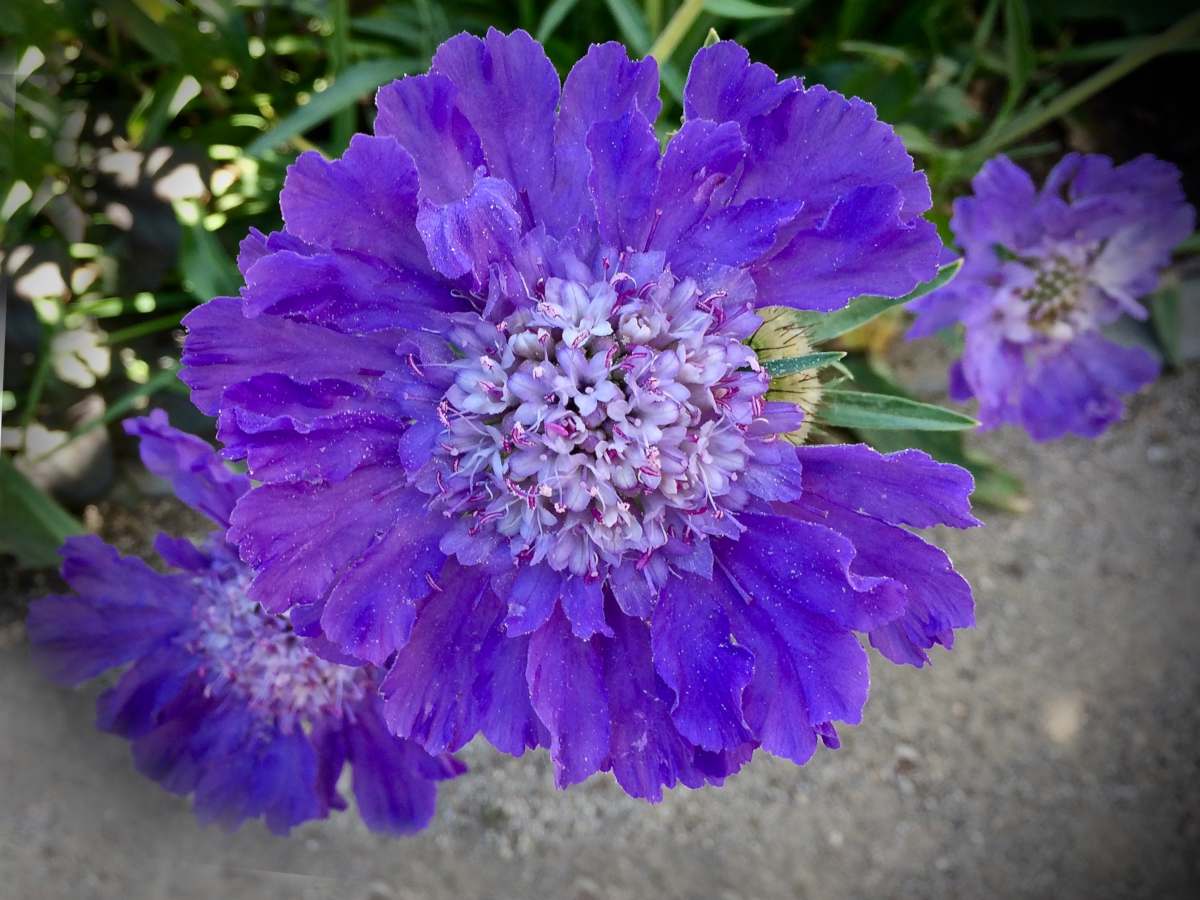
Luminous flowerheads in shades of violet-blue, white or lavender sit above a perennial of 16 to 32 inches (40 to 80 cm): the Caucasian pincushion flower (Scabiosa caucasica) suits beds and edges, and draws butterflies and bees to the vegetable patch. Give it full sun and ordinary, well-drained soil, and its blooming is abundant and durable.
| Name | Scabiosa caucasica |
|---|---|
| Family | Caprifoliaceae (honeysuckle family) |
| Type | Perennial |
| Height | 16 to 32 inches (40 to 80 cm) |
| Exposure | Full sun |
| Soil | Ordinary, well drained |
| Flowering | Late spring to early autumn |
Scabiosa caucasica used to help treat scabies and its scientific Latin name comes from that usage.
Spring is the recommended planting season for the pincushion flower. Keep a space of about 12 inches (30 cm) between specimens.
If you’d rather proceed to sow pincushion flower from seed, start in March or April under cover to protect it from the last frost spells.
Everything Scabiosa caucasica asks for falls into a handful of simple jobs spread across the year. Use the table to see at a glance which one is due.
| Task | When | Where / how | Key detail |
|---|---|---|---|
| Planting young plants | Spring | In the sun, in ordinary well-drained soil | Space specimens about 12 inches (30 cm) apart |
| Sowing from seed | Early to mid-spring | Under cover, in light and well drained soil mix | Shelters seedlings from the last frost spells |
| Transplanting seedlings | Late spring | Out into the ground | Only once the last frosts are past |
| Deadheading | Late spring to early autumn | Snip off wilted flowers as they fade | Boosts flower-bearing |
| Watering | Summer | At the base of the plant | Regular but moderate |
| Mulching | Autumn, once growth has wilted away | A fair pile of dried leaves at each stem base | Protects from cold and winter frost spells |
With those few gestures, this Scabiosa really does look after itself.
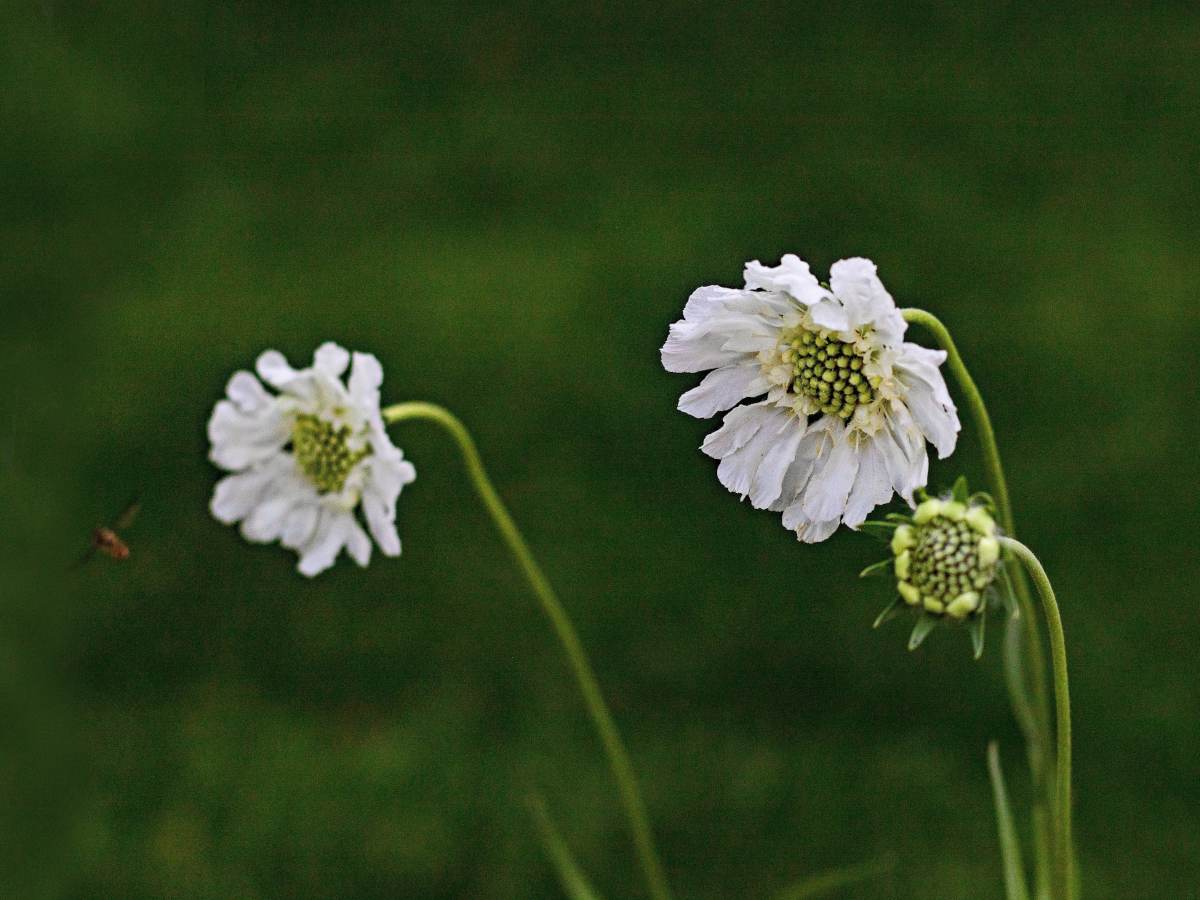
An easy plant to care for, this Scabiosa doesn’t require much attention.
Remove wilted flowers regularly (deadheading) in order to boost flower-bearing.
In fall, once leaves and flowers have wilted away, mulch the base of each stem with a fair pile of dried leaves to protect them from the cold and winter frost spells.
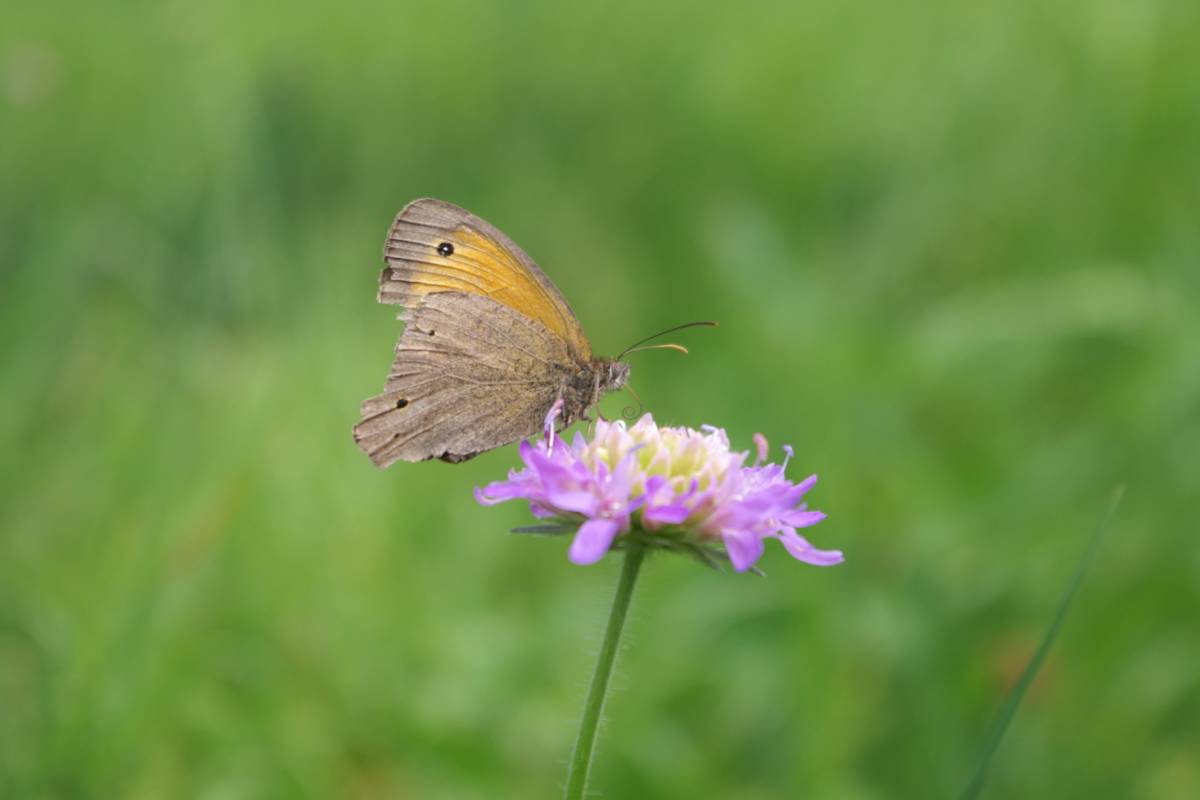
This very cute perennial begets interesting and luminous flowers in shades of violet-blue, white or lavender.
In beds, along edges, it will thrive without requiring any care at all.
You should go for regular but moderate watering over the summer season.
Lastly, note that pincushion flowers are great additions to your vegetable patch, since they’ll attract important beneficial insects such as butterflies and bees.
Adding special organic “flower plant” fertilizer in spring can boost the blooming.