Red bells dangling through summer, white scented umbels, ivy leaves marked with cream and yellow: shade need not mean a bare wall. These climbers dress trellis, pergolas, wire fences and walls, and the one thing that decides success is matching each plant to its spot, since some accept full shade while others want only part shade.
To learn more, read:
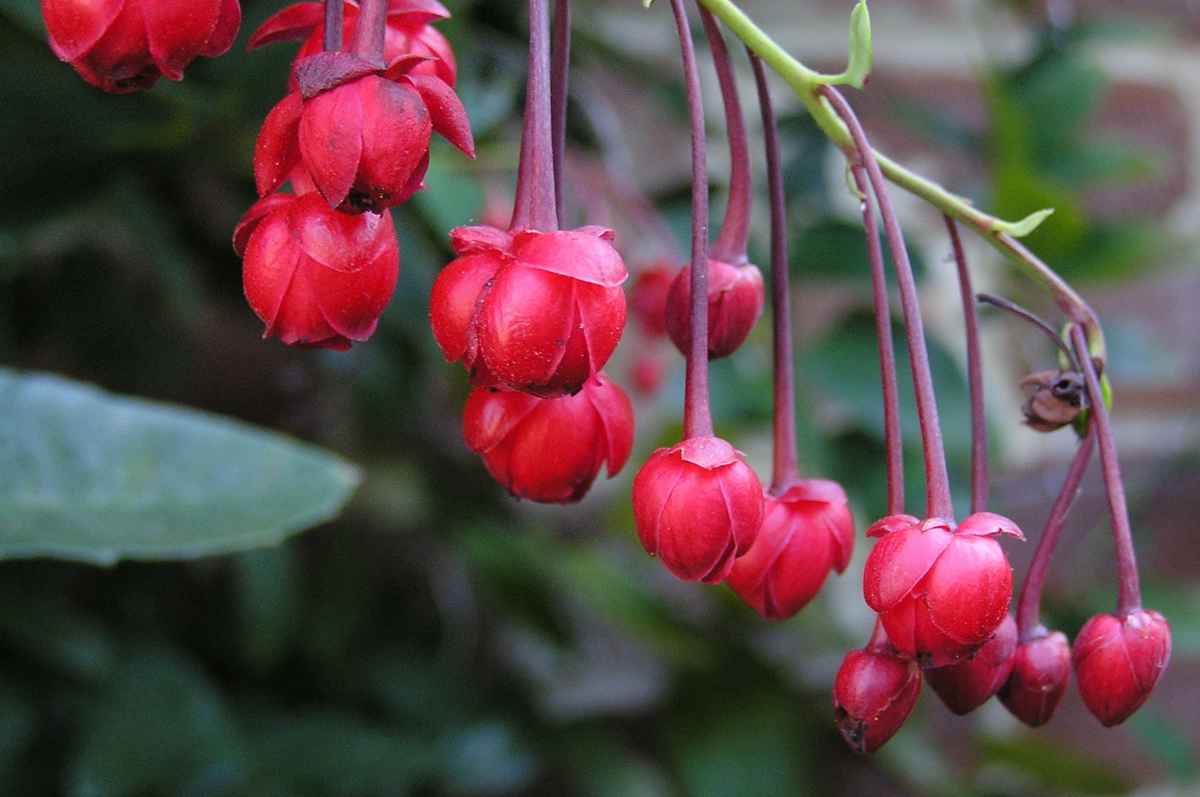
Appeal:
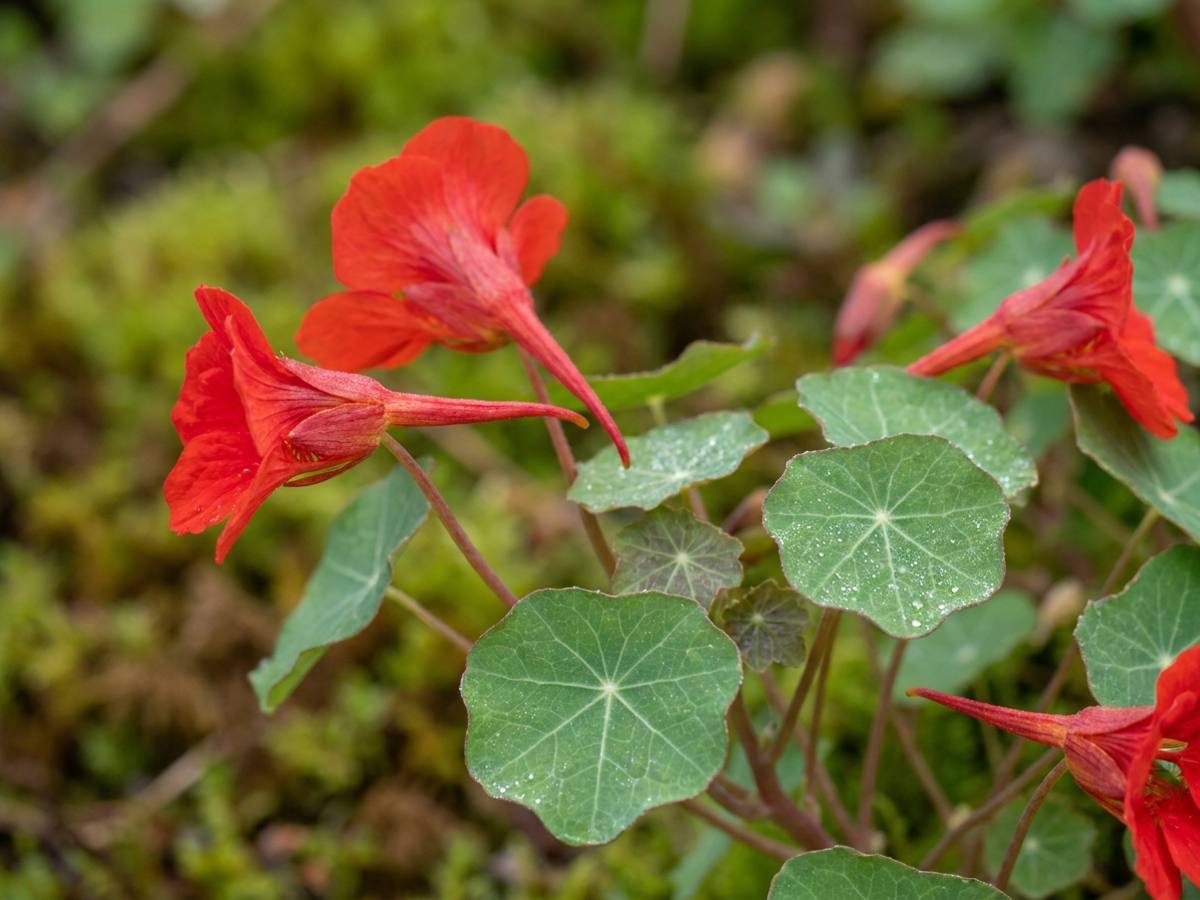
evergreen lanceolate foliage, thick and deep green, paired with surprising unique flowers. Small red bells hang down from above all summer long.
Mulch the base with leaf mould or composted bark to keep the roots cool and damp, and top it up as it rots down.
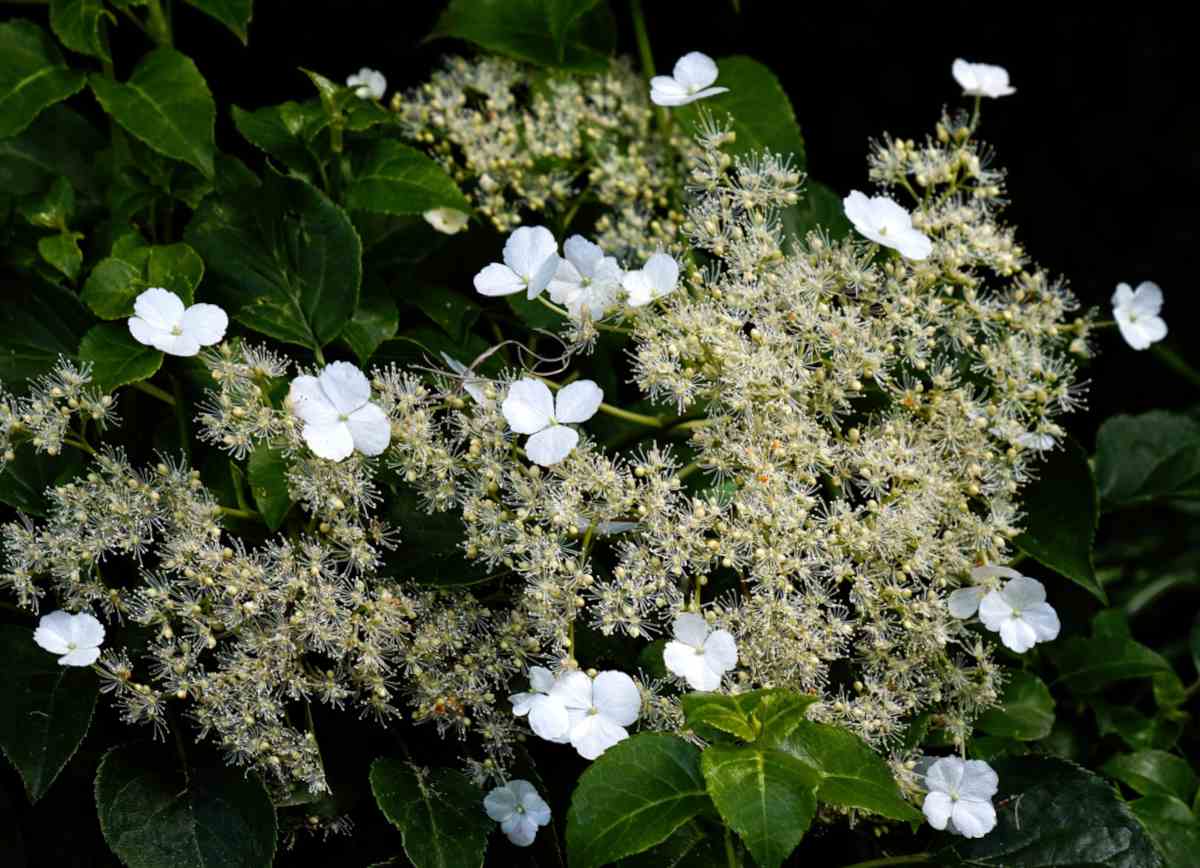
Appeal:
its large, light green leaves that shift to yellow hues in fall. In summer, large white, vapor-wave umbels release a delicate fragrance.
Climbing hydrangea clings by itself with aerial rootlets, so it needs no wires or trellis on a sound masonry wall.
For self-clinging root-climbers such as ivy or climbing hydrangea, tie young shoots loosely to the wall until their aerial rootlets grip; twining climbers instead need wires, trellis or other permanent support.
Be patient: some climbing vines, such as wisteria and climbing hydrangea, spend their first few years building roots and stems, and begin flowering only once they are well established.
Keep it off painted render and crumbling mortar, since the clinging rootlets leave marks and worm into weak joints.
All of the vines described below cope with less than full sun, but they differ sharply in when they flower, how cold they take and how deep a shade they accept. Use this table to shortlist one or two before reading the individual entries.
| Vine | Flowering | Hardy to | Exposure | Main draw |
|---|---|---|---|---|
| Berberidopsis corallina (coral plant) | midsummer to mid-autumn | 14°F (-10°C) | part shade | Hanging red bells, evergreen leaves |
| Hydrangea petiolaris (climbing hydrangea) | early summer to midsummer | -4°F (-20°C) | part shade to full shade | Fragrant white umbels, yellow autumn leaves |
| Hedera helix (ivy) | early to mid-autumn | -4°F (-20°C) | part shade to shade | Many leaf types, plain or variegated |
| Lonicera japonica (Japanese honeysuckle) | midsummer to early autumn | -4°F (-20°C) | part shade | Very fragrant tubular flowers |
| Akebia quinata (chocolate vine) | mid-spring to late spring | 5°F (-15°C) | sun to part sun | Violet-red flowers, small purple berries |
| Parthenocissus quinquefolia ‘Engelmannii’ | midsummer to late summer | -4°F (-20°C) | sun, part sun, shade | Fiery red autumn foliage |
| Kadsura japonica ‘Fukurin’ | early summer to late summer | 14°F (-10°C) | part shade to shade | Green and white evergreen leaves, red berries |
| Fuchsia Lady ‘Boothby’ | midsummer to early autumn | 14°F (-10°C) | part shade | Double pink and violet ballerina flowers |
Note how far the hardiness figures spread: the least hardy of these vines are the ones worth growing in a movable pot if your winters are cold.
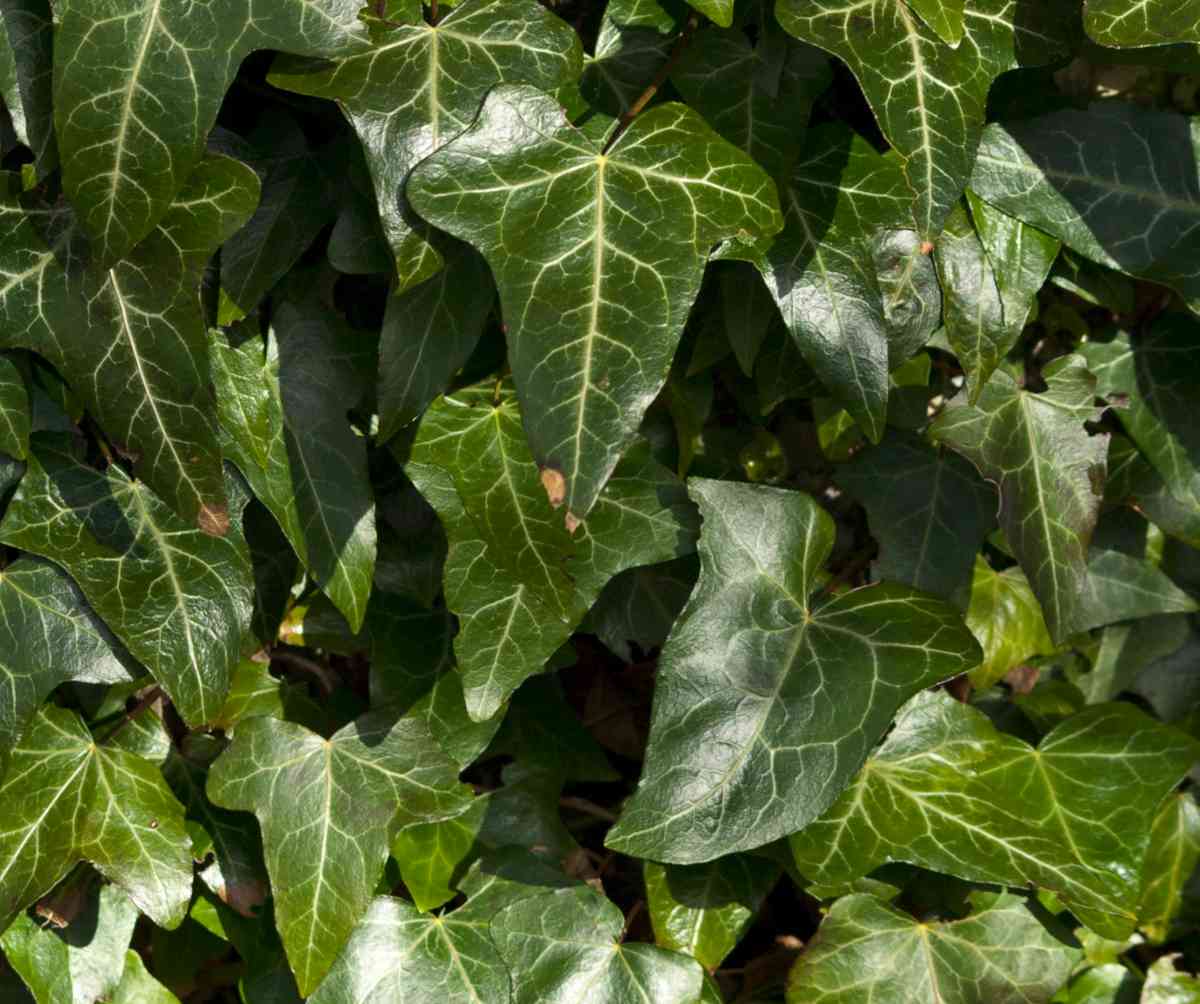
Appeal:
there are a great many ivy varieties, which gives you a broad panel of leaf types to choose from. Some are dark green, others are variegated with yellow or cream-colors spots. Leaves usually number 3-5 lobes, some are whole.
Variegated forms hold their cream and yellow markings in part shade but drift back towards plain green in deep shade.
Ivy berries are toxic if eaten, and the sap can irritate skin, so wear gloves when pruning.
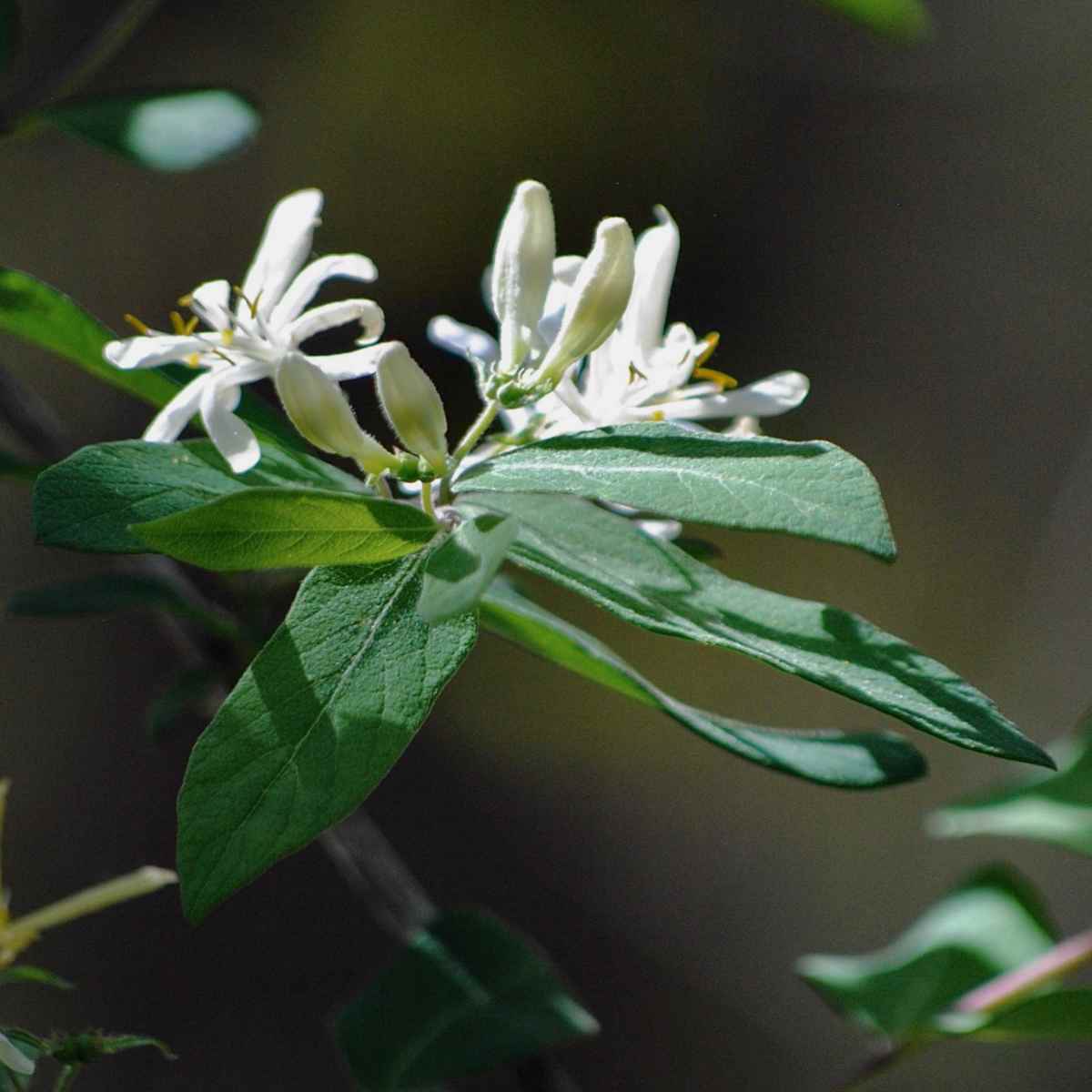
Appeal:
very fragrant, japanese honeysuckle are tube-shaped with long stamens. Depending on the variety, blooms are yellow, orange, white or pink. Oval, tender green leaves will survive winter if it isn’t too harsh.
Japanese honeysuckle climbs by twining, so give it wires, mesh or a slim trellis its shoots can wrap around rather than a flat wall.
Some shade-tolerant vines are grown for scent, and several fragrant kinds release their strongest perfume in the evening, so if you choose one of these, train it near a doorway or window.
Appeal:
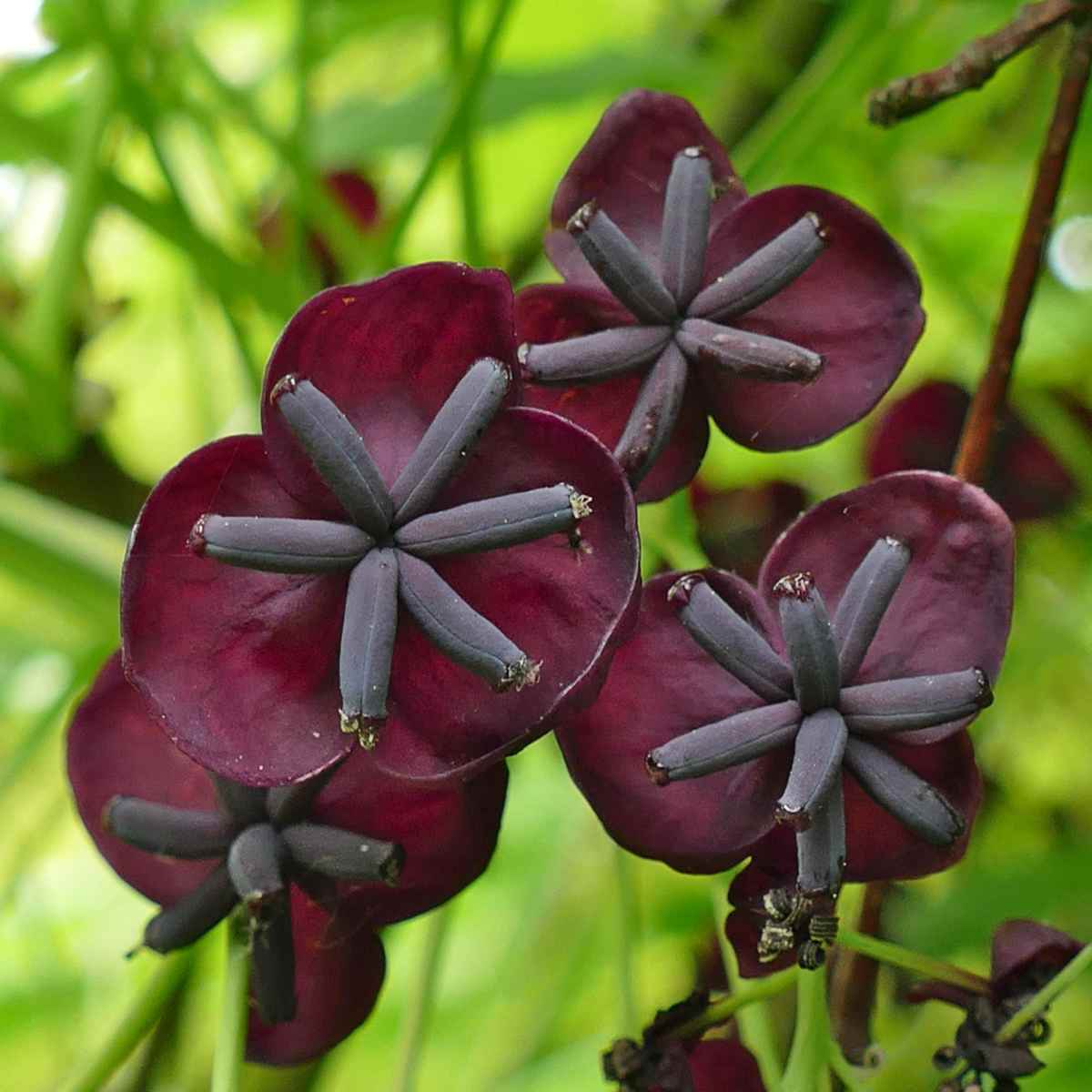
this species has a unique combination: golden yellow leaves that pair well with violet-red flowers. It bears both male and female flowers on the same stem, and can produce fruits over the summer: small purple berries.
Akebia quinata, the chocolate vine, bears spring flowers widely described as faintly vanilla- or chocolate-scented, so it is worth training the vine near a door, bench or window you actually open.
Appeal:
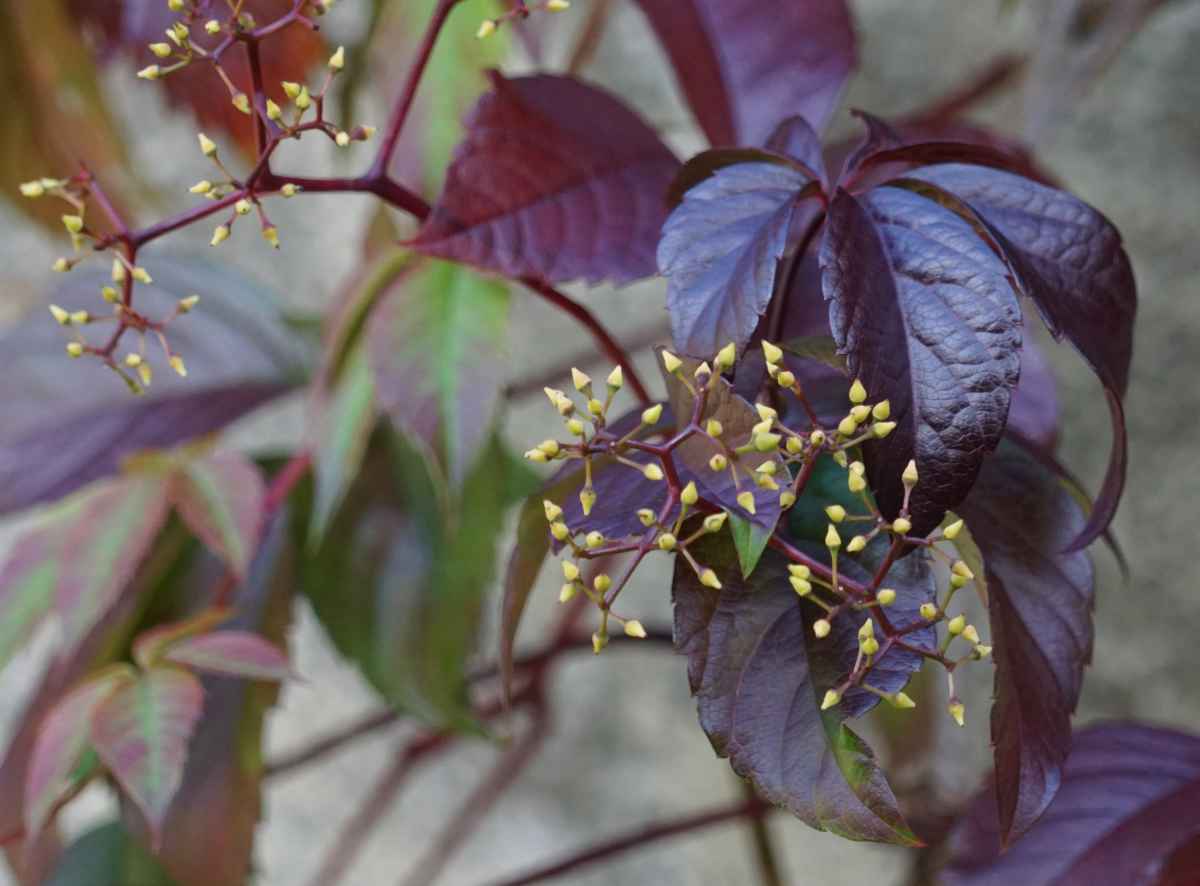
this is an original choice, what with the large, five-fingered leaves that this creeper vine displays. Leaves have marked veins, serrated edges, and the lush green turns into fiery red hues in fall.
Virginia creeper climbs unaided, gripping brick and stone with tiny adhesive pads, so it needs no trellis or wires.
The adhesive pads stay stuck when a stem is torn away and will mar render or paintwork, so save this vine for sound masonry.
Ornamental appeal:
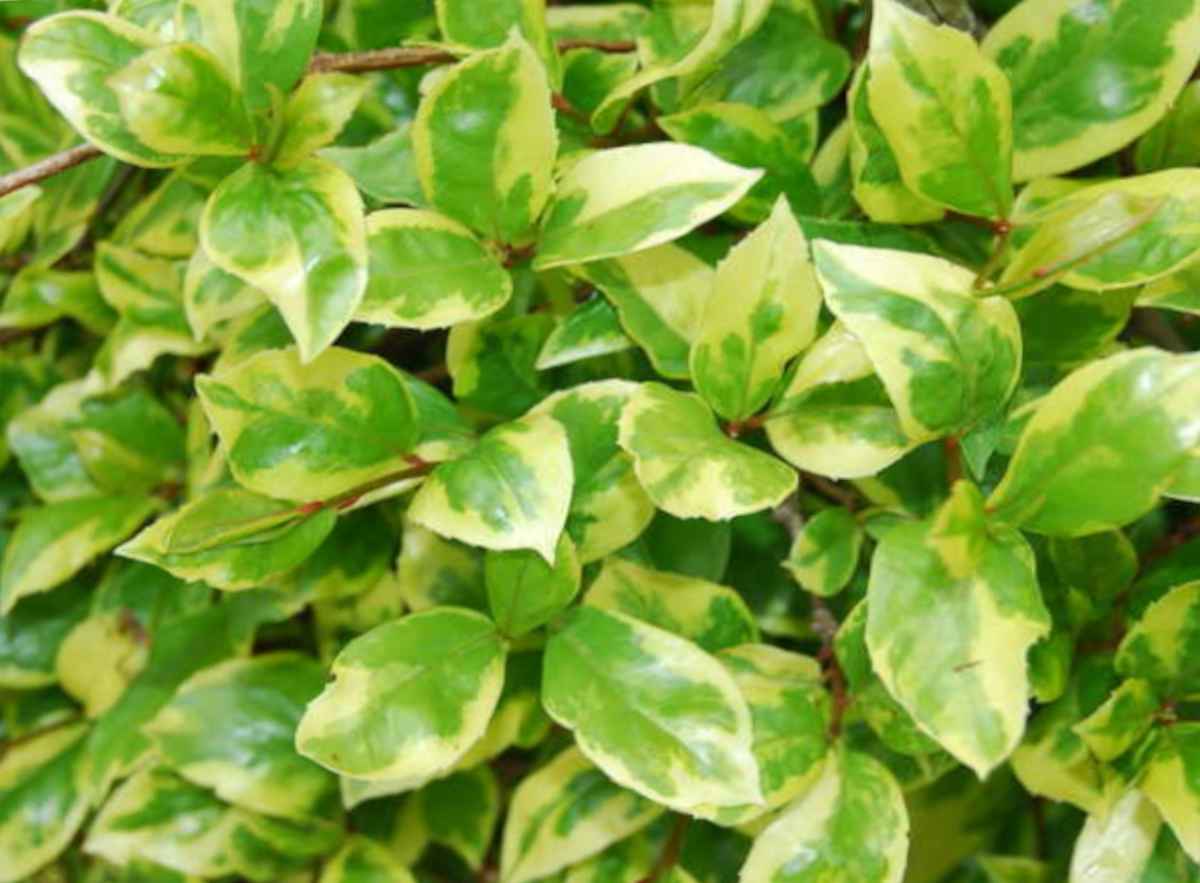
what makes this climbing vine one-of-a-kind is its variegated foliage. With a mix of green and white, it doubles as a beautiful evergreen. Not so amazing are its small cream-white flowers, but they’re deliciously scented. They mature into small, bright red berries.
Shade-tolerant climbers vary: twining kinds such as honeysuckle need wires, a trellis or other open framework to wind around, while self-clinging types like ivy can attach directly to a bare wall.
Since these shade climbers differ widely in hardiness, check each species’ rating: any that are not reliably hardy where you live can be grown in large, movable pots and overwintered under cover.
Appeal:
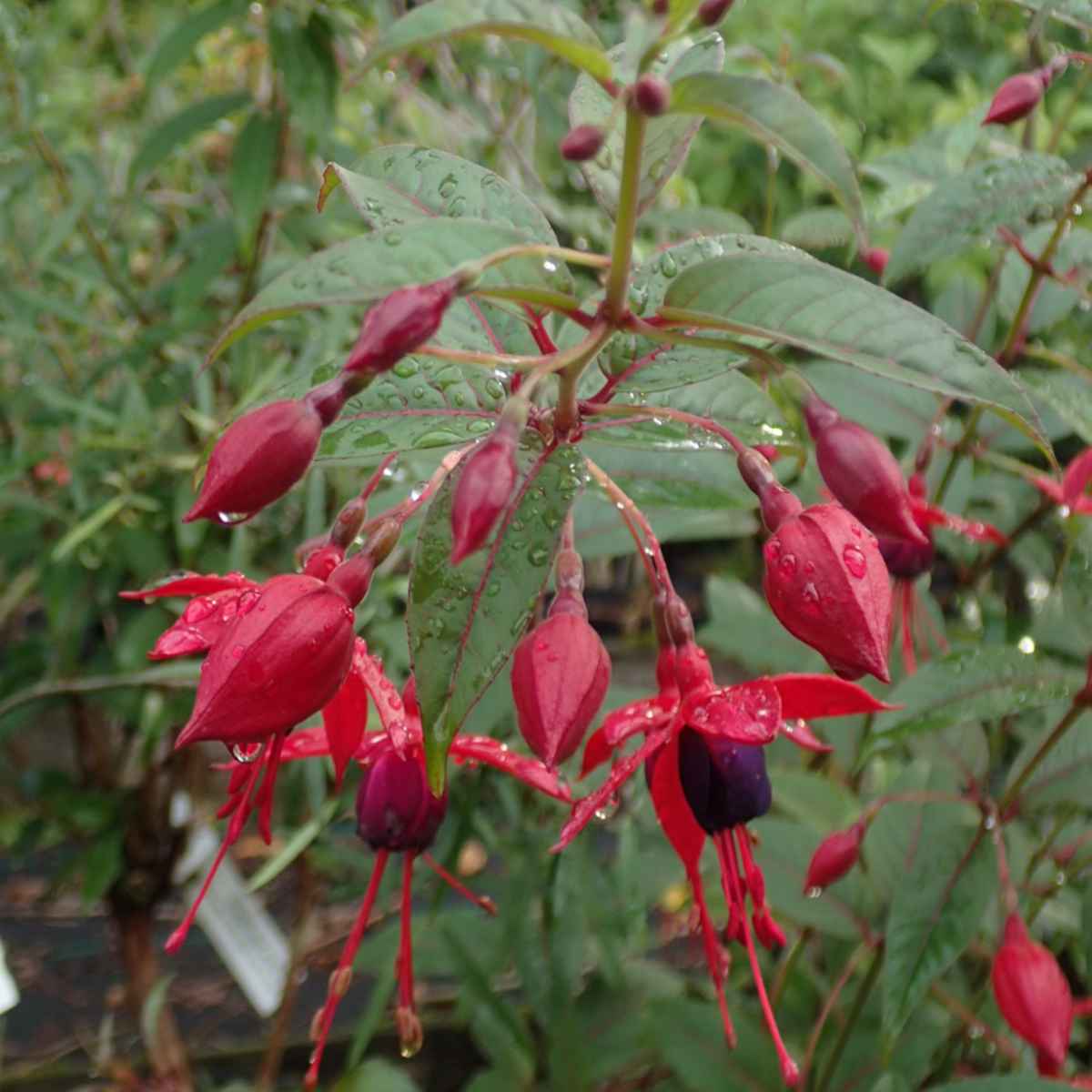
this particular fuchsia variety won’t go unnoticed with its bright pink and violet double flowers. Each cute, ballerina-like bloom is about 2 inches across (5 cm). Leaves are ovate, tender green, and fall to the ground in winter.
→ Yet more options: fragrant clematis
To learn more, read: