Cuttings is the best way to reproduce and clone your favorite plants.
Starting in July, you can start practicing the art of multiplying plants.
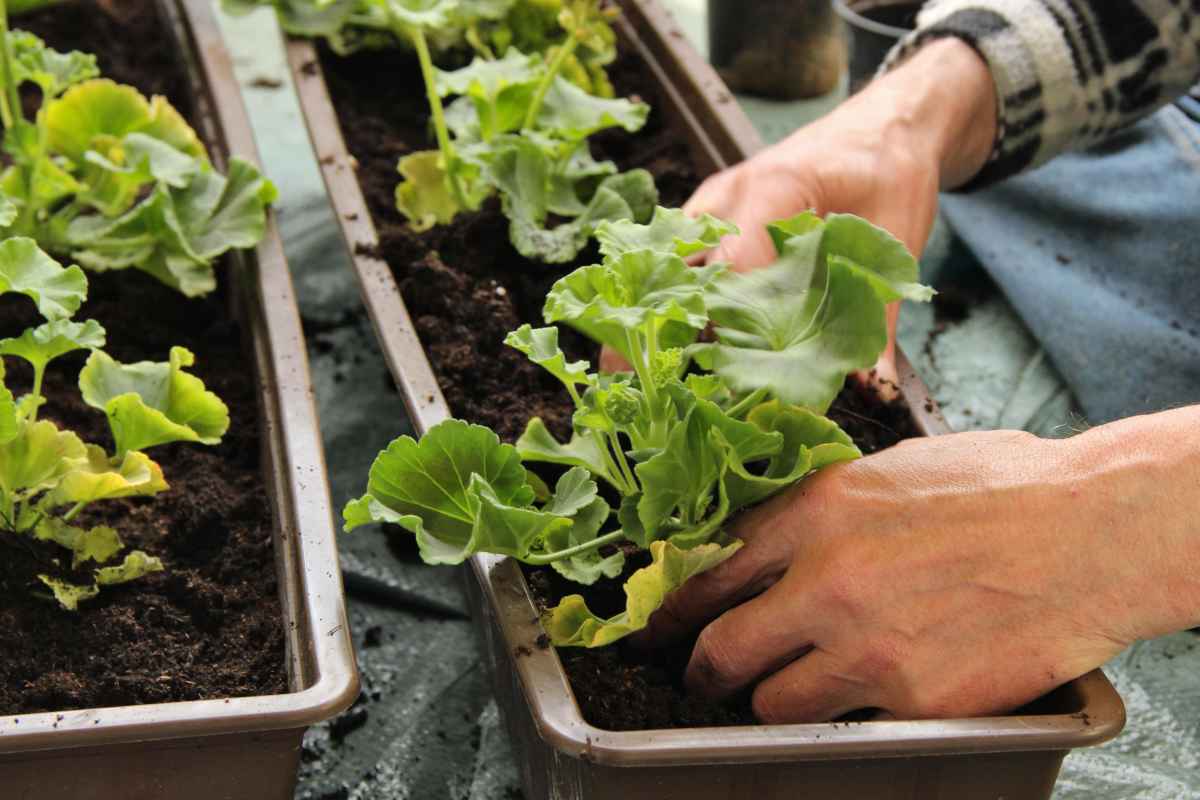
Geranium and storksbill are among the plants that are easy to make cuttings from. They’re perfect for beginners. Select short cuttings or stems, from among the new buds of the year when they’ve already grown 1¼ to 1½ inches (3 to 4 cm) long. Place them against the inner wall of the terra cotta pots your plants are growing in. This method ensures proper regrowth, because drainage is ensured as it is for the mother plant.
Transplant your cuttings to a new pot as soon as they’ve produced roots, and remember to protect them from from freezing this coming winter. You’ll enjoy them next summer!
If your friends are envious of your bushy tree mallow, prepare cuttings for them! Once the first heavy blooming is over, your plant will start producing side shoots. Collect them as soon as they reach 1 ½ to 2 inches (4 to 5 cm). Remove the terminal buds and transplant them, either directly in the ground if it is light soil, or against the inner wall of terra cotta pots. Within two months, the cuttings are ready to be transplanted to the garden.
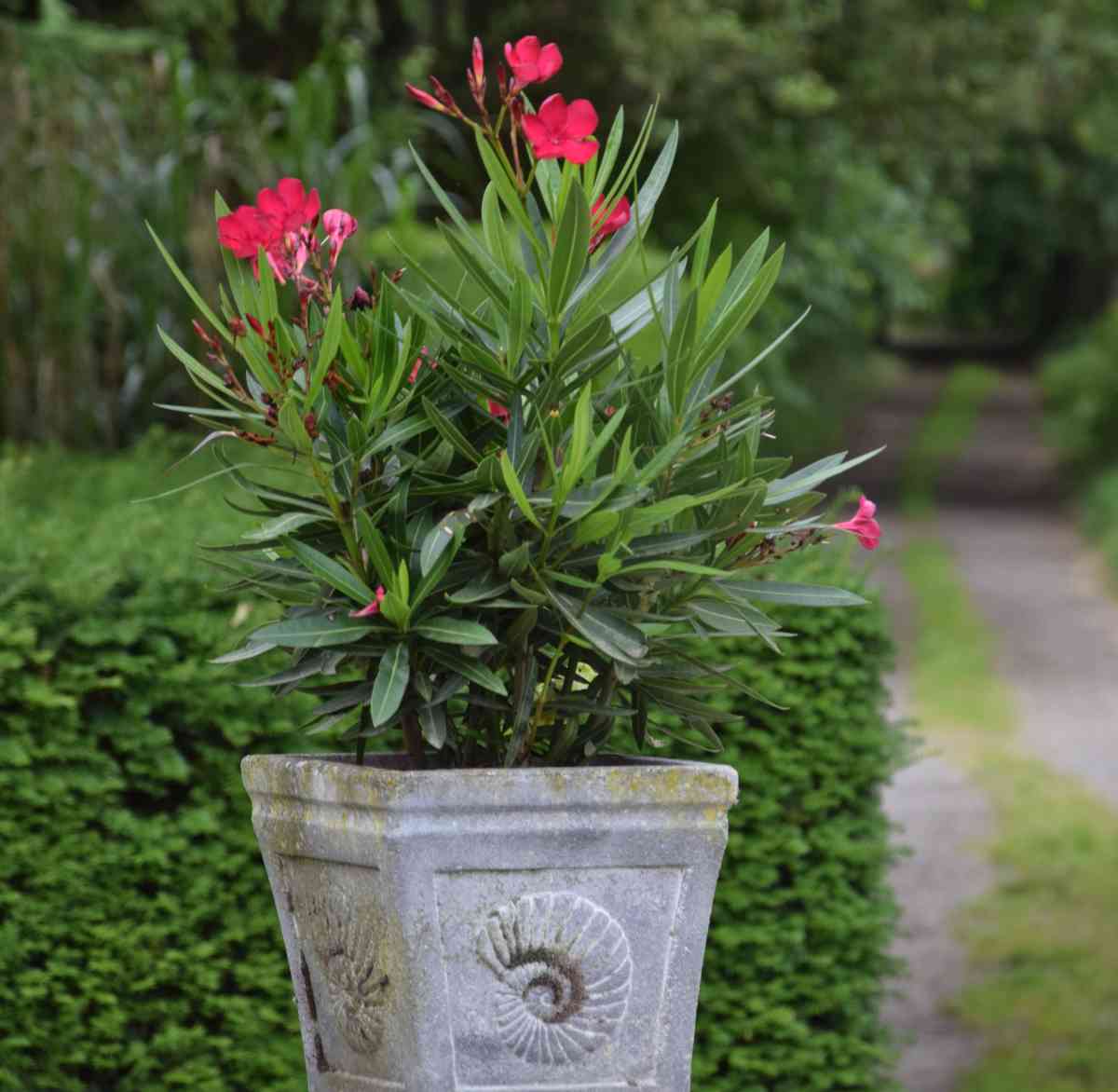 You can also share your oleander. Snip off young side shoots and slit their base lengthwise. Fill a container with water and a lump of wood charcoal to keep the water pure. Cover the container with a plastic wrap. Stick the cuttings through the plastic wrap, just enough so that the tips don’t yet touch the bottom. Set the container in the shade. Root development takes about two months. Transplant when ready in a pot with rich compost.
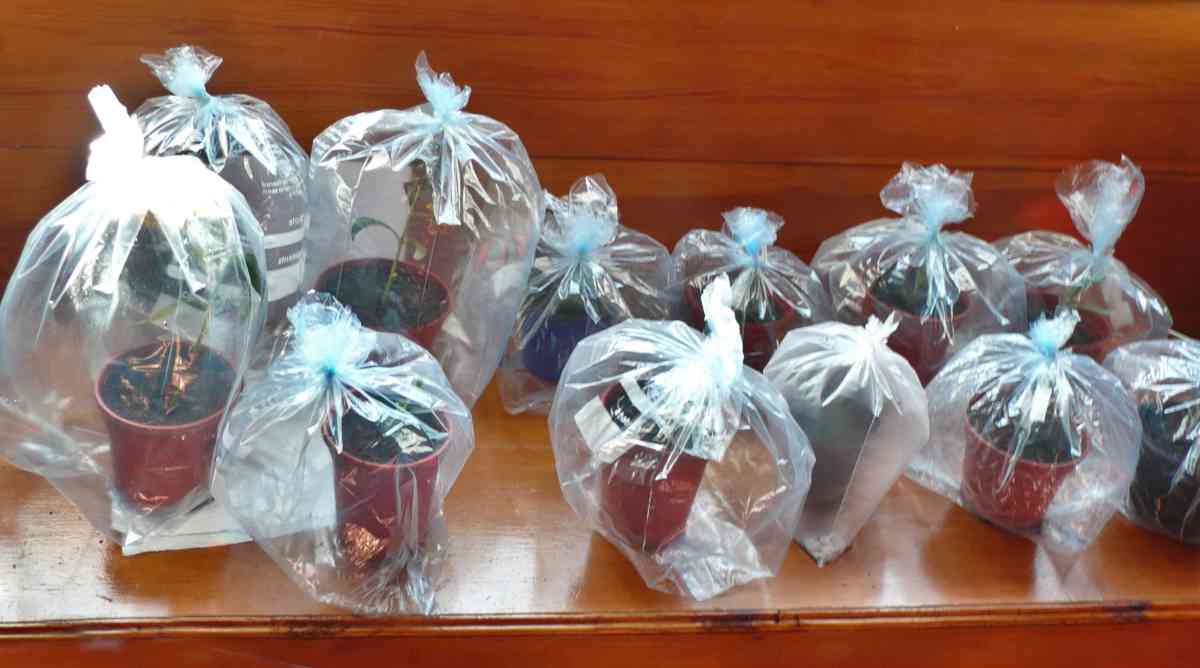
Once you’ve got your first trophy cuttings, at the end of summer, you can start dabbling with preparing rose tree cuttings. Select healthy rose trees. As soon as the new shoots of the year have started to be quite firm at their base, select 2 to 3 inch (6 to 8 cm) cuttings with a bulge towards the bottom from sprigs that don’t have any flowers. Remove part of the leaf clusters. Slide the cuttings in a draining substrate prepared from sand and soil mix (equal parts). Water a bit. Cover the pot with a clear plastic pouch to lock moisture in, and set it in a shaded spot of the garden. Root development will take at least six weeks. Repot your cuttings and keep them from freezing in a cold frame. Transplant to the ground in the following spring.
M.-C. H.