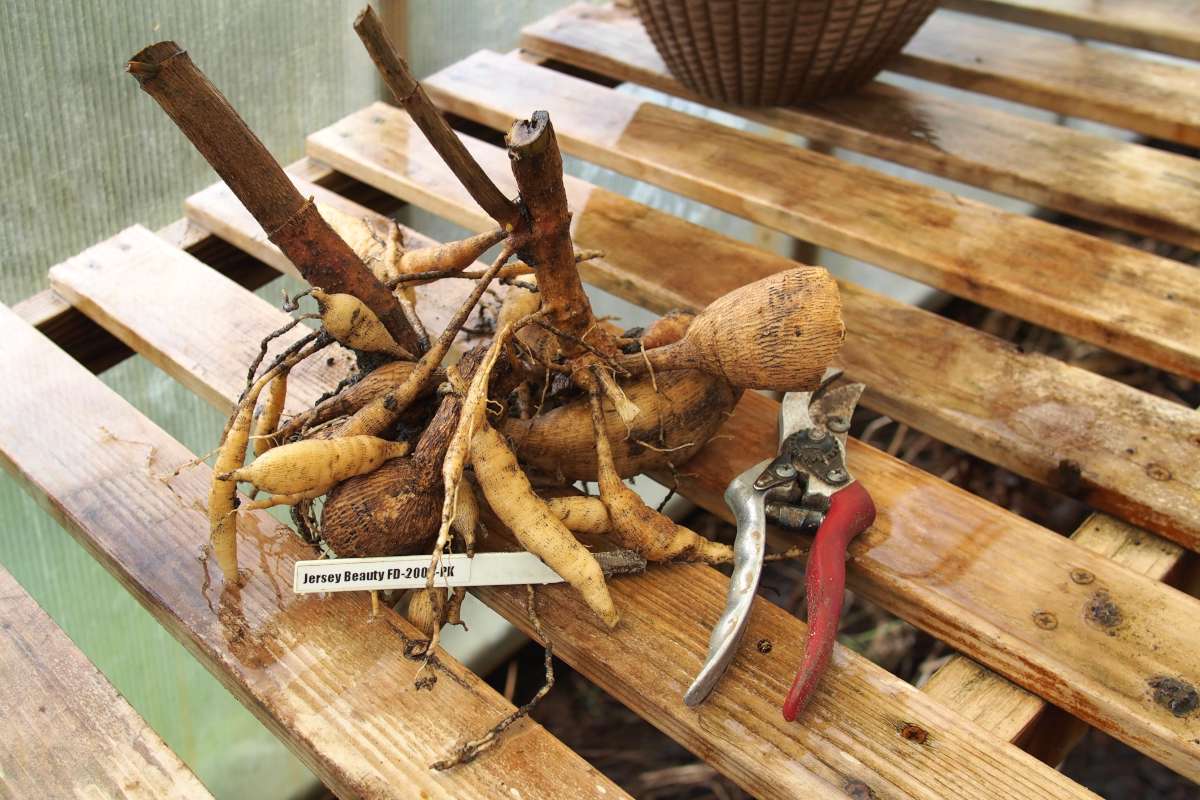
Iris clumps that have spread too far, peony stumps too crowded to flower, garden pinks weakening three years after planting: perennials tire. Lift them, slice each clump into pieces keeping four or five roots and three or four buds, then replant in open, sunlit, loosened ground — the reward is renewed vigour and spare plants to give away.
Read also:
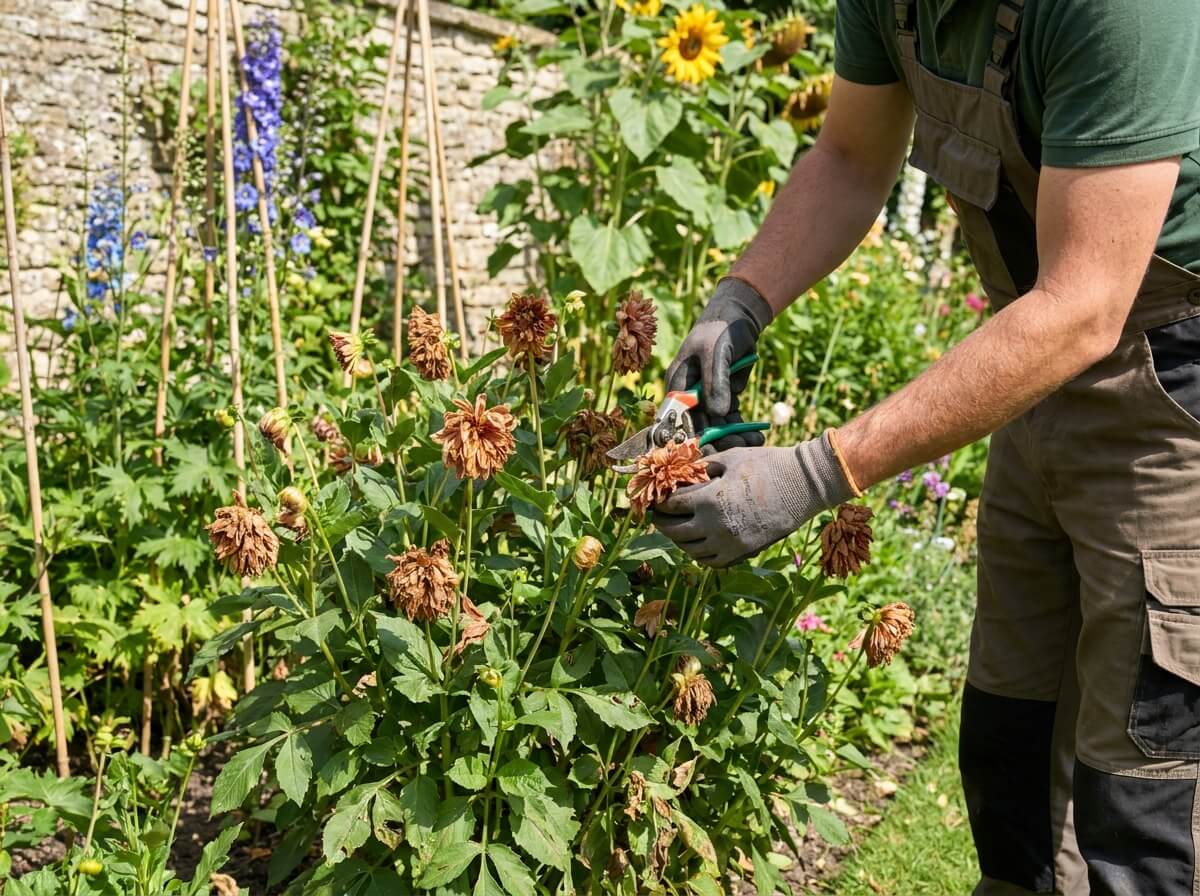
To boost flower-bearing for your dahlia until fall, remove wilted flowers regularly (deadheading). You can also let several buds mature so you can collect seeds that can be sowed in the following spring.
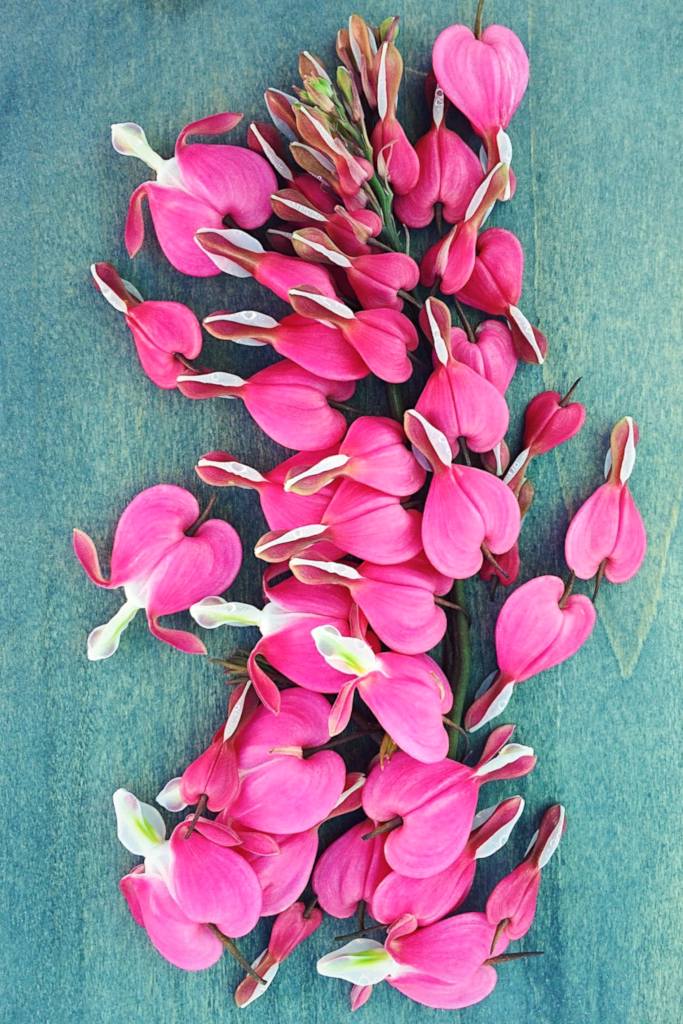
Cut bleeding heart back at the beginning of August so that a second remarkable wave of flowers can bloom at the end of summer.
Each of these old favourites asks for a different treatment: some are cut back, others lifted and split. Use the table to see at a glance what each plant needs and when.
| Plant | Rejuvenation method | When | Key detail |
|---|---|---|---|
| Dahlia | Deadhead to keep flowering, then let a few buds ripen and save the seed | Deadhead through summer to autumn; sow the saved seed the following spring | Seedlings give unique single-flowered varieties of your own |
| Bleeding heart | Hard cut-back of all stems with a hedge trimmer | Late summer, for a second wave at the end of summer | Cut to 4 inches (10 cm) above soil level and keep the ground cool in full sun |
| Iris | Lift the rhizomes and whittle the strongest ones apart with a sickle | Four years after planting, early enough for roots to form before winter | Replant in a circle, 12 to 16 inches (30 to 40 cm) apart, then water in |
| Peony | Lift with a spading fork and slice the stumps with a sharpened blade | Water abundantly the day before if the soil is dry, then divide | Keep four or five good roots and three or four buds on every piece |
| Garden pink and perennial carnation | Slide a small pitchfork under the roots and pull the stump apart by hand | At the end of flowering, late spring to midsummer | Replant the bunches at 10 inch (25 cm) intervals, leaves and roots on each |
Whichever plant you start with, the pieces you do not need make welcome gifts.
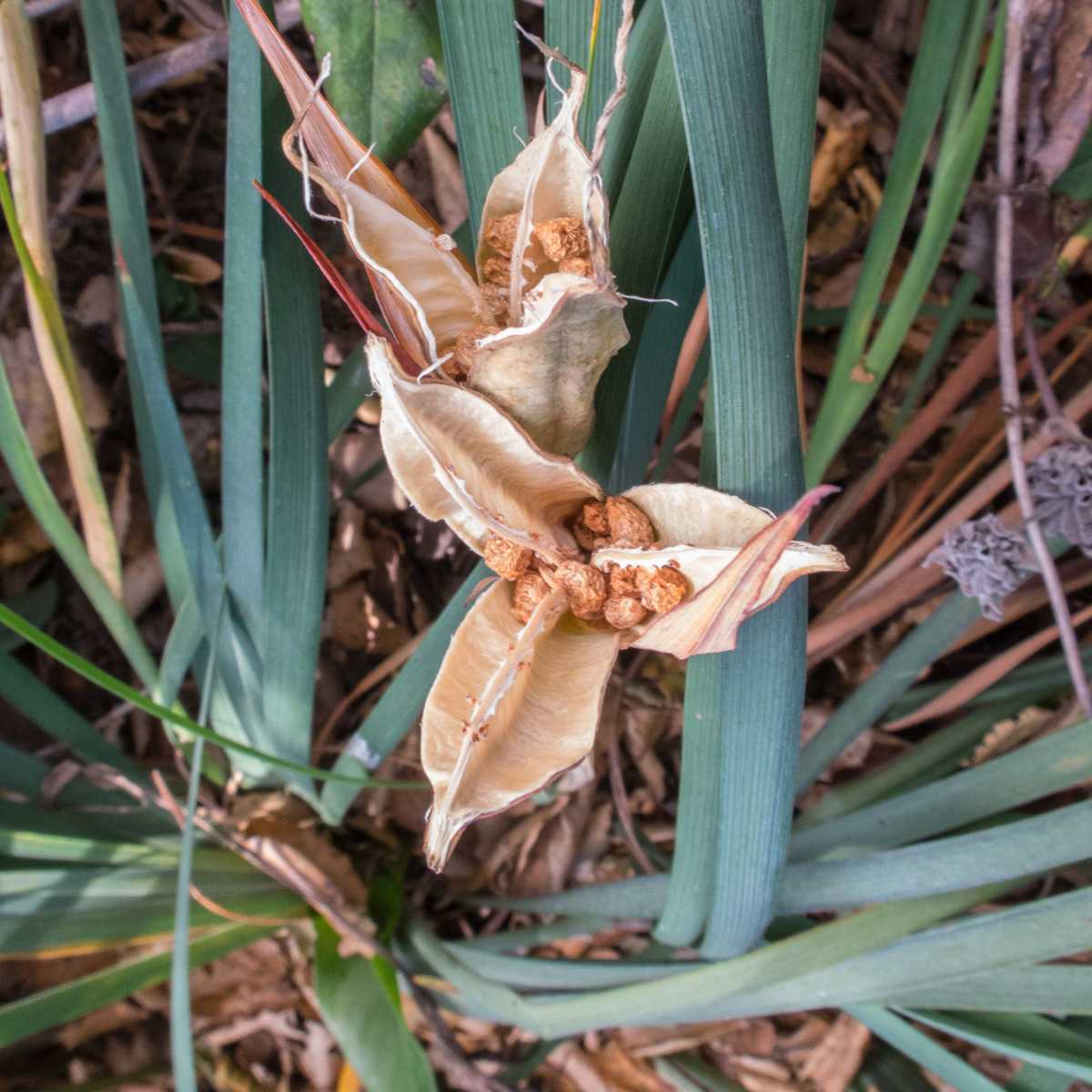
Four years after planting, your bunches of iris have grown and must be divided!
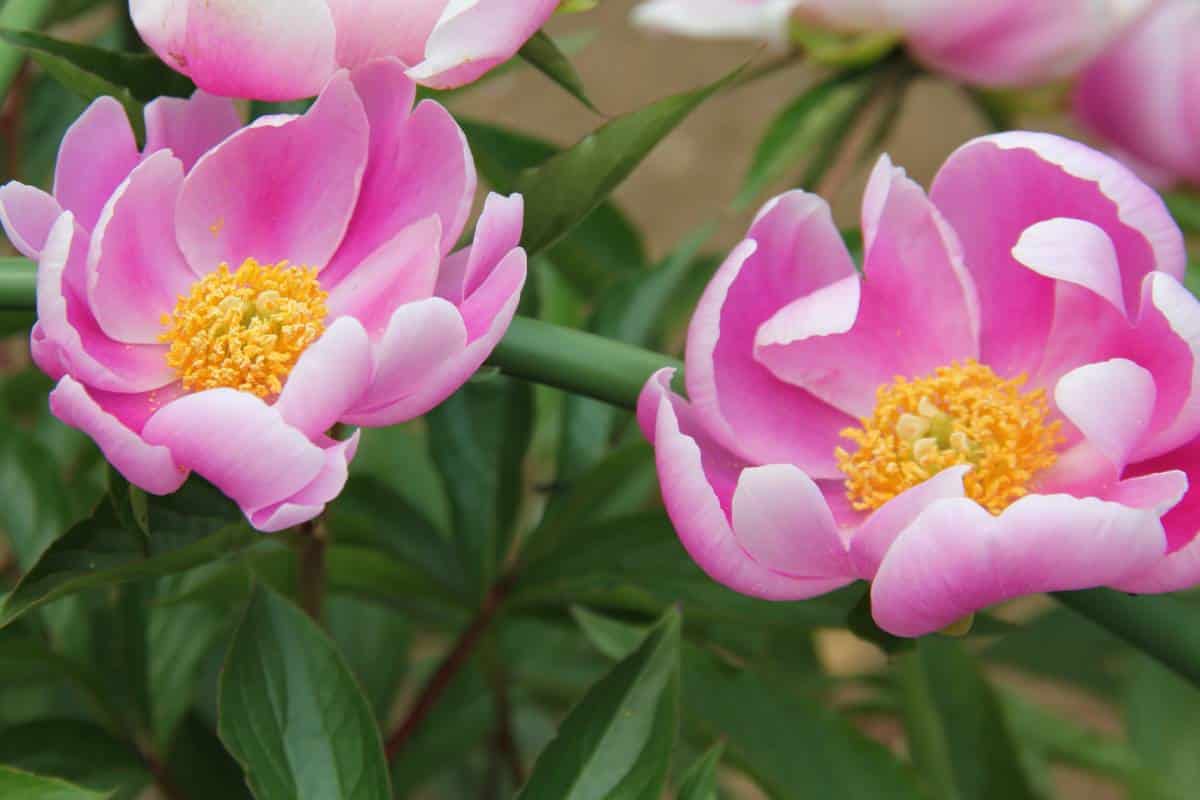
Peony is harder to unearth. Water abundantly the day before if the soil is too dry.
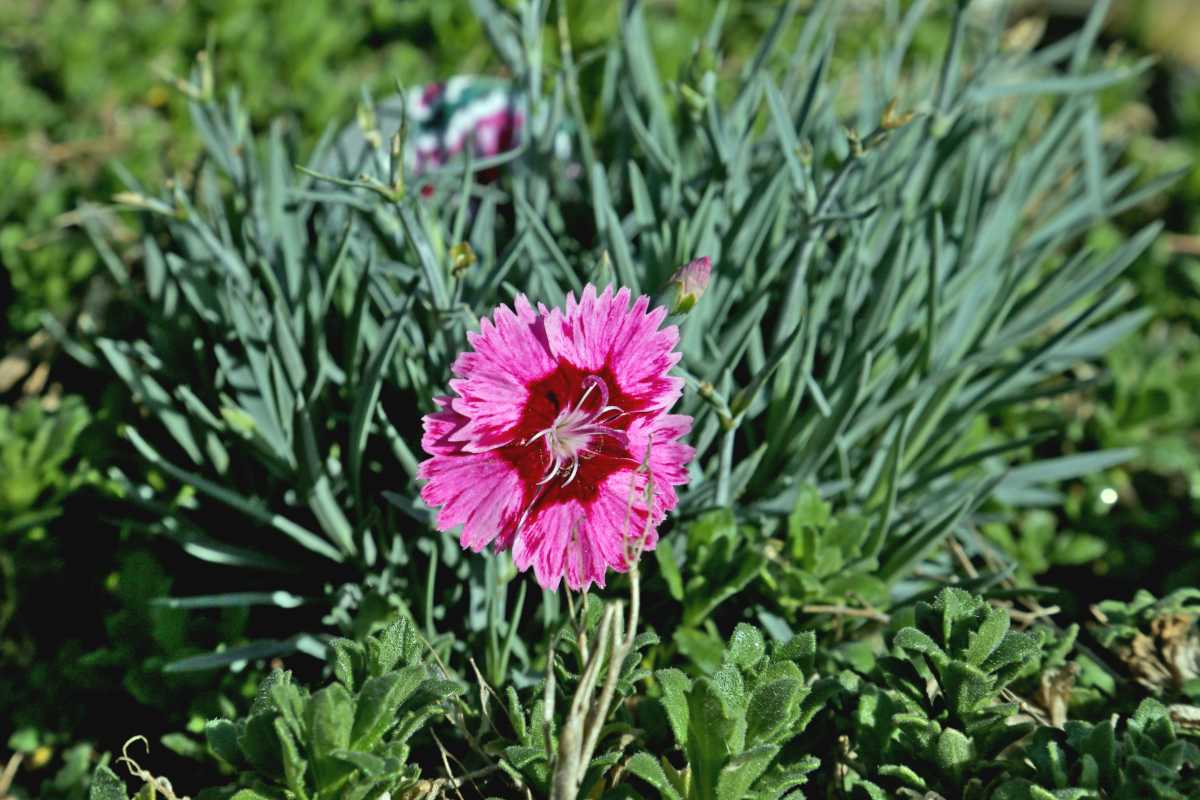
Generally, perennial carnation loses vigor rather quickly, and its blooming starts weakening as soon as three years after planting.
Dwarf garden pink must be divided at the end of the blooming season, which is from May to July.
M.-C. H. with minor edits by Gaspard Lorthiois