A cone-tipped planter for young sprouts, a three-toothed cultivator, a corkscrew that twists weeds out by the taproot: a handful of small hand tools covers most of the work in flower beds, vegetable patches, boxes and pots. Choose strong, heavy-duty ones and look after them, and they will outlast anything cheaper.
Let us take a look at a few basic gardening tools.
Most of the small tools a gardener reaches for are told apart by the shape of their working end. This table sums up what each one looks like and the job it does best.
| Tool | Shape or distinguishing feature | What it does best |
|---|---|---|
| Planter | Cone-shaped tip | Digging holes to plant young sprouts, bulbs with the automatic version |
| Transplanter | Small shovel | Planting holes, breaking up the soil surface, filling boxes and pots |
| Garden knife | Blade of various shapes, billhook or curved weeding type | Snipping flowers and thin twigs, taking cuttings, unearthing weed roots |
| Hand hula hoe | Metal hoop | Cleaning and breaking up soil between closely spaced plants |
| Hand hoe | Rectangular blade | Aerating the soil and removing weeds |
| Cultivator | Three teeth | Weeding and breaking the soil up along the surface of flower beds |
| Drill hoe or triangle hoe | Blade on one side, fork on the other | Weeding, breaking the crust of earth and tracing furrows |
| Screw root puller | Corkscrew | Twisting deep-rooted weeds out by the taproot, chemical-free |
| Asparagus knife | Very long rod with a sharp, flat tip | Cutting asparagus spears clean, also weeds and bamboo roots |
Each of these is described in more detail below.
The tip of this tool resembles a cone, and it helps dig holes in the ground to plant young sprouts. No way to do without this, it is a basic tool for every gardener, even in urban settings. For bulbs, a variant is the “automatic planter”, which actually lifts a core of earth to put it back atop the bulb later.
This small shovel is a multi-purpose tool. It can serve to make holes for planting, to break up the soil surface, and to fill in or mix up the substrate destined to garden boxes and pot arrangements.
This multi-use garden knife is used to snip off flowers and thin twigs, to collect cuttings and to cut bits of string. Its blade can have various shapes. For example, the billhook shape is most often used to collect cuttings. There are also weeding knives that host a curved blade designed to unearth the roots of weeds.
Usually a variant of a metal hoop, the hand hula hoe can wiggle through plants in the vegetable patch and in flower beds, to clean and break up the soil.
With its rectangular blade, the hand hoe can work on the soil to aerate it and remove weeds.
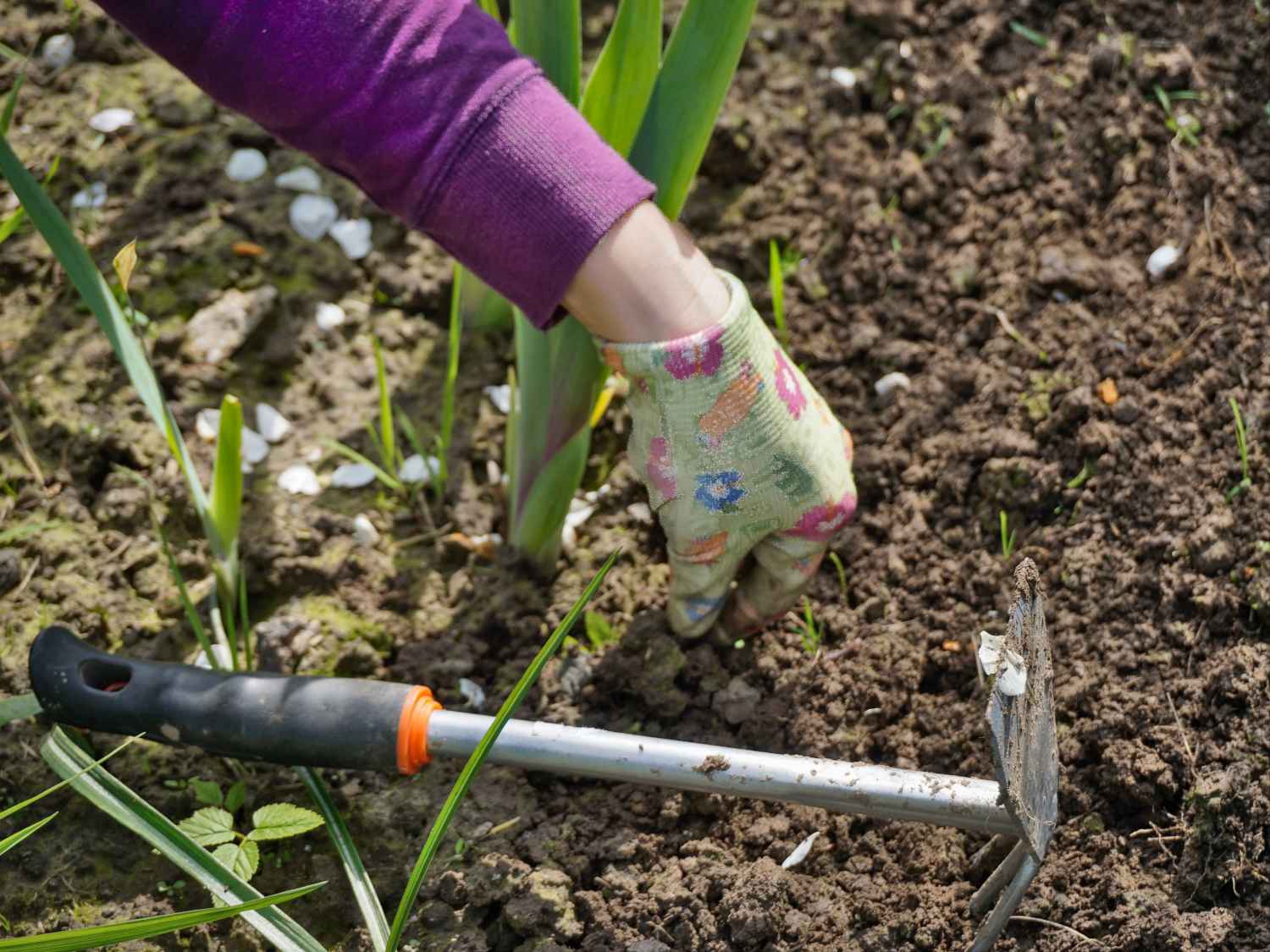
With its three teeth, the cultivator helps weed and break the soil up along the surface of flower beds.
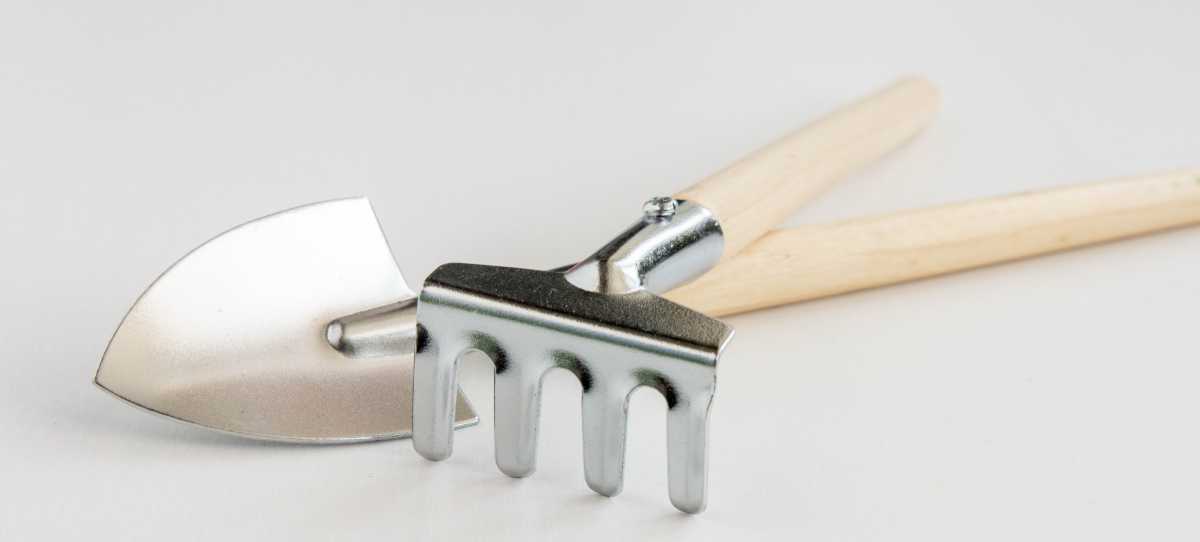
This a kind of double-purpose tool: its blade weeds and its fork loosens up the soil and breaks the crust of earth. It also can be used to trace furrows. A must-have for any gardener!
This surprising tool that looks like a corkscrew helps pull out weeds by twisting around their taproots. A good tool for the organic gardener.
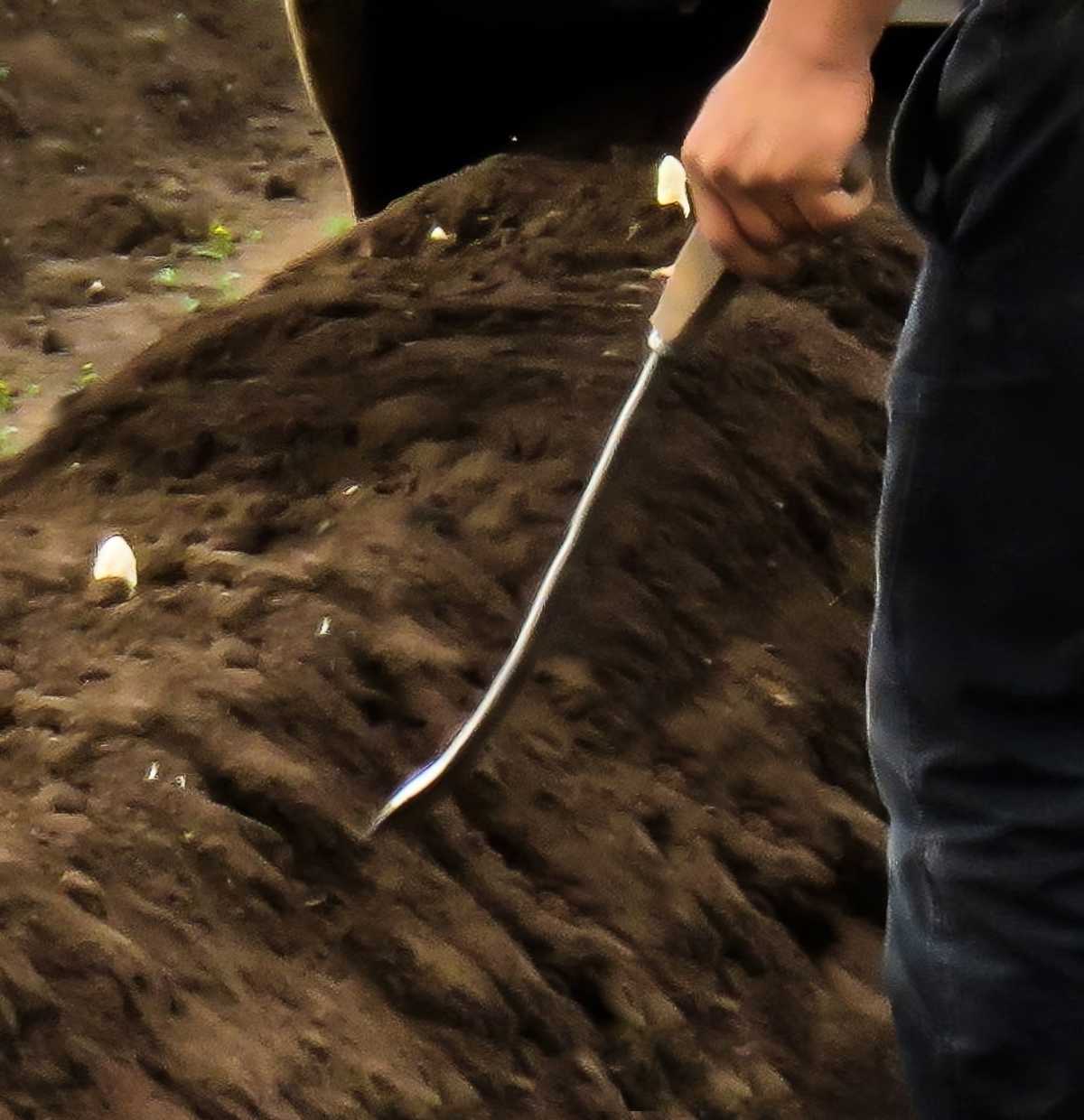
Thanks to its very long handle, this asparagus knife makes it easy to harvest asparagus.
The long thin rod ends with a sharp, flat tip. Plunging the rod into ridged soil, the tip slices the stem clean and the asparagus can be pulled out in one piece.
It can also be used against weeds. If kept sharp, you can even control invasive bamboo by cutting out roots.
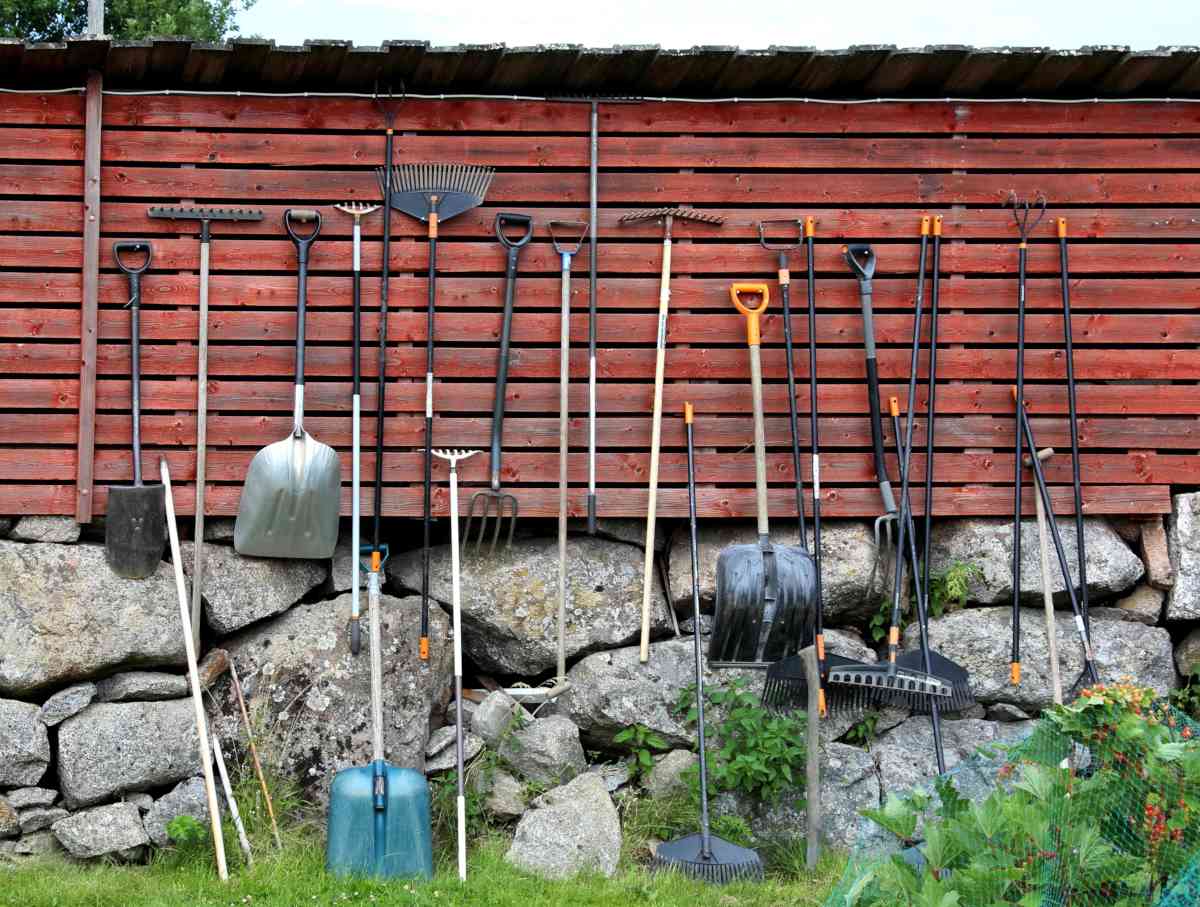
The best tools are those… that last a long time! When purchasing, prefer quality tools that are produced as close as possible to where you live. Strong, heavy-duty tools that are well designed aren’t among the cheapest, but you’ll be saving on the long term.
If you must select only a few, start with a good transplanter, a good cultivator and a weeding knife.
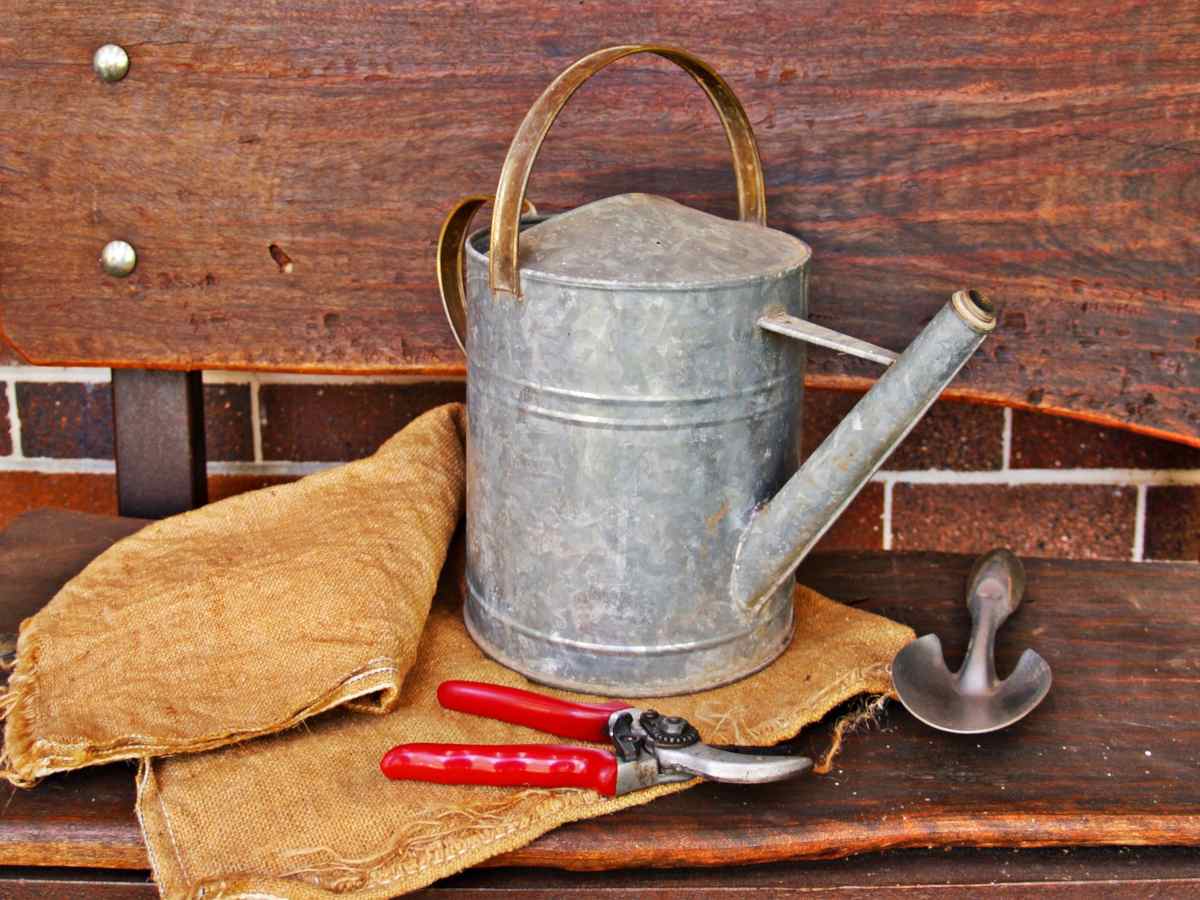
Last of all, remember that caring for your tools is even more important than buying them! Store them for safekeeping in a garden shed or a garden toolbox.
Laure Hamann