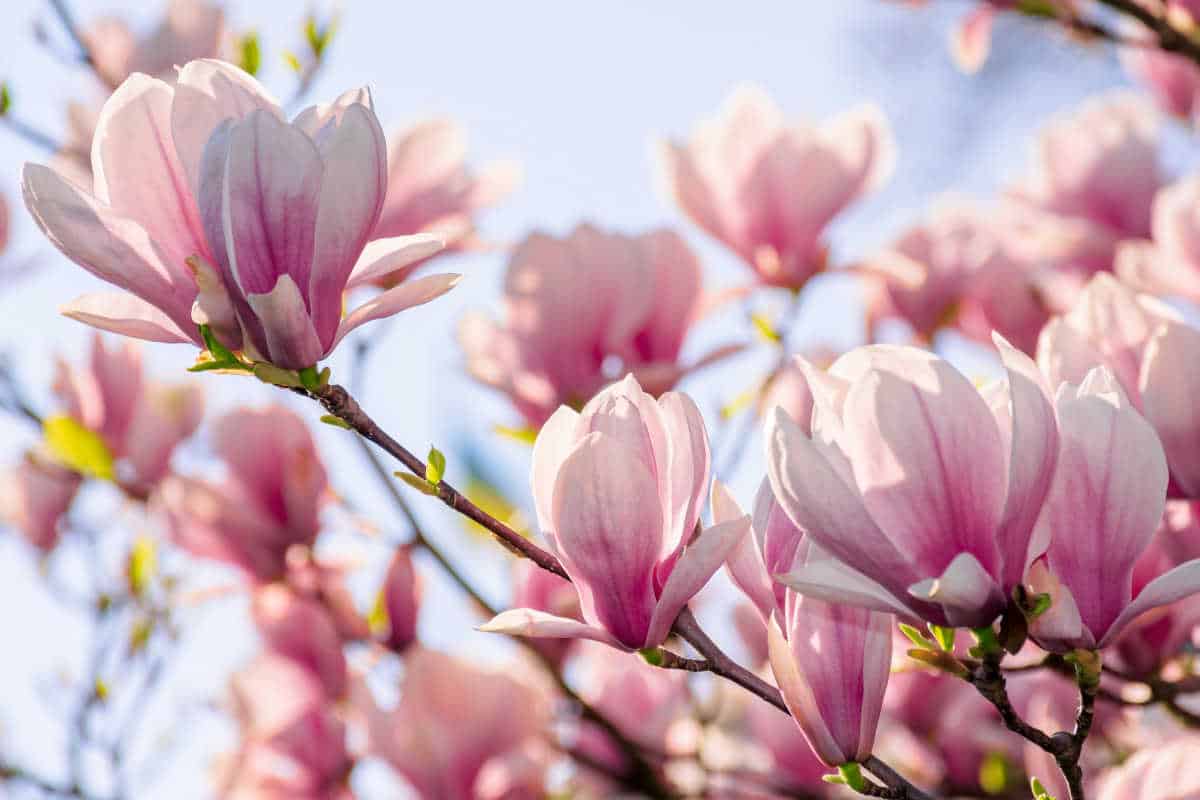
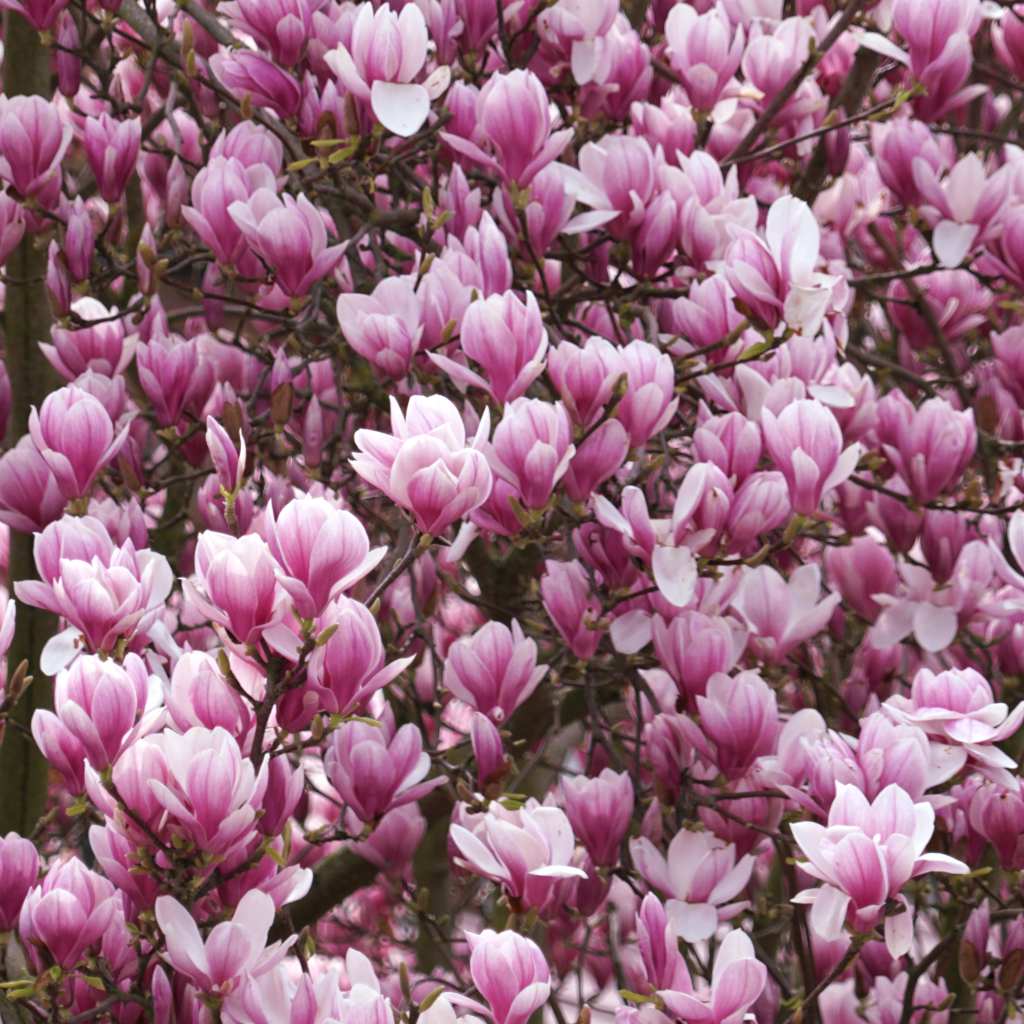
Great tulip-shaped blooms eight to ten inches across, or a bare crown smothered in white-to-pink cups before a single leaf opens: magnolias (Magnolia soulangeana, M. grandiflora) are the most spectacular of spring trees. Give them rich, cool, acid soil where summer is not too hot nor winter too wet, and they need almost no care.
| Name | Magnolia soulangeana |
|---|---|
| Family | Magnoliaceae |
| Type | tree |
| Height | 16 to 50 feet (5 to 15 meters) |
| Exposure | full sun, part sun |
| Soil | rich and cool |
| Foliage | deciduous |
| Flowering | spring |
Whether deciduous or evergreen, they are covered with spectacular flowers at the end of winter.
It is recommended to plant magnolia at the beginning of fall. This allows for root development before winter and ensures correct settling in for spring.
For evergreen species, you may plant in spring without expecting any problems.
Evergreen magnolias can reach heights of 65 feet (20 meters). They’re quite tall and must thus be planted at a certain distance from houses and buildings.
Deciduous magnolias are smaller, around 16 to 20 feet (5 to 6 m) tall, to the point that it’s possible to plant them along walls to follow a lattice.
too wet
in winter.It’s possible to prepare cuttings in summer or layering in spring.
Magnolias require little care and even resists diseases very well. Take note of these little bits of advice to help you get better blooms:
Whether deciduous (M. soulangeana) or evergreen (M. grandiflora), magnolias are trees that require very little care when correctly settled in. They will decorate your garden for many long years.
Parasites rarely attack magnolias. Even though, occasionally, you might find a few aphids. Rarer still are possible red spider mites in summer.
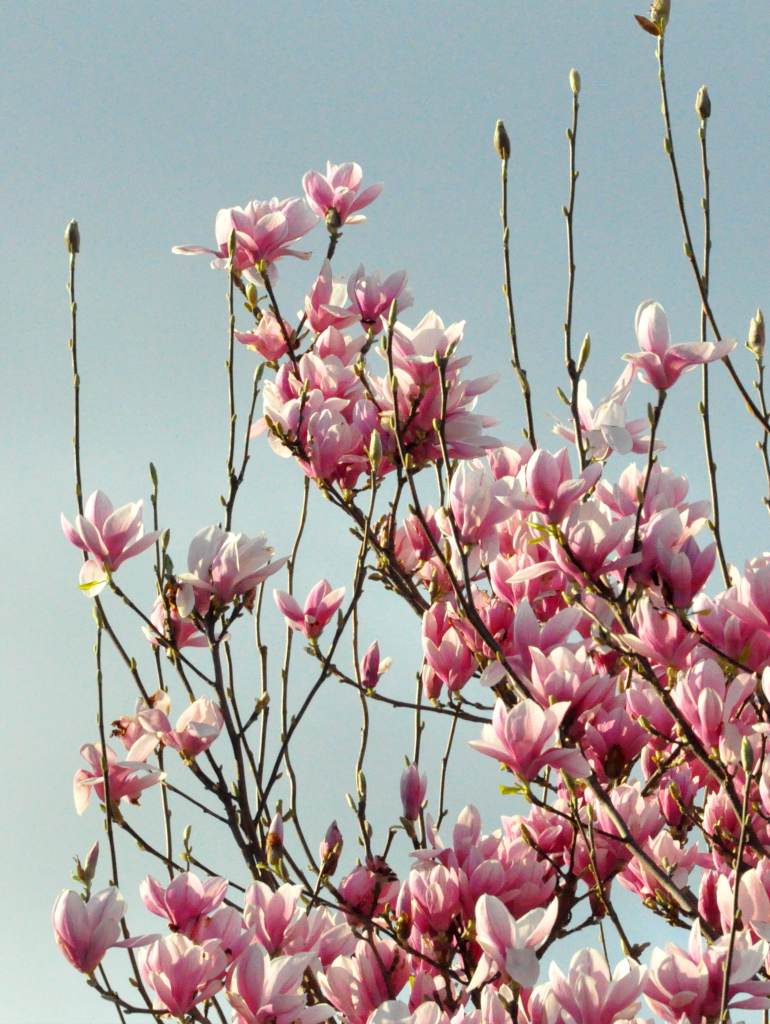
It isn’t really necessary to prune, but if you wish to reduce the size of the tree or balance the branches, proceed after blooming is over or in fall.
It is possible to prune main branches in winter to balance the silhouette.
Take note that what is most distinctive about magnolias is their natural shape.
Magnolias ask for very little, but the few tasks they do need are tied to a season. Here is when each one belongs in the year.
| Task | When | Why |
|---|---|---|
| Planting a deciduous magnolia | Beginning of fall | Roots develop before winter and the tree settles in for spring |
| Planting an evergreen magnolia | Spring is also fine | Evergreen species take spring planting without trouble |
| Reducing size or balancing branches | After blooming is over, or in fall | Only if needed; the natural shape is the tree’s main asset |
| Pruning main branches | Winter | To balance the silhouette |
| Topping up bark mulch | Summer, every year | A fresh 1 ½ to 2 inch layer keeps soil acidic and moist |
| Propagating | Cuttings in summer, layering in spring | Two simple ways to increase your stock |
Away from these few moments, a well settled magnolia can simply be left alone.
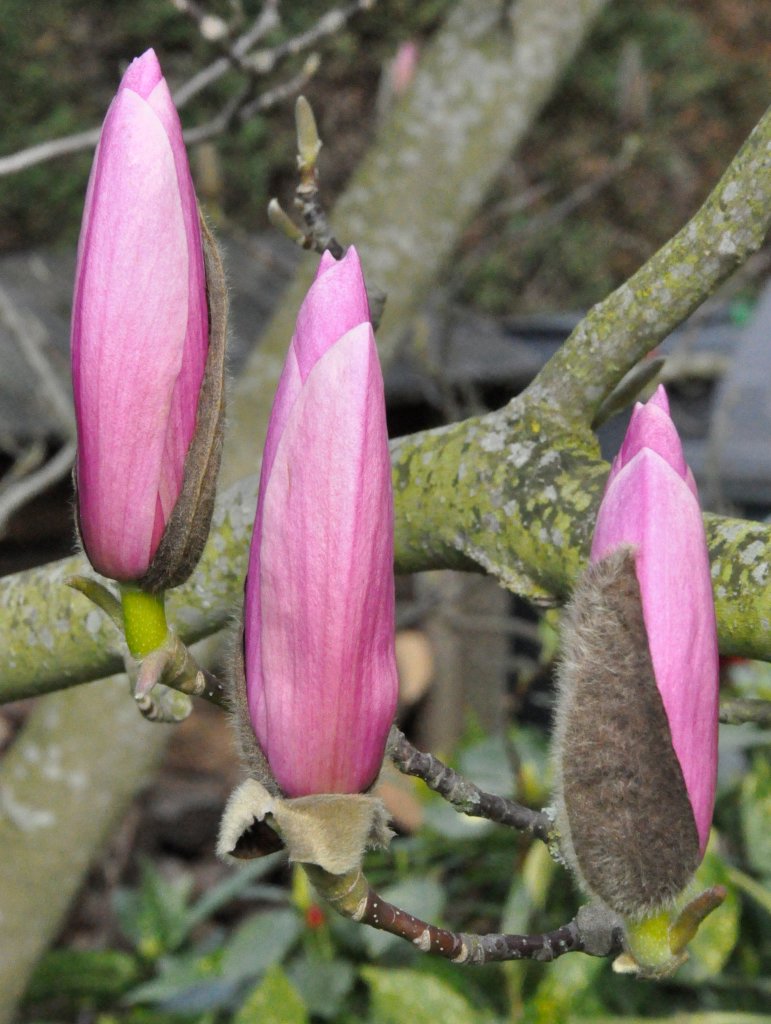
Magnolia is famous and even inspired many artists!
It stands out for its magnificent and generous blooming that comes in hues of pure white to pinkish white to pink.
Magnolia trees are very common, but there are also shrub varieties that are ideal for small gardens.
Note that there are two major types of magnolias:
– Deciduous magnolia, also called saucer magnolia or Magnolia soulangeana. They bloom at the beginning of spring, before leaves appear.
– Evergreen magnolia, also called Southern magnolia or Magnolia grandiflora. Flowers appear in summer, offering great tulip-shaped blooms that span 8 to 10 inches (20 to 25 cm) across.
Maritime pine bark mulch will give these trees their needed acidic soil levels to develop well. It’ll also help retain moisture.
For more effectiveness, layer on mulch in the summer every year, adding a fresh 1 ½ to 2 inch layer.
Plant magnolia at the beginning of fall to allow root development before winter and ensure proper settling for spring. For evergreen species, spring planting is also acceptable without problems, though fall is still recommended for deciduous varieties.
The article does not specify growth rate or time to first bloom for magnolia trees.
If your magnolia doesn’t bloom, remove surface dirt until reaching the roots and replace it with heath soil in a process called topdressing. The article also recommends maintaining soil acidity with pine bark mulch to support better blooms.
Deciduous magnolias (Magnolia soulangeana) are smaller at 16-20 feet tall and bloom at the beginning of spring before leaves appear. Evergreen magnolias (Magnolia grandiflora) can reach 65 feet tall and produce tulip-shaped flowers spanning 8-10 inches in summer.
Provide regular watering during spring after planting, and water during heat waves. The article also recommends mulching the base with pine bark to retain soil moisture, which reduces watering needs during hotter months.