It is very important to start with a short note as regards organic treatments for fruit trees. Organic does not necessarily mean safe! We tend to think that everything that is organic or directly collected from nature doesn’t present any risk to human beings. That’s wrong. You can imagine that a product that kills insects isn’t really innocuous… even it it’s perfectly natural.
So first of all, it is critical to follow elementary precautions when going about treating your fruit trees organically. Scrupulously follow indications provided on the packaging of your product.
Do you have a garden with fruit trees and you’d like to get a bit more organic?
Preserving and protecting nature is getting more and more attractive, most of all for our own dear little children.
Luckily, there are organic treatments for fruit trees that make it possible to reduce the amounts of chemical products used in the garden.
Review and advice.
Wear gloves, goggles and a mask when mixing Bordeaux mixture, because the copper powder irritates the eyes and the airways.
Pyrethrin is extremely toxic to fish, so avoid spraying near a pond or a stream and never rinse the sprayer into a drain.
Check the pre-harvest interval printed on the label and wash the fruit before eating it, even after an organic treatment.
Very well-known by all gardeners, Bordeaux mixture is a product authorized for use in organic farming. A blend of copper sulfate and quicklime, bordeaux mixture looks like a blueish powder that must be dissolved in water.
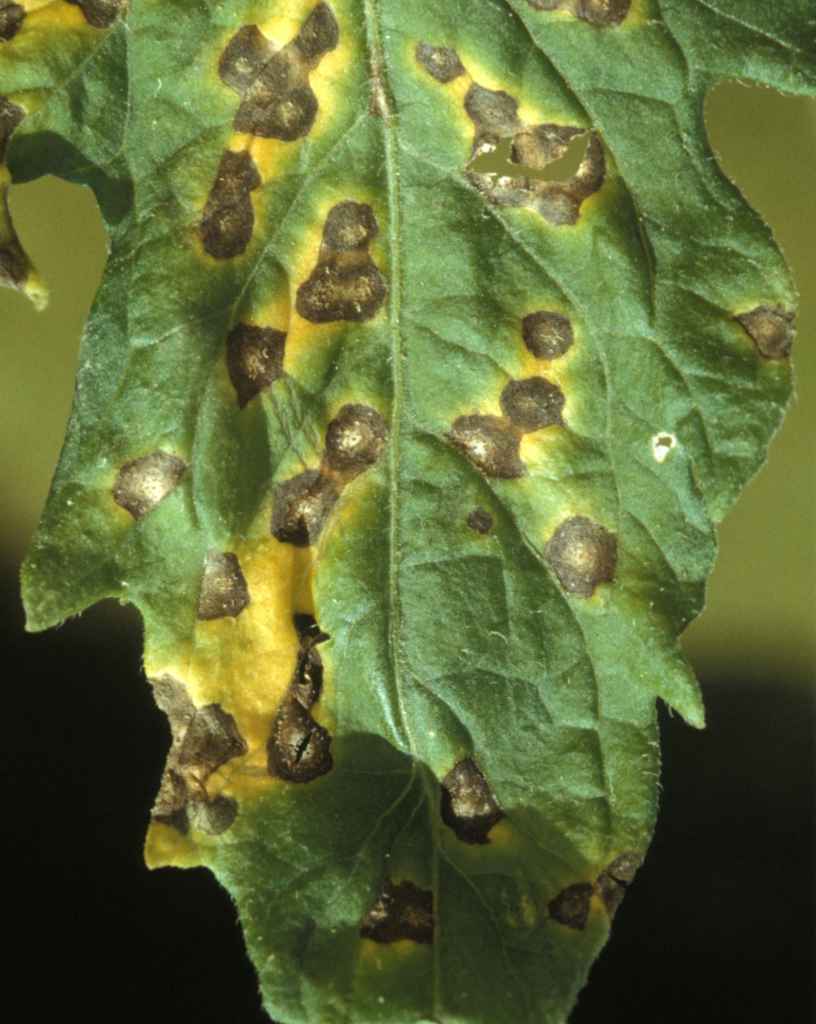
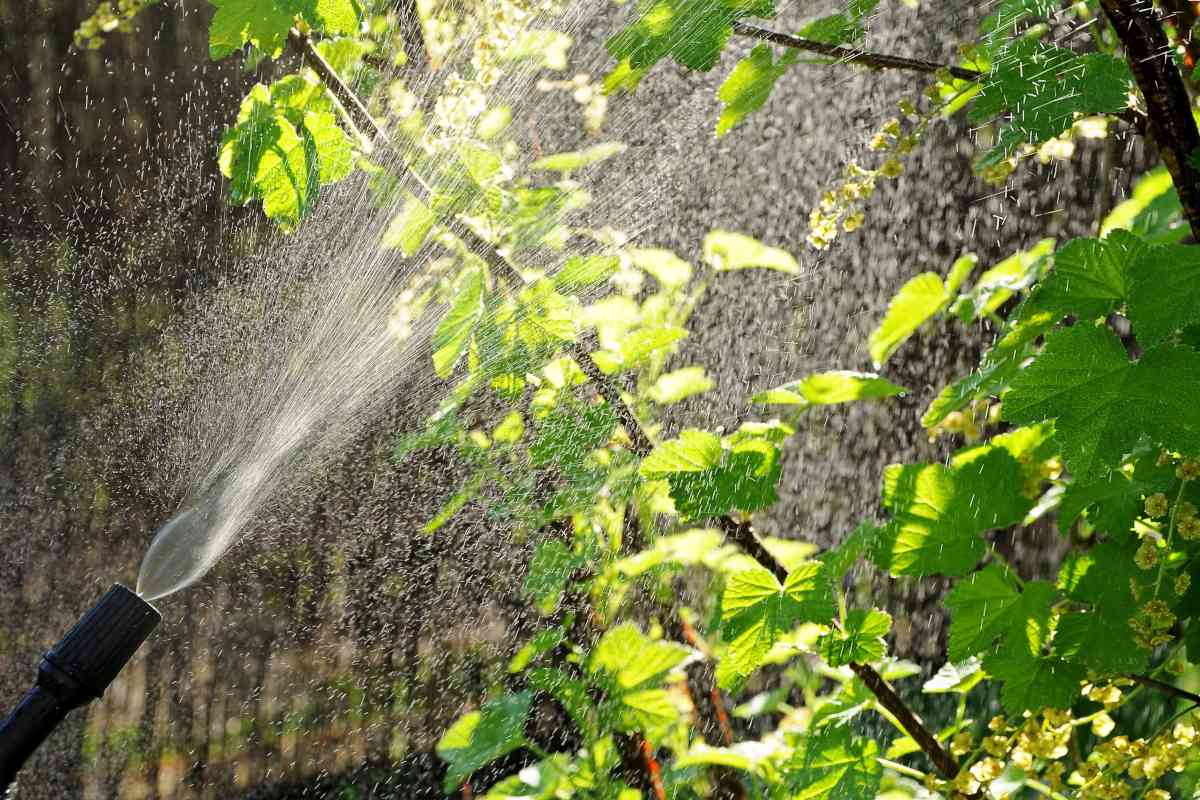
The resulting solution is then sprayed on trees to destroy fungus like downy mildew and also try to contain various other diseases that infect fruit trees.
Time the sprays to the tree rather than the calendar: once the leaves have dropped, and again as the buds swell but before any flower opens.
Copper does not break down; it accumulates in the soil and harms earthworms, so spray only the trees that genuinely need it.
Sulfur can be added to Bordeaux mixture to “organically” treat your fruit tree. It will supplement the treatment provided by Bordeaux mixture.
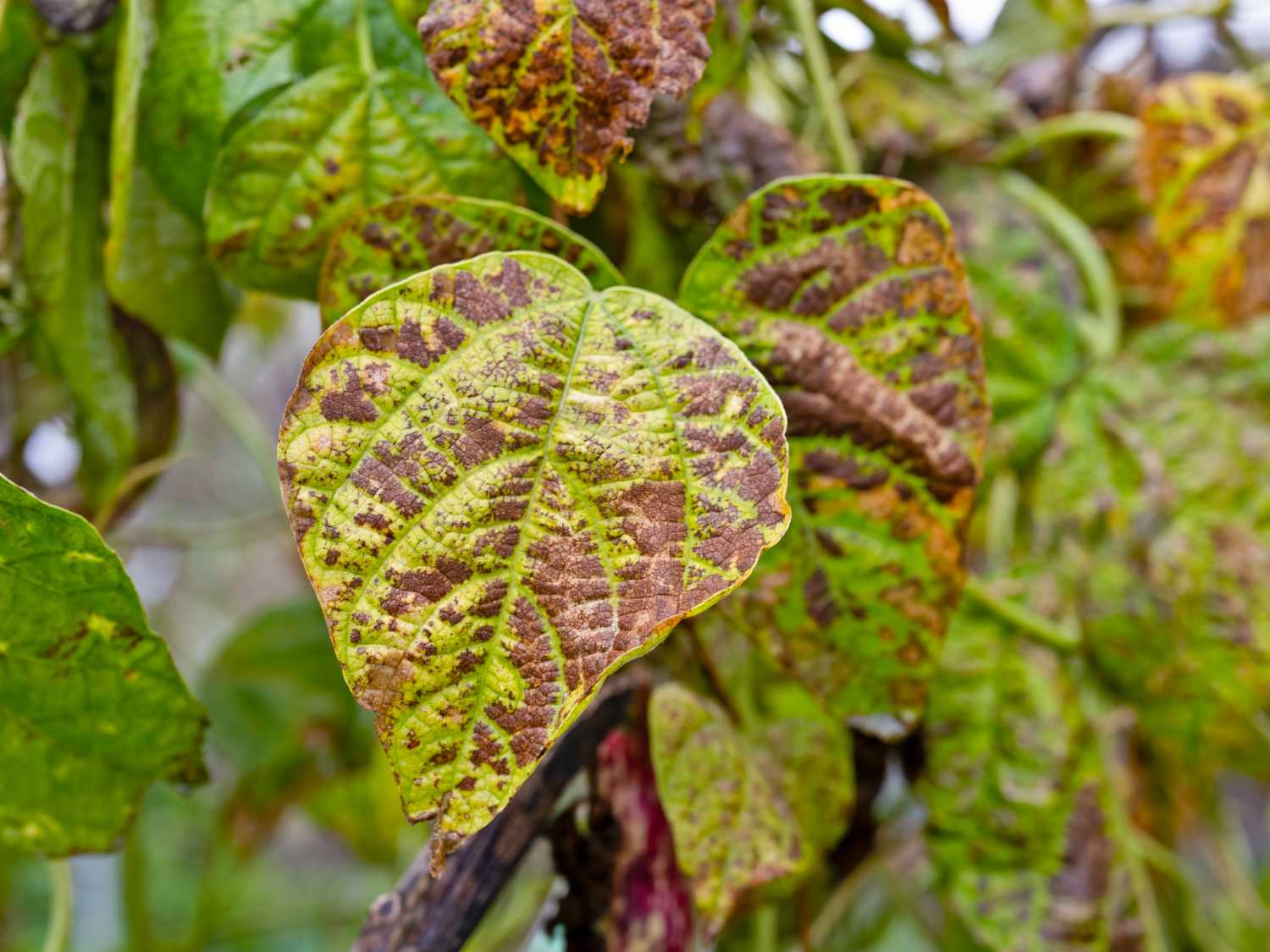
It can be used curatively, but most often is applied preventively. Its favorite targets: apple scab and powdery mildew. But sulfur can also of course be used on its own. Simply dilute in water and spray it.
Never spray sulfur in hot weather, as the leaves scorch easily.
Keep sulfur and oil-based sprays well apart, leaving several weeks between the two, because the combination burns foliage and young shoots.
Apricots and some gooseberry and currant varieties are sulfur-sensitive, so treat one branch first and wait to see how the leaves react.
Extracted from chrysanthemum, pyrethrin is an excellent insecticidal against aphids as well as caterpillars and many other insects.
Spray at dusk, when bees have stopped foraging and the sun will no longer break the product down on contact.
Pyrethrin is very toxic to fish, so keep it well away from ponds and watercourses.
Trichoderma comes in powder or granule forms. The former is applied on wounds (after pruning) of the fruit tree.
The latter is sprinkled in nooks and crannies of the trunk. Collected from the spores of a friendly fungus, Trichoderma is an organic treatment against fruit tree parasites.
Make clean pruning cuts at the right season and leave them uncovered, since research shows wound dressings rarely prevent decay, even though fungi can colonise exposed wood quickly.
Avoid spraying Bordeaux mixture or sulfur on wood you have just treated, as copper and sulfur kill the Trichoderma spores.
Yes, simple organic Marseille soap made from olive oil (no animals fats of course) does the trick! Simply grate and melt in water to produce a perfectly natural and non-toxic insect killer!
It’s also possible to add a dab of plant-based oil to the mix.
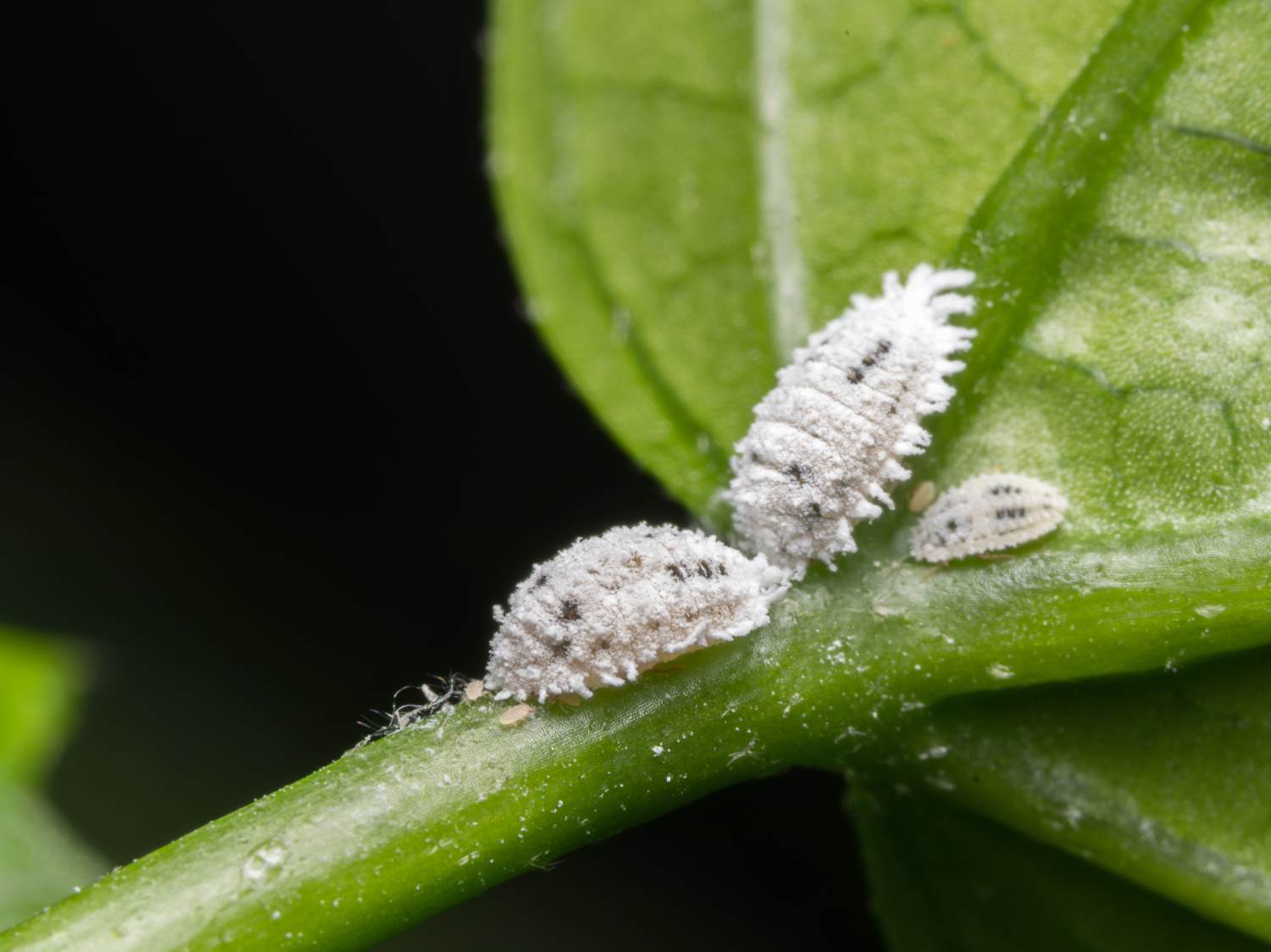
The key concept here is to “suffocate” aphids and scale insects with this special potion. Diligently spray both the top and the underside of leaves.
The biggest advantage of this product is that it is truly 100% safe for nature, for the gardener, and the gardener’s children! It is however slightly less effective than the aforementioned treatments. It seems these old maid’s remedies have a future in organic gardening, too!