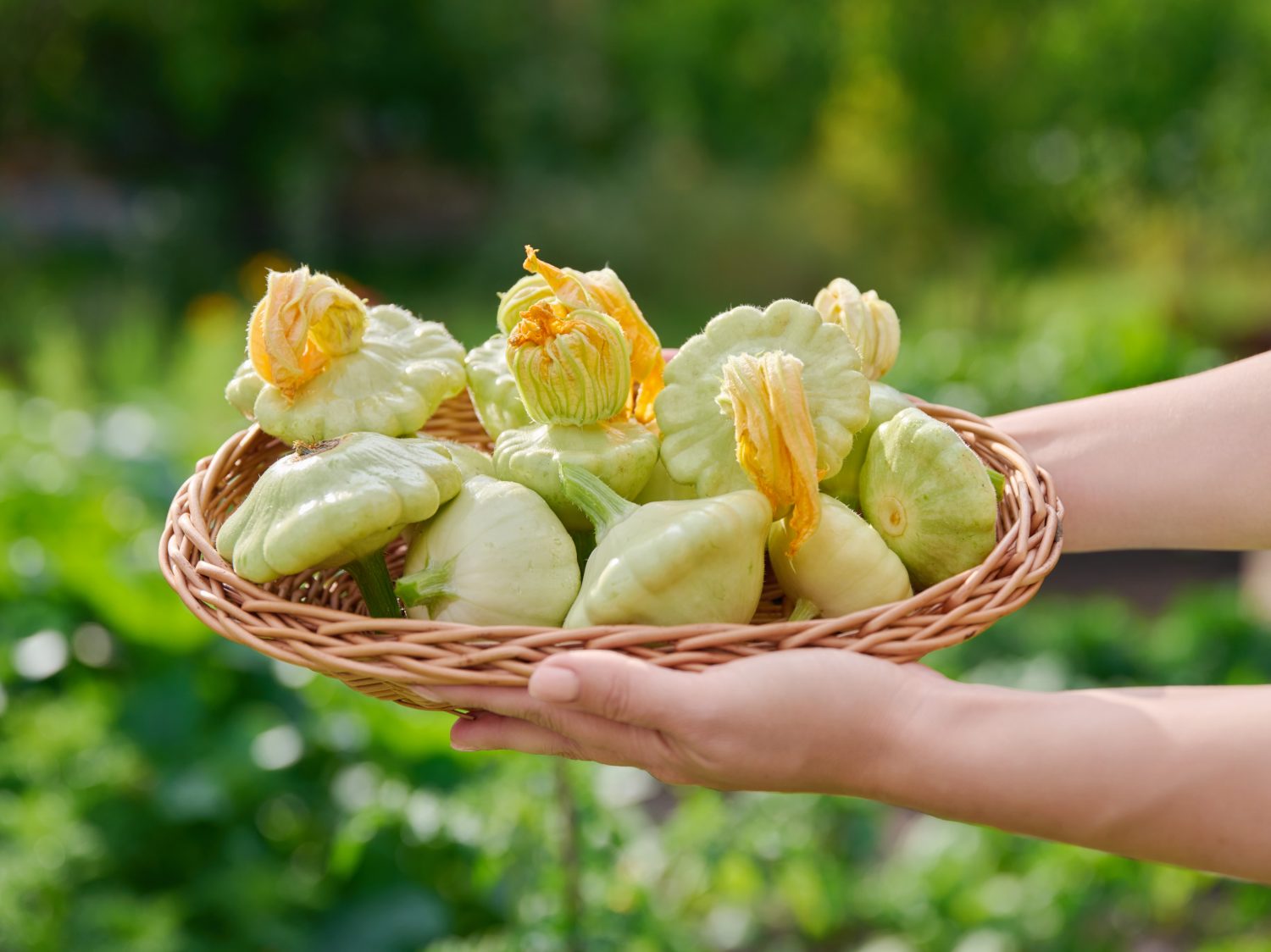
A flattened, star-shaped fruit with a scalloped edge and a rind that runs from white through greenish-yellow and orange to multi-coloured, the pattypan or patisson (Cucurbita pepo var. ovifera) is a dense, not-too-sweet squash with hints of artichoke. It is frost-sensitive and craves warmth: give it sun and rich, moist soil and it crops heavily.
| Latin name | Cucurbita pepo var. ovifera |
|---|---|
| Common name | patty pan, patisson |
| Family | Cucurbitaceae |
| Type | vegetable plant |
| Height | 16 inches (40 cm) |
| Planting distance | 4 feet (1.20 m) |
| Exposure | sunny |
| Soil | rich, loose, heavy, moist |
| Sowing | March, April |
| Planting | May |
| Harvest | August to November |
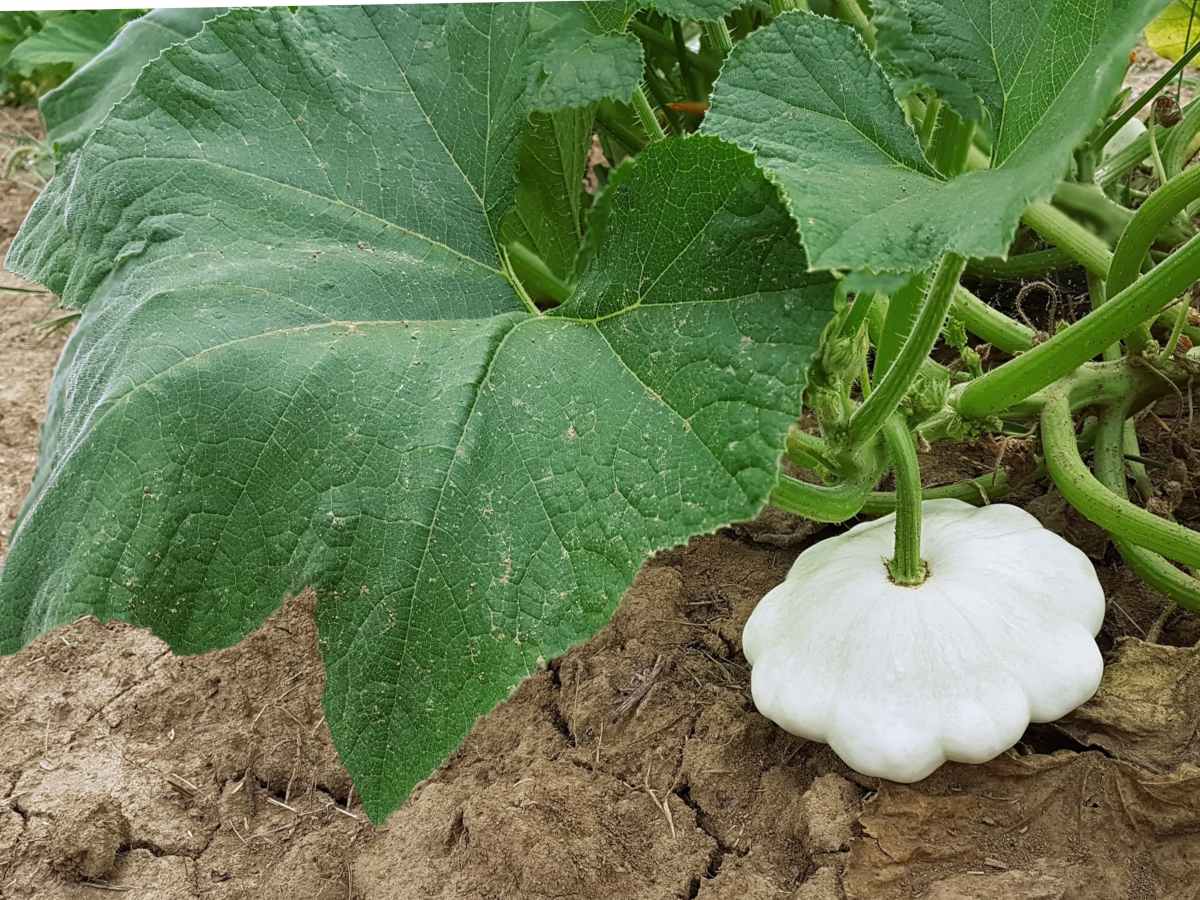
Patty pan squash is a star-shaped, slightly domed squash that’s catches the eye in any garden! This Central American native is a dense, not-too-sweet squash with hints of artichoke flavor.
A high-yield vegetable, patty pan grows in various sizes and colors depending on the sub-variety. This is a fruit (yes, technically a fruit!) that weighs from 1 pounds to 5 pounds (500 g to 2 kg). The rind comes in a range of shades from white to greenish-yellow, orange, and even multi-colored.
Start sowing patty pans in a warm setting from March to April, ideally between 65°F and 80°F (18-25°C). If you’re feeling adventurous, you can also seed directly in your garden between May and June.

Transfer young pattypan squash plants to the open ground in May, once the last frosts have melted away.
Pattypan squash in a pot:
Got a green thumb but no green yard? Plant your patisson in a pot. Just make sure it’s at least 24 inches (60 cm) in both diameter and depth. Blend potting soil, garden soil, and manure for your substrate.
This frost-sensitive squash craves warmth.

Depending on your area, grow it directly in the vegetable garden, or give it a space in a greenhouse. Patty pan squash thrives in rich, loose, and heavy soil and loves a sunny spot.
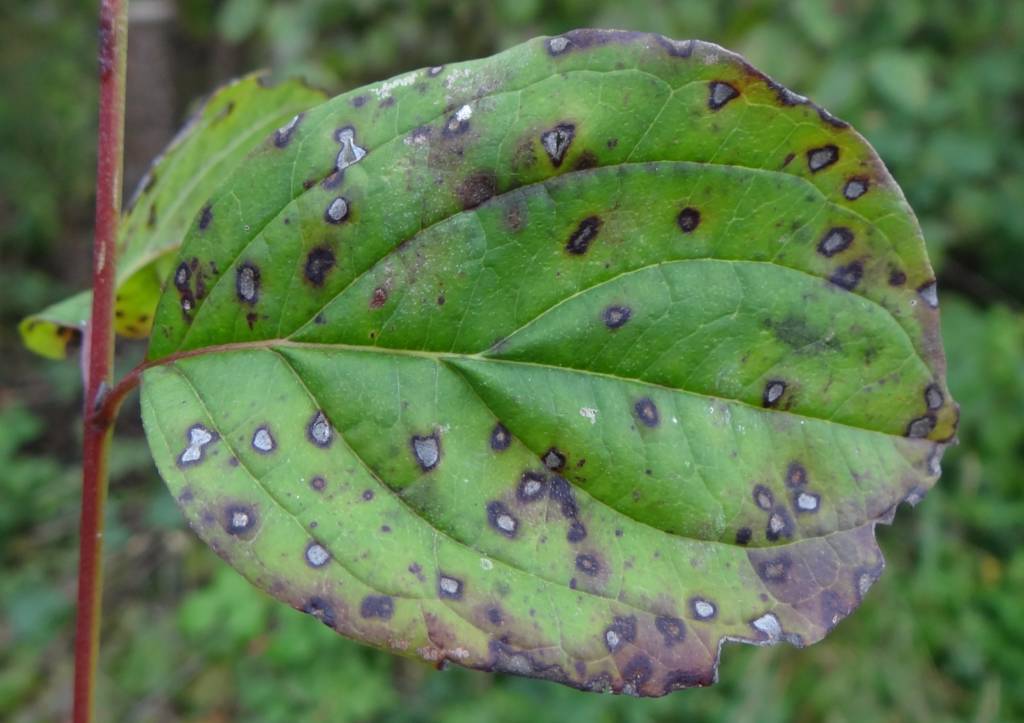
Keep an eye out for powdery mildew on leaves, and beware of sneaky slugs and aphids!

From August to November, it’s pattypan squash season!
Depending on your culinary dreams, you can harvest this gem at various stages of maturity: super young and still growing, or in its full-blown adult glory.
Quick tip: a younger harvest means a shorter shelf life. Store young ones in your fridge’s veggie drawer for just 3 to 5 days.
But, if patience is your game and you wait for it to mature fully, your stash will last for over 6 months! As for many vegetables, a dark, dry place does wonders for extended keeping.
Pattypan can be cut at almost any stage, and that single choice decides both how long the fruit keeps and what you can do with it in the kitchen.
| Harvest stage | Keeping time | How to use it |
|---|---|---|
| Very young, still growing | 3 to 5 days in the fridge veggie drawer | Pickle it, to serve with cold cuts and charcuterie |
| Young, but a little further on | Short — a younger harvest means a shorter shelf life | Treat it like courgette: diced, sliced or quartered, pan-fried, oven-baked or steamed |
| Fully mature | Over 6 months in a dark, dry place | A versatile staple: gratin, velvety soup, stuffed, or creamy puree |
Picking a few at each stage spreads both the eating and the storing across the season.
All pattypans share the same flat, scalloped shape, but rind colour and the size they are best cut at differ from one variety to the next. Use the table below to match a variety to the plate you have in mind.
| Variety | Rind colour | Habit | Best use |
|---|---|---|---|
| Early White Bush Scallop | Creamy white | Bush | Early pickings, pickling |
| Benning’s Green Tint | Pale green-tinted white | Bush | Baking, gratins |
| Sunburst | Bright golden yellow | Compact bush | Pan-frying, pickling whole |
| Peter Pan | Pale green | Compact bush | Stuffing, steaming |

Here are a few cooking tips based on how old the harvest is:
Pattypan will impress guests whether baked into a scrumptious gratin, velvety soup, stuffed delight, or creamy puree.