Flowers appear in great numbers at the end of spring, on a plant whose roots run deep enough to shrug off climate swings and often outlive the gardener who planted it. Peonies are hardy, passed from one generation to the next, and ask only for deep, rich, well-drained soil to keep flowering.
They are special in that they are hardy and can be handed down from one generation to the next. This blooming wonder is no exception!
Herbaceous peonies alone run to thousands of hybrids, so it helps to start with the handful you will actually find on sale. Those below cover the usual range of colour, form and flowering time.
| Variety | Type | Flower | Flowering season | Height |
|---|---|---|---|---|
| ‘Coral Charm’ | Herbaceous hybrid | Semi-double, coral fading to peach | Late spring | 90 cm |
| ‘Bowl of Beauty’ | Herbaceous | Anemone-form, pink guards with a cream centre | Late spring | 80 cm |
| ‘Festiva Maxima’ | Herbaceous | Double white flecked crimson, strongly scented | Late spring | 90 cm |
| ‘Sarah Bernhardt’ | Herbaceous | Double, pale rose-pink, scented | Late spring to early summer | 90 cm |
| ‘Duchesse de Nemours’ | Herbaceous | Double, white with a cream heart, very fragrant | Late spring | 80 cm |
| ‘Karl Rosenfield’ | Herbaceous | Double, deep crimson-red | Late spring to early summer | 90 cm |
| ‘Rubra Plena’ | Herbaceous | Double, dark red | Mid to late spring, among the earliest | 70 cm |
| ‘Bartzella’ | Itoh hybrid, herbaceous habit with tree peony foliage | Double, lemon-yellow with red flares | Late spring to early summer | 80 cm |

It often outlives the person who planted them, and older bunches always bear flowers in great numbers at the end of spring. This plant owes its long lifespan to the deep roots that protect it from climate variations.
Peony is a plant that may be a bit choosy at times, but it’s always full of charm.
Peonies are hardy. Since they aren’t vulnerable to freezing, they can theoretically be planted all winter long. However, since blooming is in spring (from March to June), it is recommended to plant them in fall. This lets roots develop over winter and settles the plant in.
Peonies like sunlight, but not too much of it.
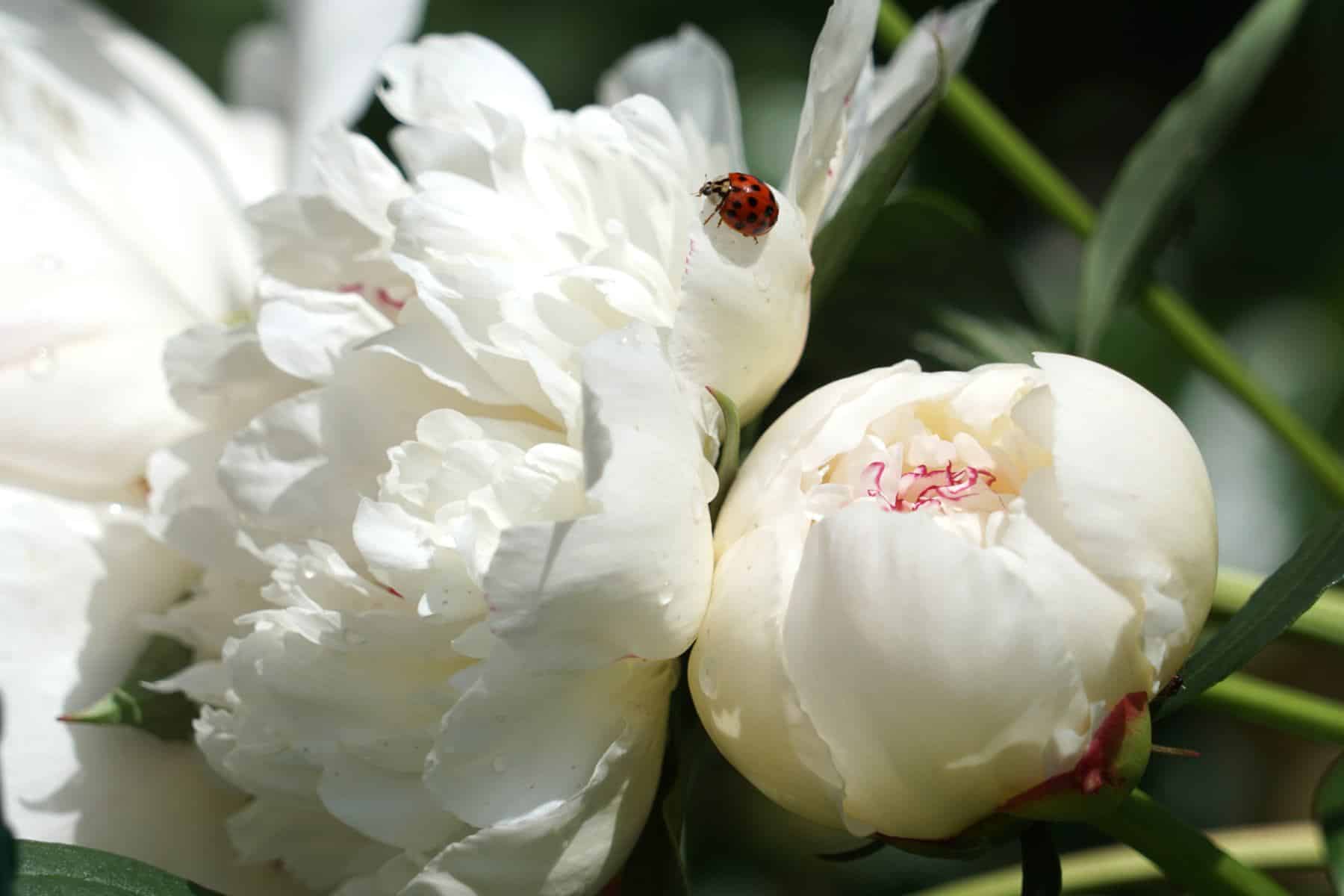
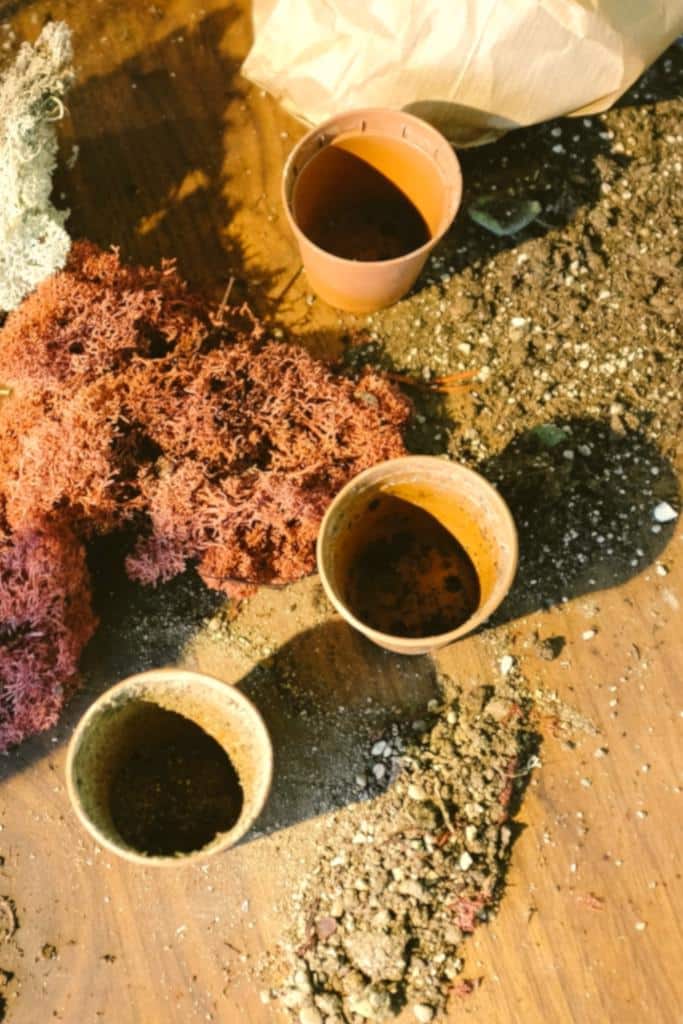
The soil must run deep, and is best when rich and well drained. If the soil is very hard, break it up first with a spade. If the soil is a bit too poor, add organic matter (horse manure, dried blood…).
Peonies complement climbing roses well, since they cover their base and lower stems.
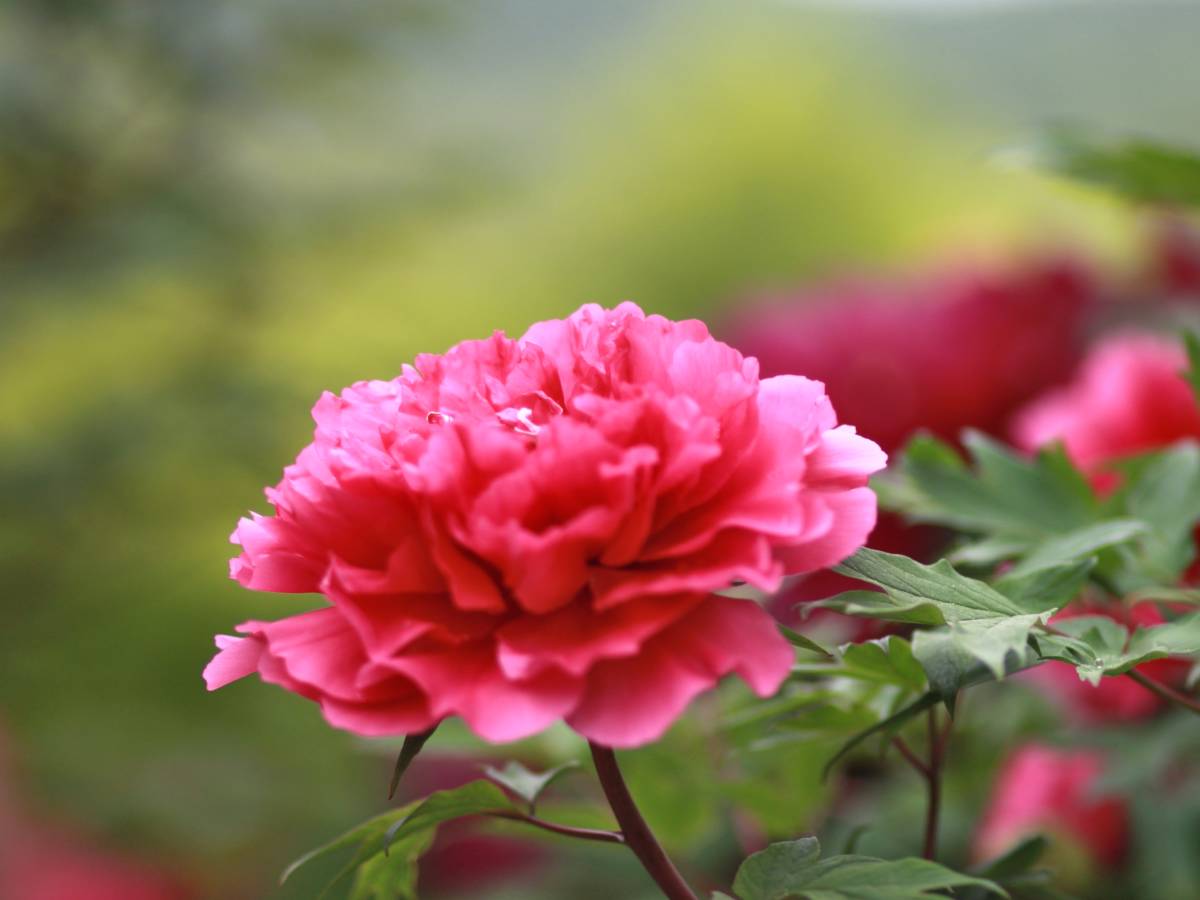
There are two categories of peonies on the market: herbaceous peony and tree peony.