Phillyrea, a short olive-like tree for hardy climates
·
0
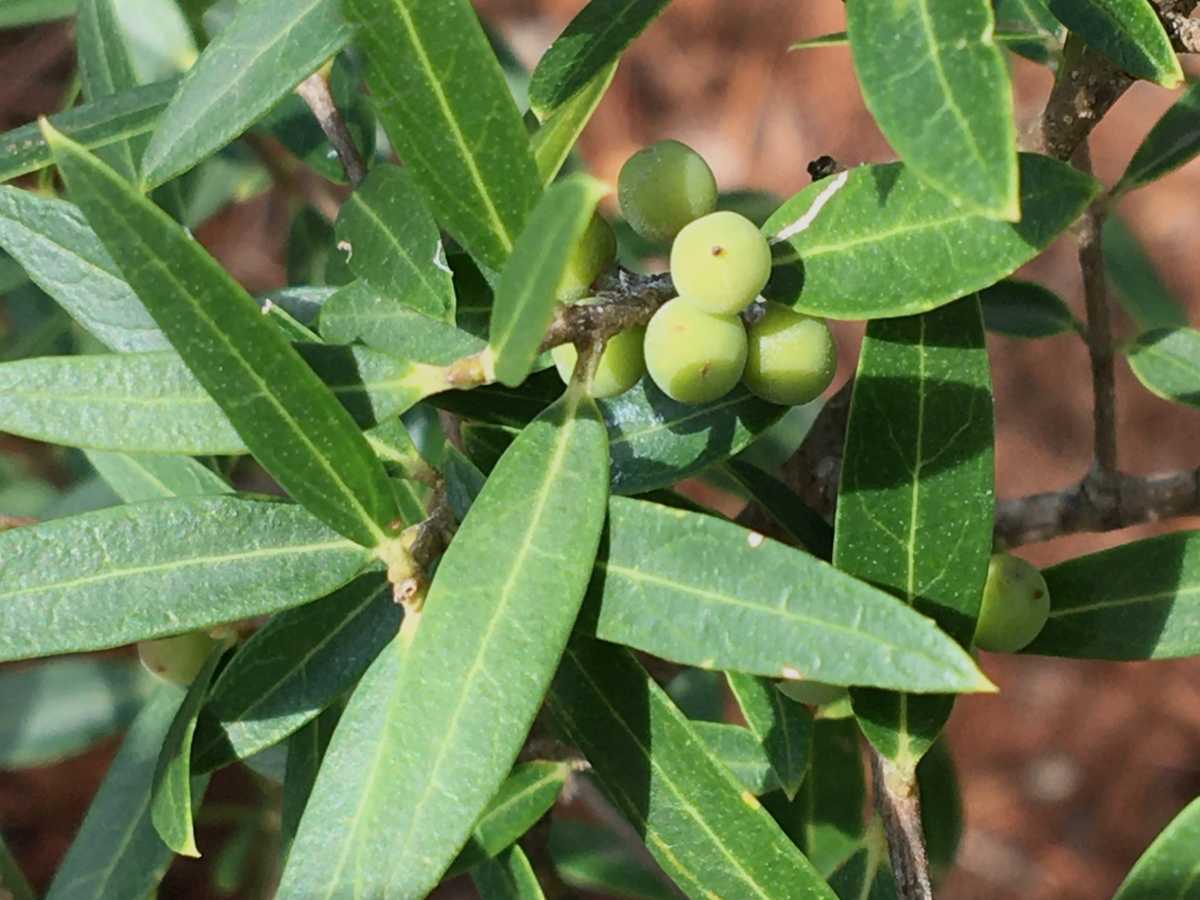
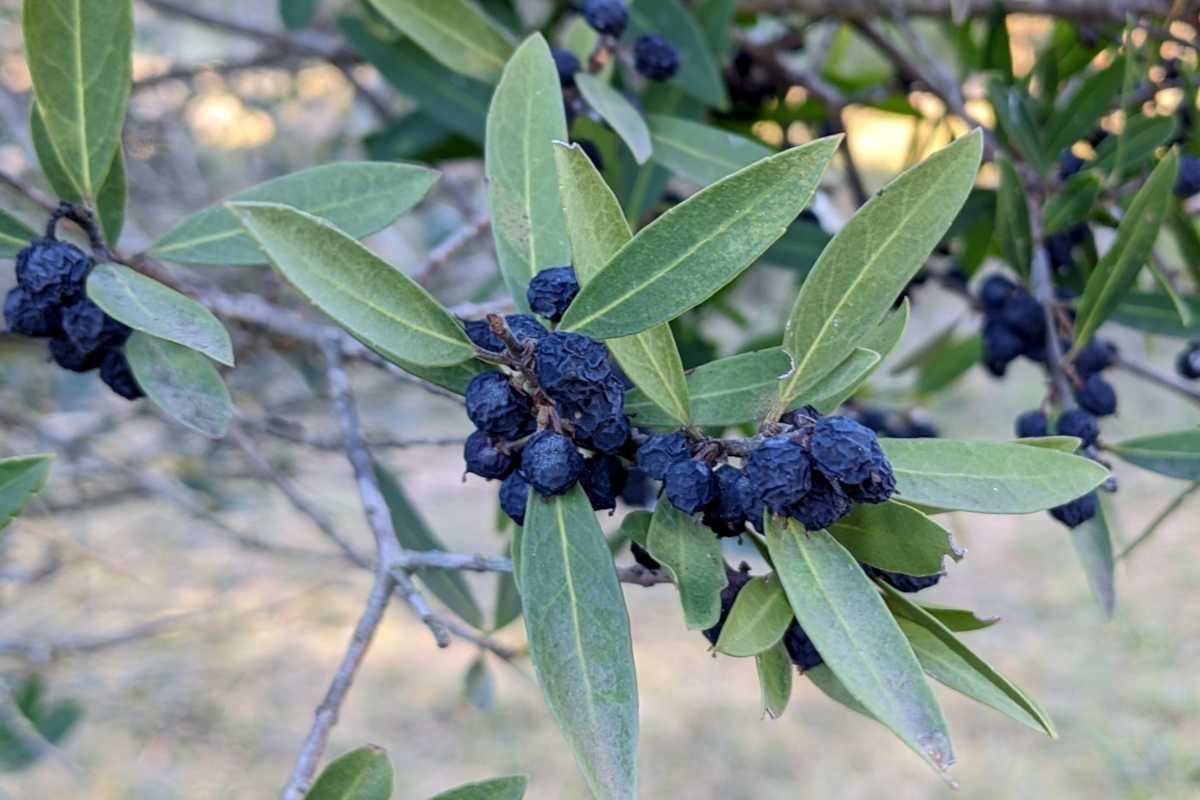
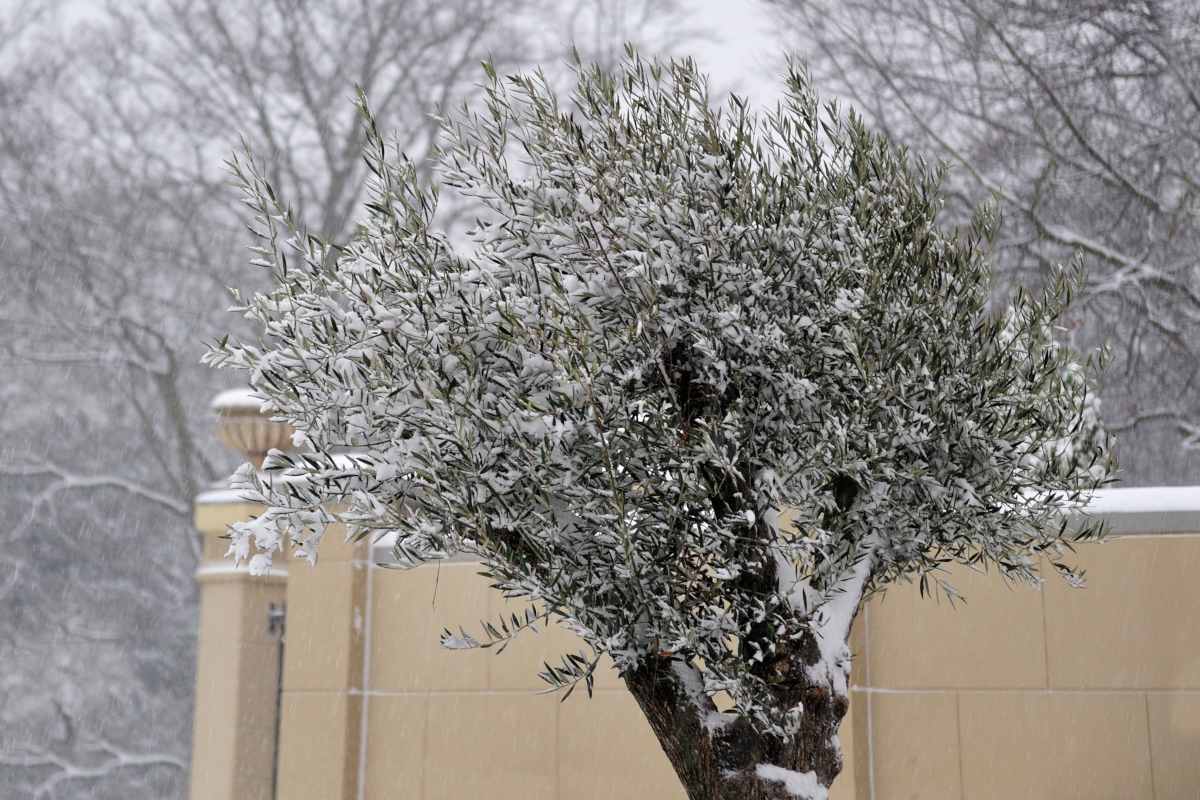
Leathery, narrow evergreen leaves almost indistinguishable from an olive’s, flowers at the turn of spring into summer, then berries barely 6 mm wide: phillyrea is the Mediterranean shrub for gardens where olives freeze. Give it any ordinary soil, in sun or in shade, and it will ask practically nothing of you.
Phillyrea at a glance
Name
Phillyrea
Family
Oleaceae
Type
shrub
Height
16 to 23 feet (5 to 7 meters)
Exposure
full sun to shade
Soil
ordinary
Foliage
evergreen
Flowering
late spring to early summer
Planting phillyrea
In fall or spring for potted shrubs.
For plants purchased with their roots bare, plant them in fall soon after buying them.
Don’t prune in spring, wait for the blooming to fade away to reshape your shrub.
Comments about Phillyrea
Fruits stay tiny, about 6 mm, and harmless
An extremely hardy plant, Phillyrea can cope with all kinds of soil, emplacements and weather patterns. It’s native to the Mediterranean area.
This is the ideal “fill-the-spot” shrub that requires practically no care at all. For those who miss growing an olive tree because their weather is too cold, this is the perfect look-alike!
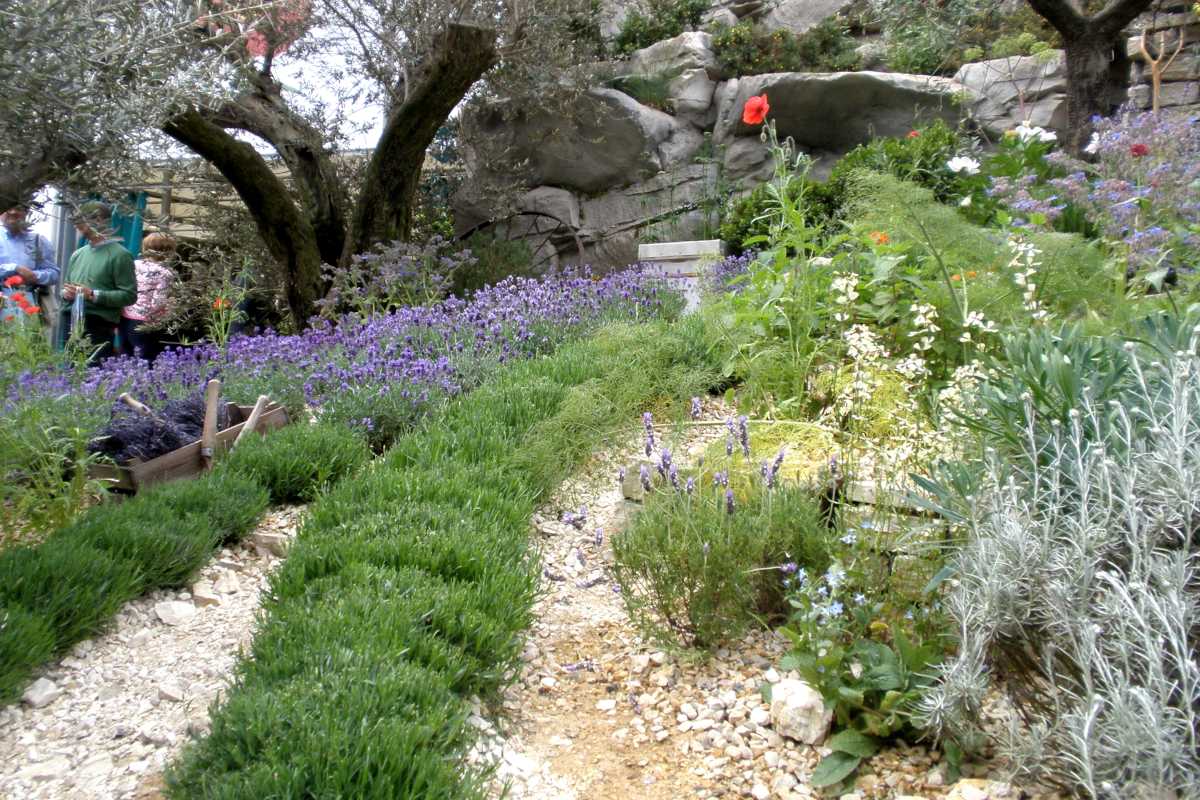
You can set it up as a standalone, merge it into a shrub bed or create hedges with it, since it is so easy to prune.
Phillyrea species and varieties
Leaf shape tells the two garden-store species apart
There are several species you can find in garden stores, but it isn’t a very common plant overall. You might find:
Phillyrea angustifolia: longer leaves, leathery, nearly identical to those of olive. Also called narrow-leaved mock privet.
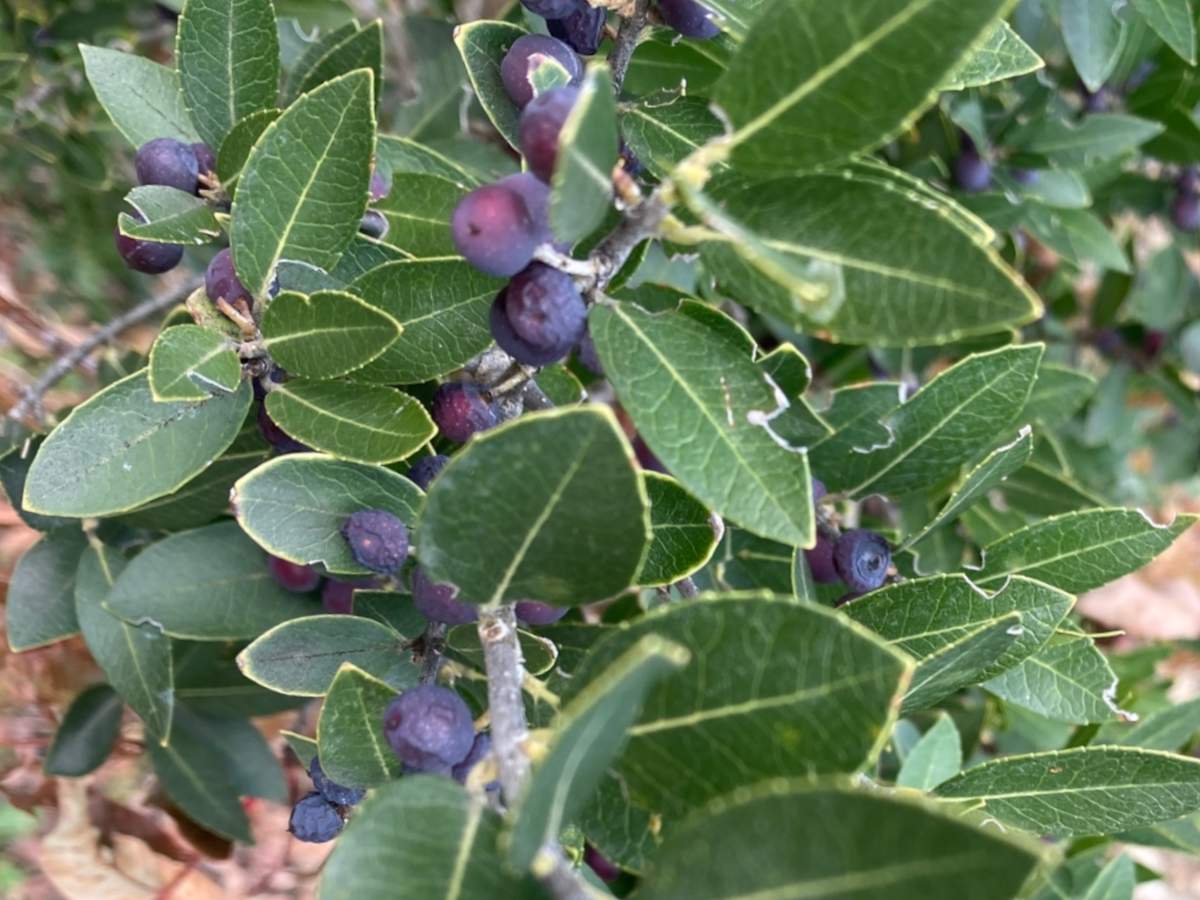
Phillyrea latifolia: shorter, stouter leaves that are a shiny deep green color. Another name for this species is Green olive tree.
Phillyrea fruits are very small, about a quarter-inch across (6 mm). They’re not particularly edible, but they aren’t toxic, either.
Images: CC BY 4.0: Denis Bastianelli; Public Domain: anbalemans, Aaron S.
Written by Gaspard Lorthiois | Loves helping out, especially when it comes to growing things. Worked in herbal medicine, runs a farm, and dabbles in tech. Master's degree and engineer.