An English rose earns its summer display in the quiet weeks before growth begins, when the bush is still bare and every cut counts. Pruning at the end of winter, just before spring growth resumes, is the single step that decides whether you get a generous flush of beautiful blooms or a straggling handful.
The ideal pruning season is most often at the end of winter, before spring growth resumes.
English roses cover a wide range of habits, from compact shrubs to climbers. These are among the most widely sold and most easily recognised.
| Variety | Flower colour | Habit | Scent |
|---|---|---|---|
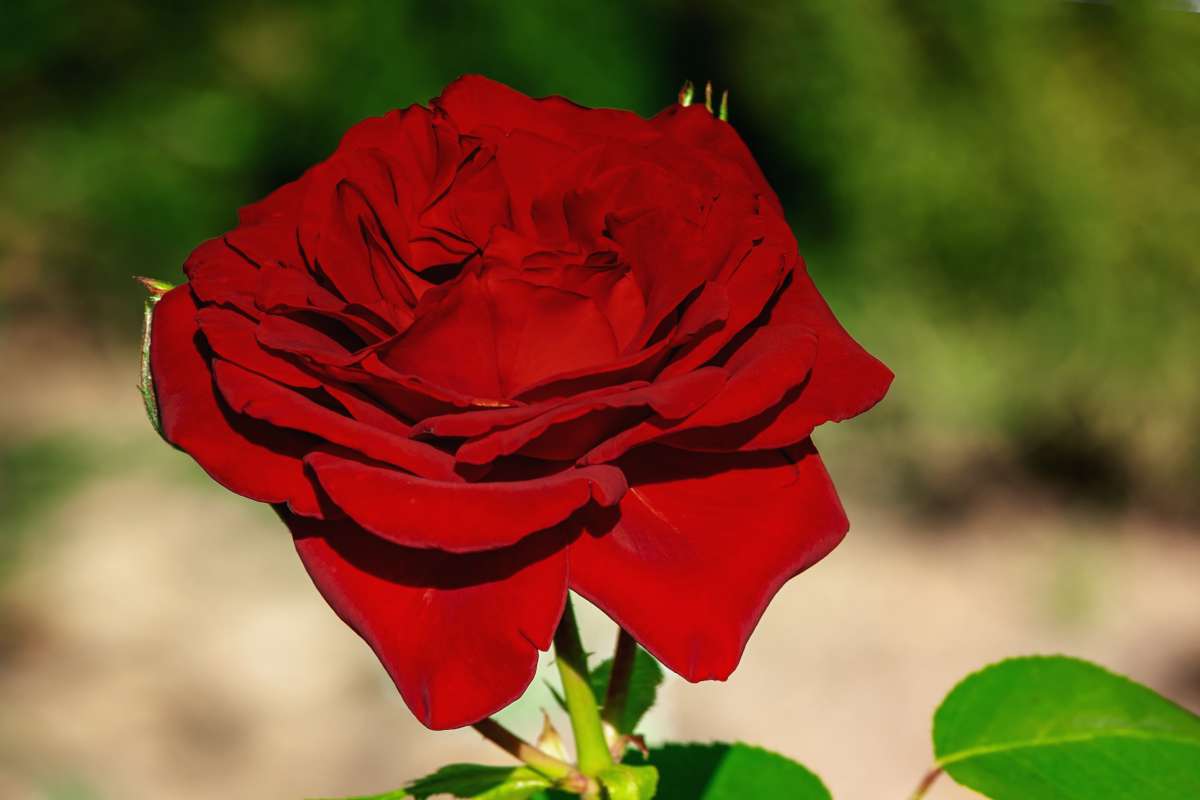
| ‘Munstead Wood’ | Deep velvety crimson | Compact, spreading shrub | Strong fruity old rose |
| ‘Lady of Shalott’ | Salmon-orange with gold reverse | Vigorous, bushy shrub | Warm, spiced apple |
| ‘Queen of Sweden’ | Soft apricot-pink | Neat, narrowly upright shrub | Light myrrh |
| ‘The Generous Gardener’ | Soft blush pink | Climber, suits arches and walls | Strong, old rose and musk |
| ‘Gertrude Jekyll’ | Rich pink | Upright shrub, can be trained as a short climber | Very strong old rose perfume |
| ‘Darcey Bussell’ | Deep crimson-red | Short, bushy shrub | Fruity |
| ‘Boscobel’ | Salmon-pink | Upright, healthy shrub | Strong myrrh and hawthorn |
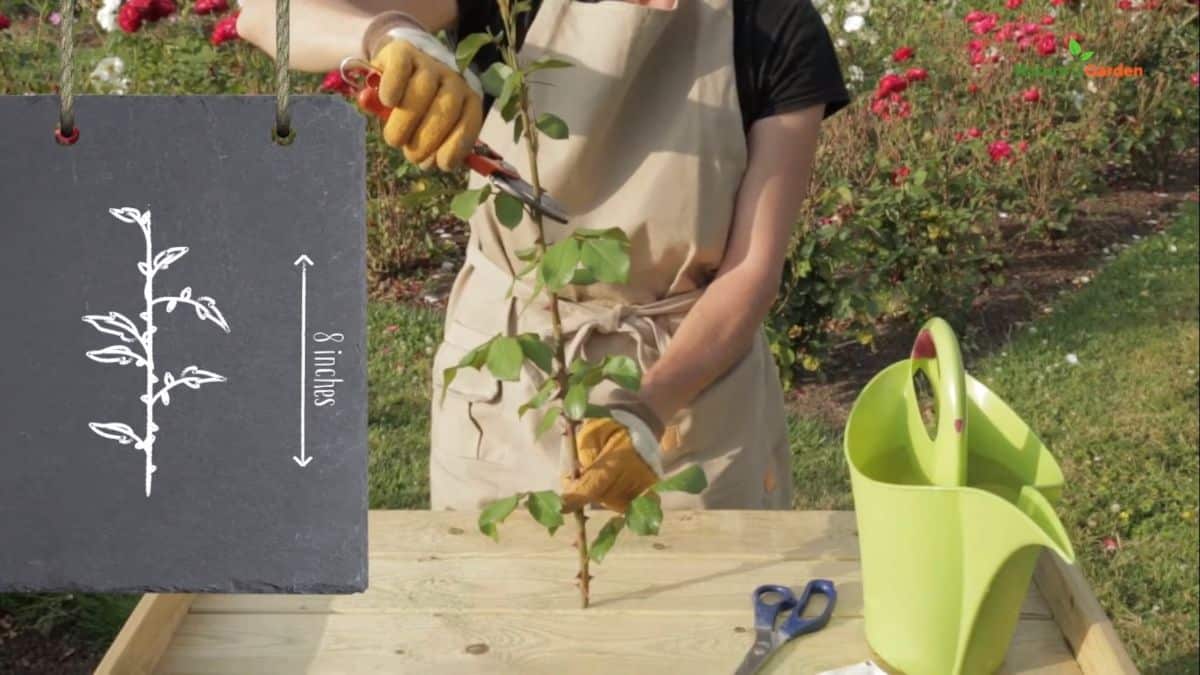
Here are our video tips on how to prune English roses, including the best timing and practices to have beautiful roses: