Silk tree – proper care and soft pruning for this silk-flowered tree
·
0
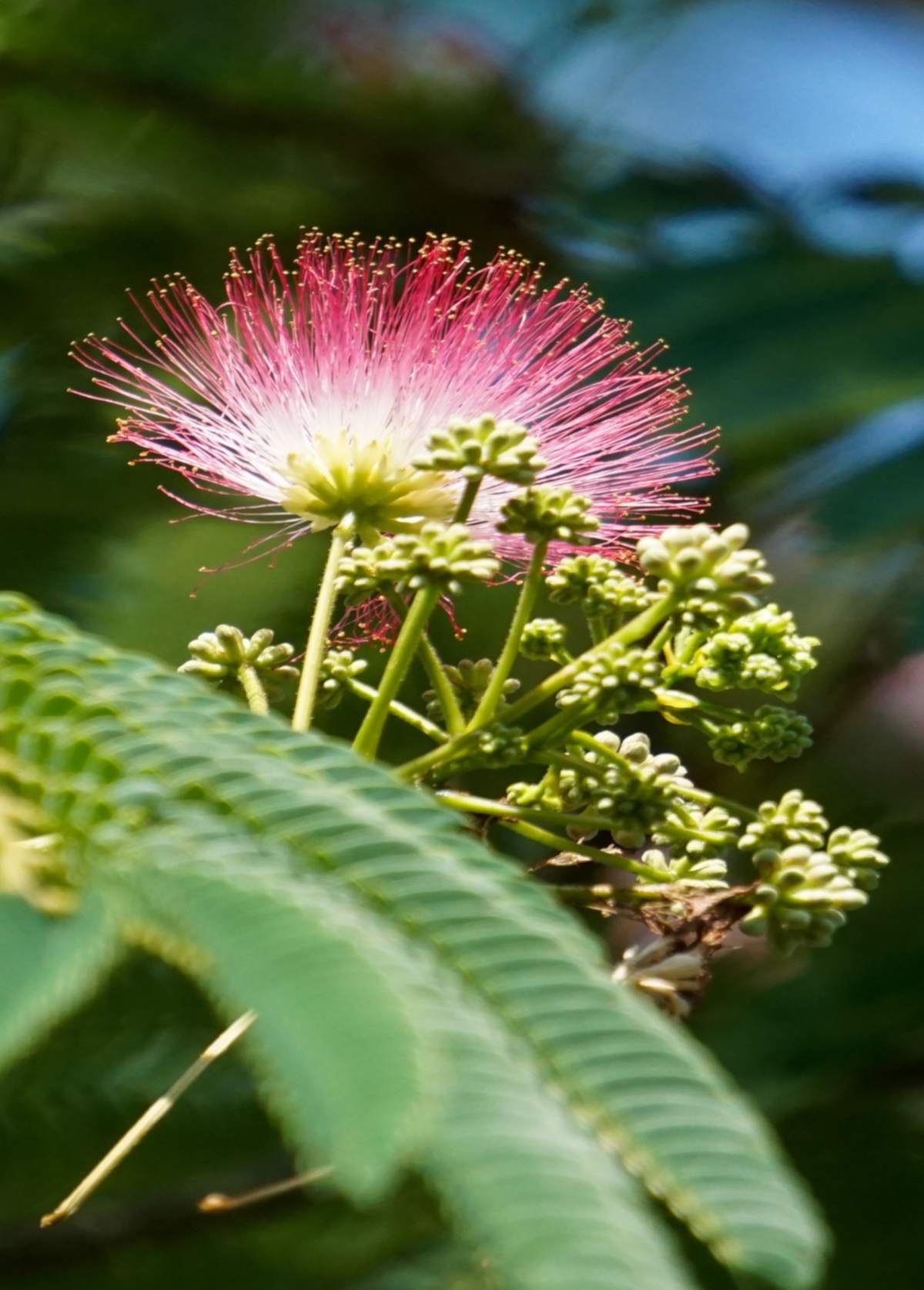
Pink-red flowers with elongated stamens seem to burst open, and together with the leaves they give the silk tree (Albizia julibrissin) its feeling of airy lightness. Best planted on its own to show off the umbrella-like shape it forms naturally, it asks for almost no care — give it full sun and the flowers are finer still.
Silk tree at a glance
Name
Albizia julibrissin
Family
Fabaceae
Type
tree
Height
20 to 40 feet (6 to 12 meters)
Exposure
full sun
Soil
ordinary, well-drained
Foliage
deciduous
Hardiness
USDA zone 6, about -10°F (-23°C)
Planting the silk tree
Either in fall or spring, preferably in a spot sheltered from wind.
Where winters are cold, favor a sunny spot that is sheltered from wind, because it originally is best suited to mild temperate climate.
If you’d like a particularly hardy silk tree variety, try the “Summer chocolate” silk tree. It’s hardy down to 20°C. The purple-brown foliage will be a true eye-catcher in the garden!
More generally, it is said that the silk tree resists temperatures below freezing down to about 23°F (-5°C).
Allow generous space at planting, since the crown of a mature silk tree spreads about as wide as the tree is tall.
Avoid heavy soil that stays soggy through winter, because Albizia julibrissin needs good drainage and waterlogged roots can rot, weakening or killing the tree even where winter temperatures pose no threat.
Stake the young trunk until roots anchor it.
Water deeply during dry spells while the tree settles in, after which it copes with drought on its own.
Where the silk tree is classed as invasive, cut off the flat brown seed podsbefore they split open and scatter.
Pruning and maintenance for the silk tree
The silk tree is a very easy tree to grow because it requires practically no care.
Letting its branches spread freely is what will give it the most beautiful stature. It naturally grows to form an umbrella-like shape that it is best not to try to control.
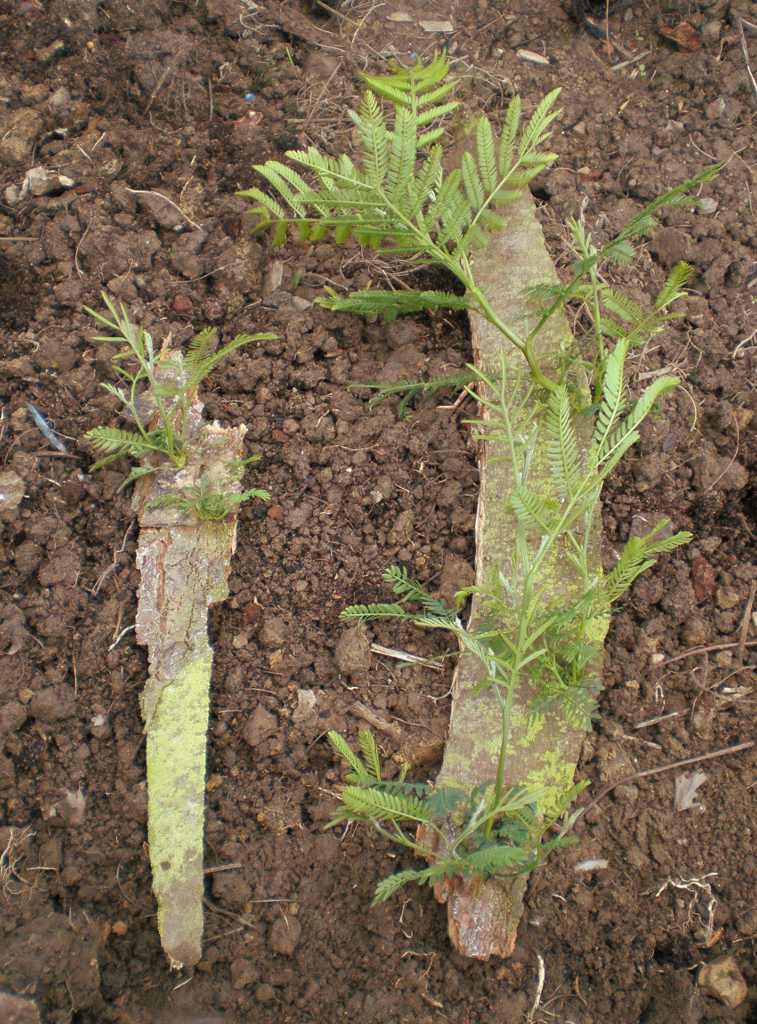
Remove suckers often. These are the shoots that emerge at the base of the tree.
If you wish to reduce the size or balance branch growth:
Wait for the end of the blooming.
Try to keep its umbrella-like shape.
Make any cut back to a fork or to the trunk rather than leaving stubs, which is standard pruning practice, and bear in mind that albizia wood is notably brittle.
Strip off the flat brown seed pods before they split, or seedlings will come up all round the garden.
If leaves yellow and wilt on one limb and the fade spreads through the crown, suspect mimosa wilt, a soil fungus with no cure that means felling and replanting elsewhere.
Water young silk trees deeply during dry spells until they are established.
Which silk tree to plant: varieties compared
Only a handful of Albizia julibrissin selections are widely traded, and they differ mainly in foliage colour, hardiness and the shape of the crown. Use the table below to match a tree to your garden before you plant.
Which silk tree to plant: varieties compared
Variety
Flower colour
Foliage colour
Habit and size band
Chosen for
Alba
Creamy white
Green
Spreading, medium
Pale flower schemes
Rosea
Deep rose pink
Green
Spreading, small to medium
Hardier than the type
Summer Chocolate
Pink
Deep burgundy-black
Spreading, medium
Dark foliage contrast
Ombrella (‘Boubri’)
Bright pink
Fresh green
Broad umbrella, medium
Classic parasol outline
Tryon
Pink
Green
Spreading, medium
Mimosa wilt resistance
Union
Pink
Green
Spreading, medium
Mimosa wilt resistance
Pendula
Pink
Green
Weeping, small
Arching, cascading branches
Learn more about the silk tree
Pink-red flowers with elongated stamens really seem to burst out and are very elegant. Both the leaves and the flowers contribute to establishing a feeling of airy lightness.
This is the reason this tree is called the “silk tree”.
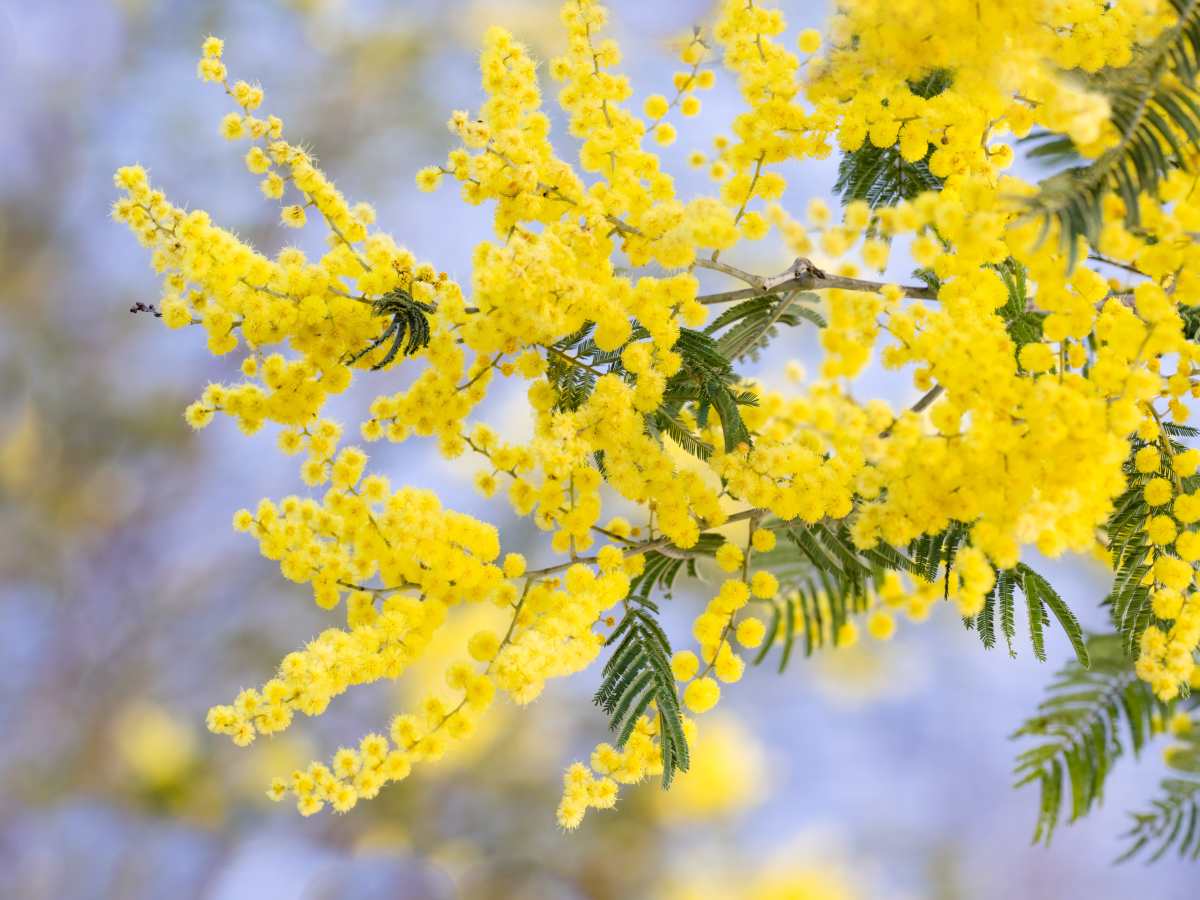
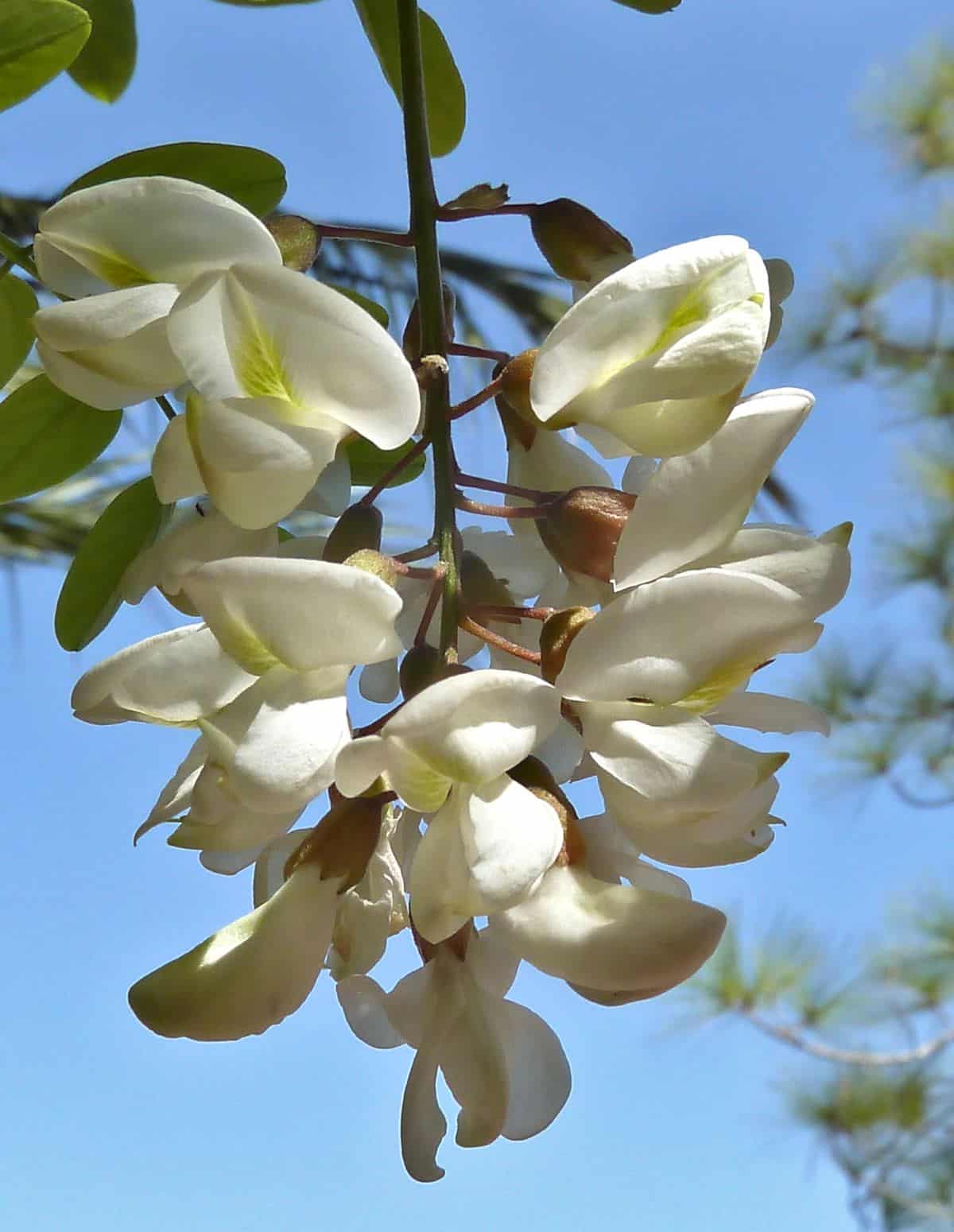
Another name for it is acacia tree (in Europe, mostly), or sometimes also the Persian mimosa tree. Its beauty should lead you to plant it as a standalone to best take advantage of its many appealing characteristics.
Smart tip about the silk tree
Plant your silk tree in full sun because it loves heat and its flowers will be even nicer!
🌿 Nature & Garden Newsletter
Gardening tips, recipes & seasonal advice, twice a week.