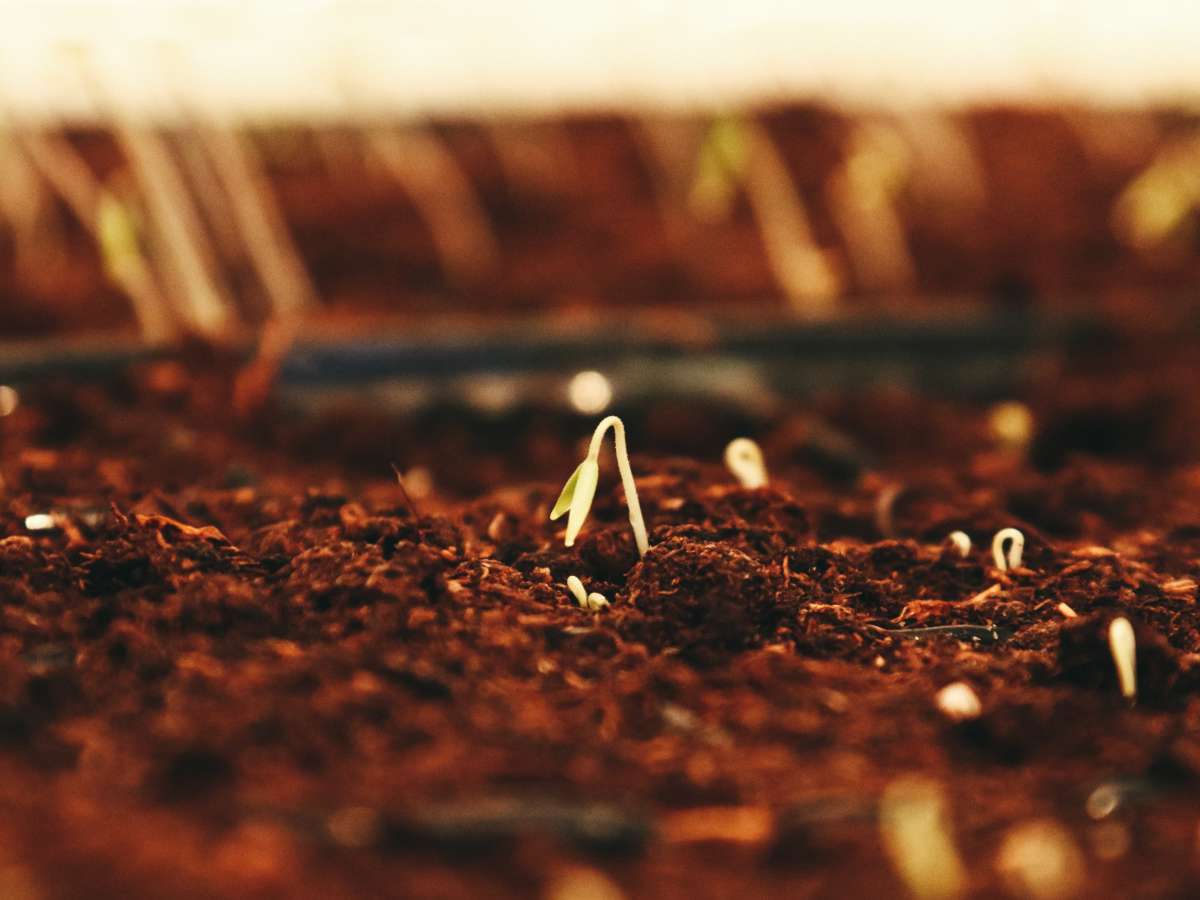
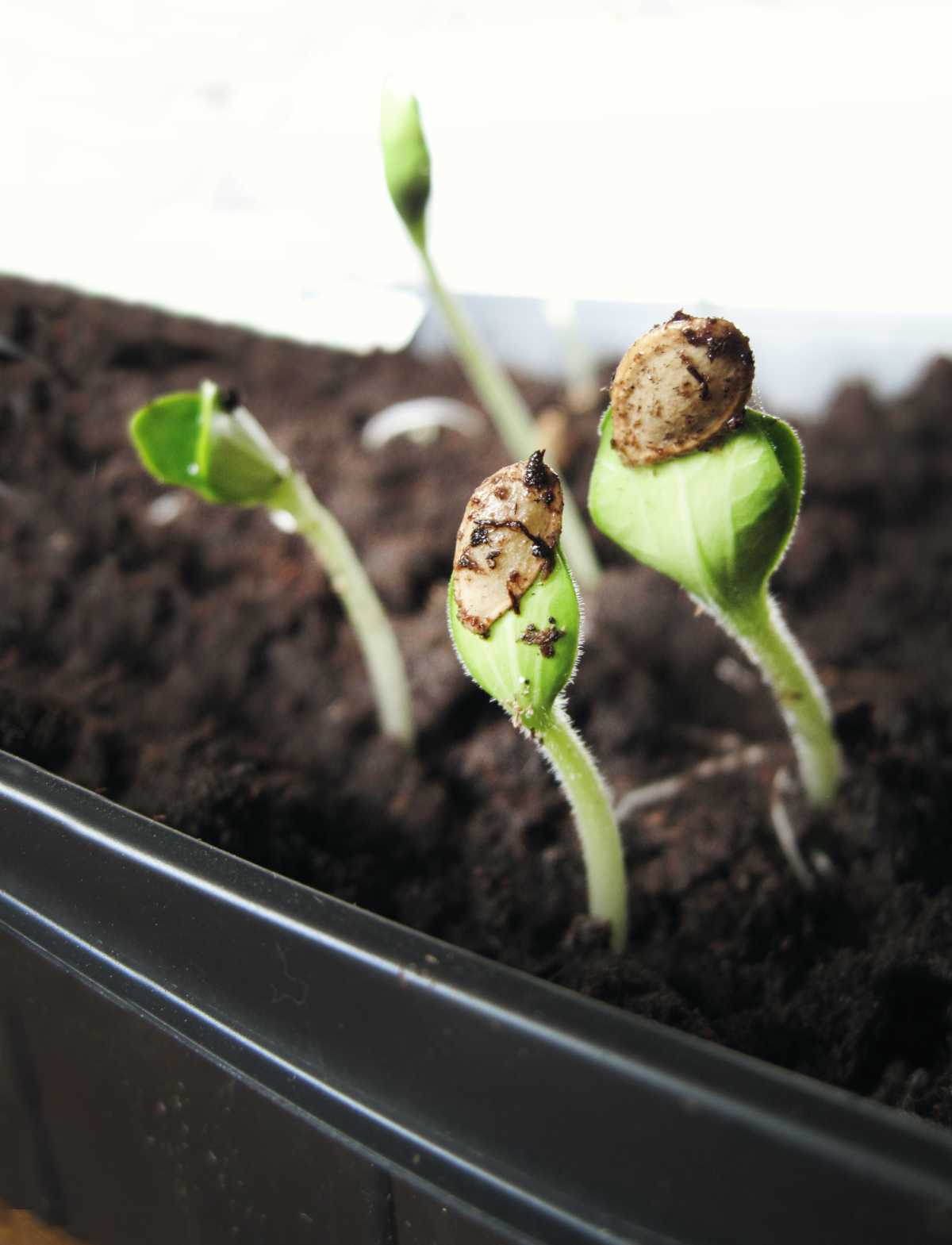
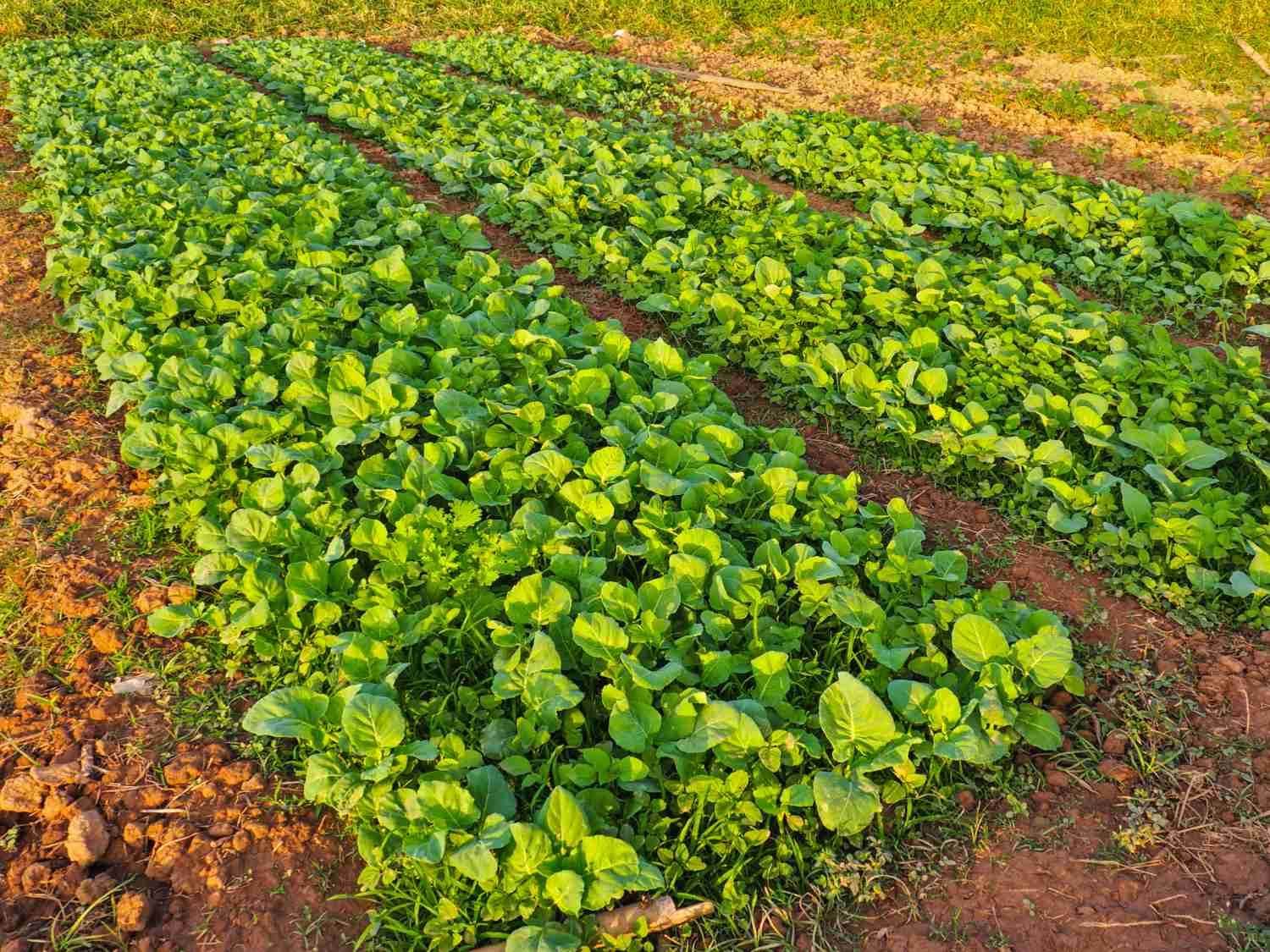
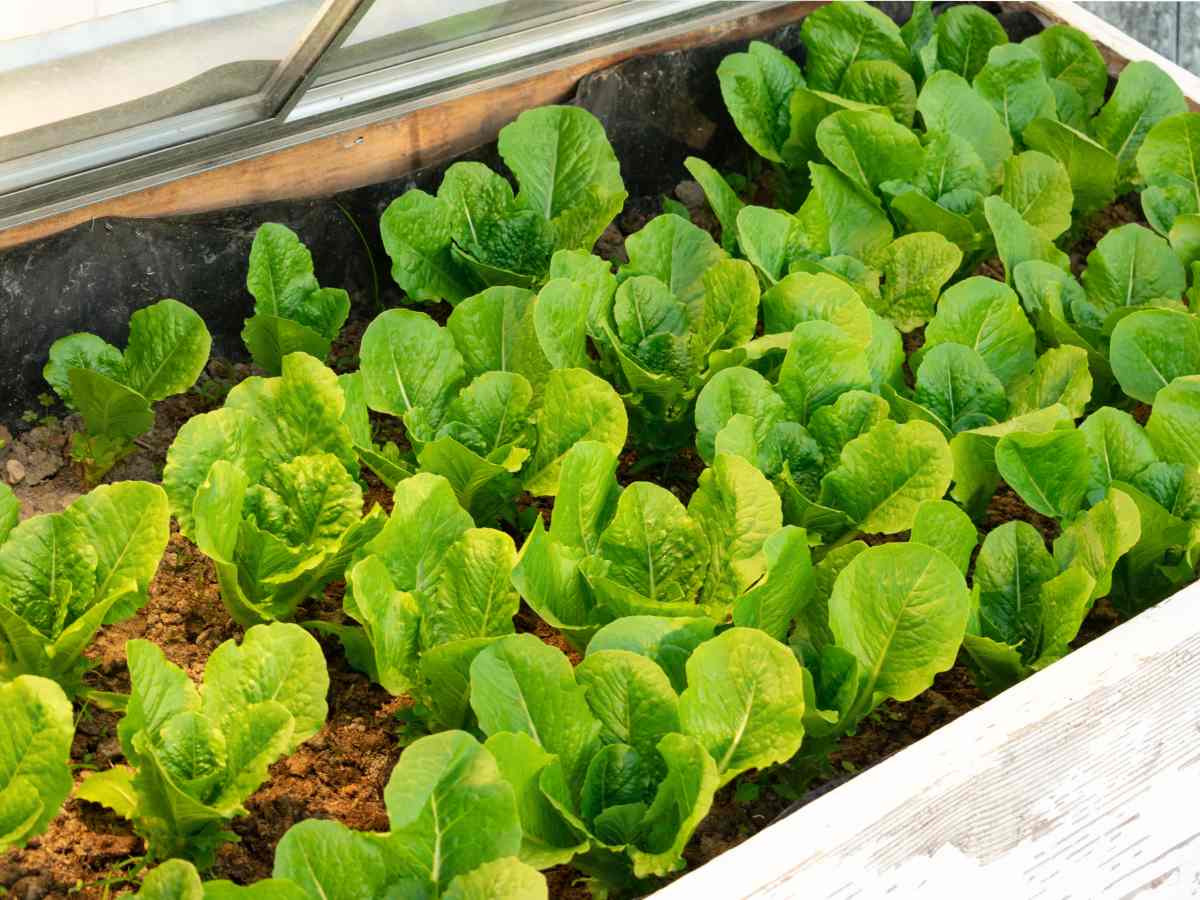
A shallow tray filled two-thirds with seedling mix, seeds scattered evenly across the surface, small holes drilled beneath for drainage: tray sowing starts a great many seedlings in very little space, under shelter. Keep the mix moist but never soggy, and the strongest can then be lifted into pots of their own.
Thanks to small holes drilled at the bottom of the tray, drainage can be optimized and is very effective.
It makes it easy to start a great many seedlings in very little space. Later, the most vigorous are moved to individual pots or to the ground.
A great many plants, vegetables and flowers can be sown in this manner. Avoid this technique for taproot-type plants (like carrots) and plants that should be started directly in the growing bed.
It’s important to prepare your tray well, with the right soil mix for each type of seed.
One tray starts many seedlings in very little space
Place clay pebbles at the bottom of the tray (in a layer about ½ to 1 inch (1 to 2 cm) thick) to ensure drainage.
Fill the broad pan or tray up to ⅔ full with seedling soil mix or substrate prepared from peat or soil mix (one part) and river sand (one part). Don’t add any fertilizer.
Flatten thereafter with a trowel or a slab of wood, and add soil mix until the tray is ¾ full.
Now, simply mist with water every day or two, to make sure the tray stays moist but not soggy.
After sprouting
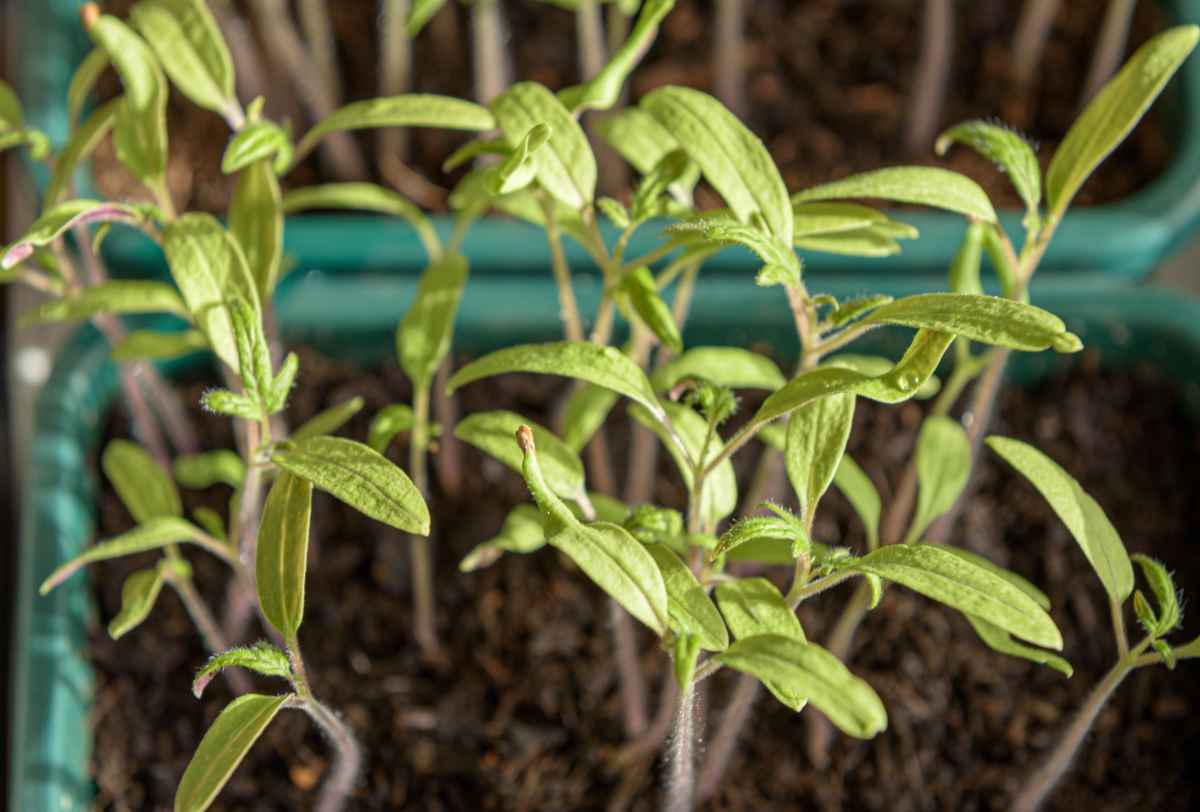
Left in the tray, seedlings compete and stay stunted
Once seeds have sprouted, time has come to transplant your seedlings. Indeed, you can’t let them mature in the tray. They would compete with each other, and turn out stunted.
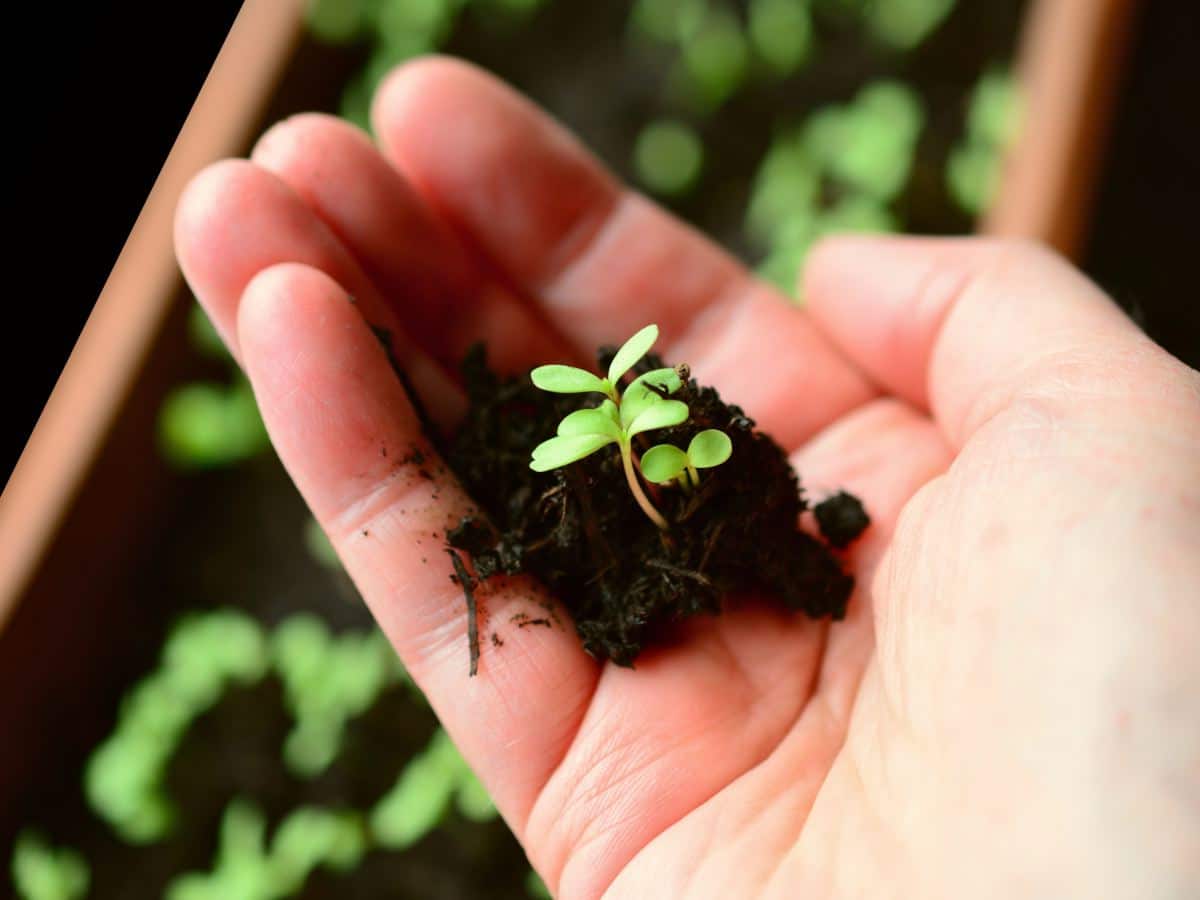
Thin by removing the most scraggly and weakest seedlings. Keep the most vigorous ones and move each one to its own individual nursery pot.
Images: Pixabay: Andreas Göllner, Unsplash: Jen Theodore, Jametlene Reskp
Written by Gaspard Lorthiois | Loves helping out, especially when it comes to growing things. Worked in herbal medicine, runs a farm, and dabbles in tech. Master's degree and engineer.