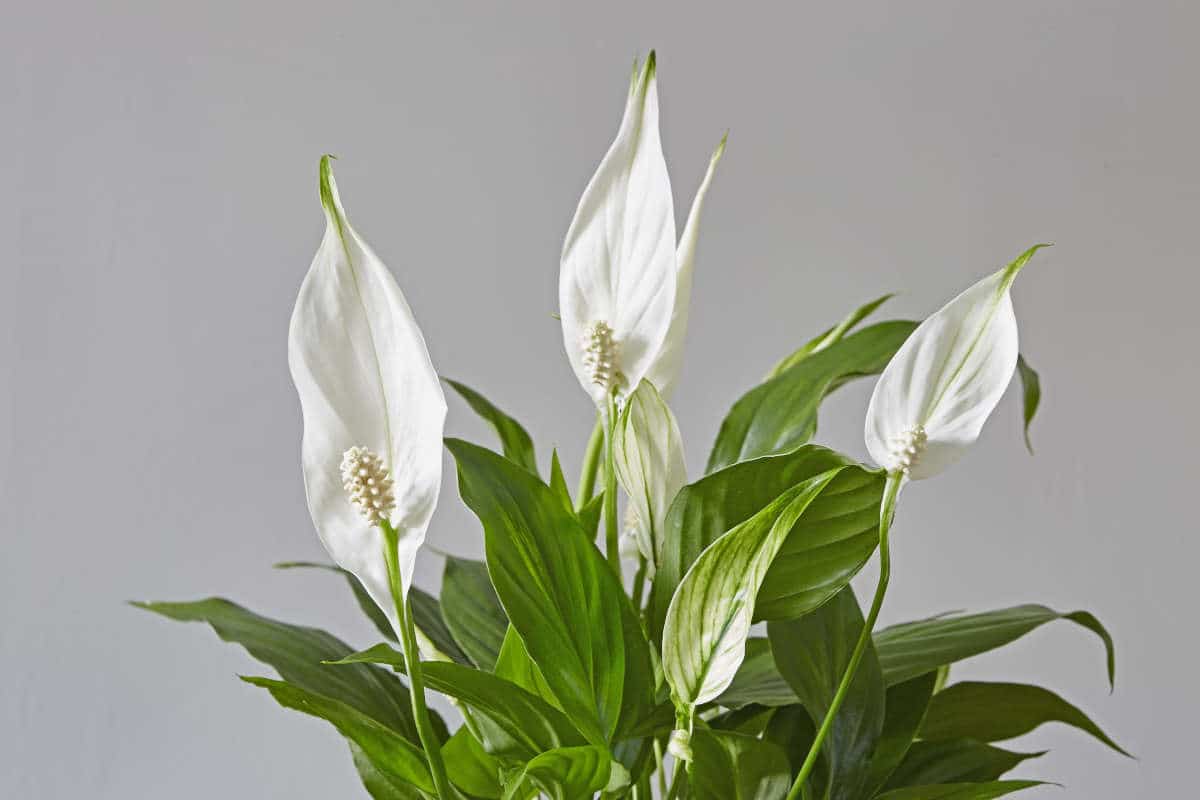
Glossy evergreen leaves set off abundant moon-shaped white blooms whose delicious fragrance lasts around ten days. The peace lily (Spathiphyllum hybrid) is prized as an easy, very long-lived houseplant, but moist air is the deciding factor: dry surrounding air invites red spider mites, while light out of direct sun keeps flowers coming all year round.
| Name | Spathiphyllum hybrid |
|---|---|
| Family | Araceae |
| Type | indoor plant |
| Height | 1 ⅓-3 feet (0.5-1 meter) indoors |
| Exposure | well-lit |
| Soil | soil mix |
| Foliage | evergreen |
| Flowering | spring to fall |
Here are our tips on how to care, plant and repot, water and fertilize as well as where it should be set up.
Under our climates, this plant adapts well to living indoors in our apartments and homes.
It grows best when surrounding temperatures hold around 68 to 72°F (20 to 22°C).
Lastly, ideally you would position the pot on a bed of clay marbles or small rocks often doused in water.
Evaporation from this water helps the leafage feel moisture much like its natural environment.
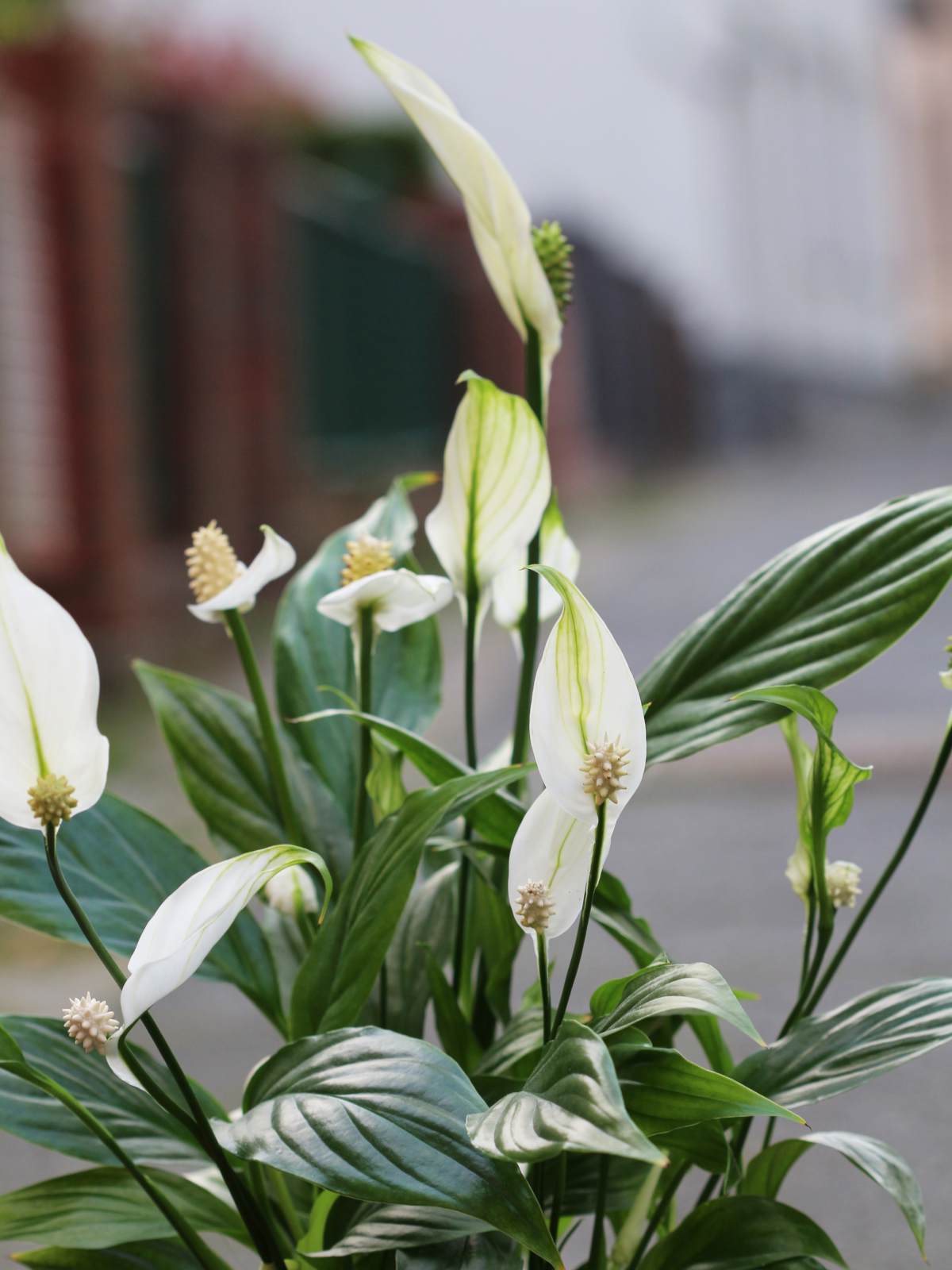
This plant loathes direct sun but nonetheless still needs excellent light.
After any chance of freezing has disappeared, usually from May onwards, you can even give the plant some holidays and let it travel to a spot outside during the summer.
Take note though, again it fears sunburns so keep it out of the sun…
The plant will do great in a spot that is a bit cooler, where temperatures hover around 60 to 63°F (16 to 17°C).
If that’s impossible, set it near a window facing North, away from any heat source.
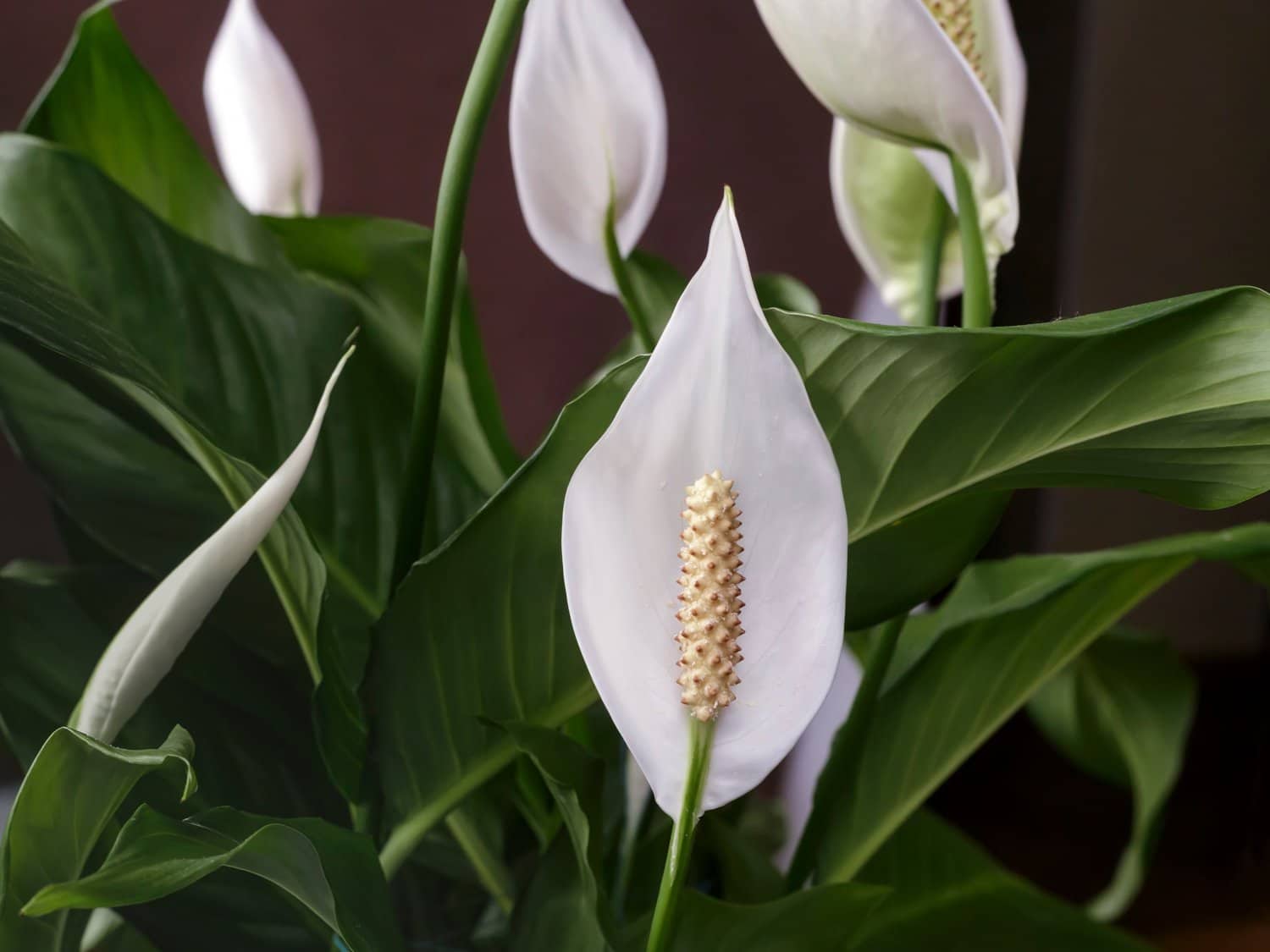
It must be regular but moderate.
Lastly, every 2 to 3 weeks, provide it with liquid fertilizer in order to increase blooming and ensure proper growth to the plant.
You must slowly space the watering and suspend adding fertilizer or organic matter.
The plant is entering its dormant state and needs to be left alone.
It will fare much better in a cooler room, or on a North-facing windowsill from October to March.
The same plant needs two quite different routines across the year. Use this table to see at a glance what changes between the growing season and the dormant months.
| Care point | Spring and summer | Autumn and winter |
|---|---|---|
| Temperature | Around 68 to 72°F (20 to 22°C) | Cooler, around 60 to 63°F (16 to 17°C) |
| Position | Near a window but out of direct rays; may go outside from May | Cooler room or North-facing windowsill, October to March |
| Watering | Regular but moderate; let the soil surface dry between waterings | Space the watering out slowly |
| Feeding | Liquid fertiliser every 2 to 3 weeks | Stopped entirely |
| Moisture on leaves | Mist regularly with soft water | Keep away from any heat source |
In short, warmth, water and food in the growing season, then a cool and quiet rest.
All there is to know about Spathiphyllum
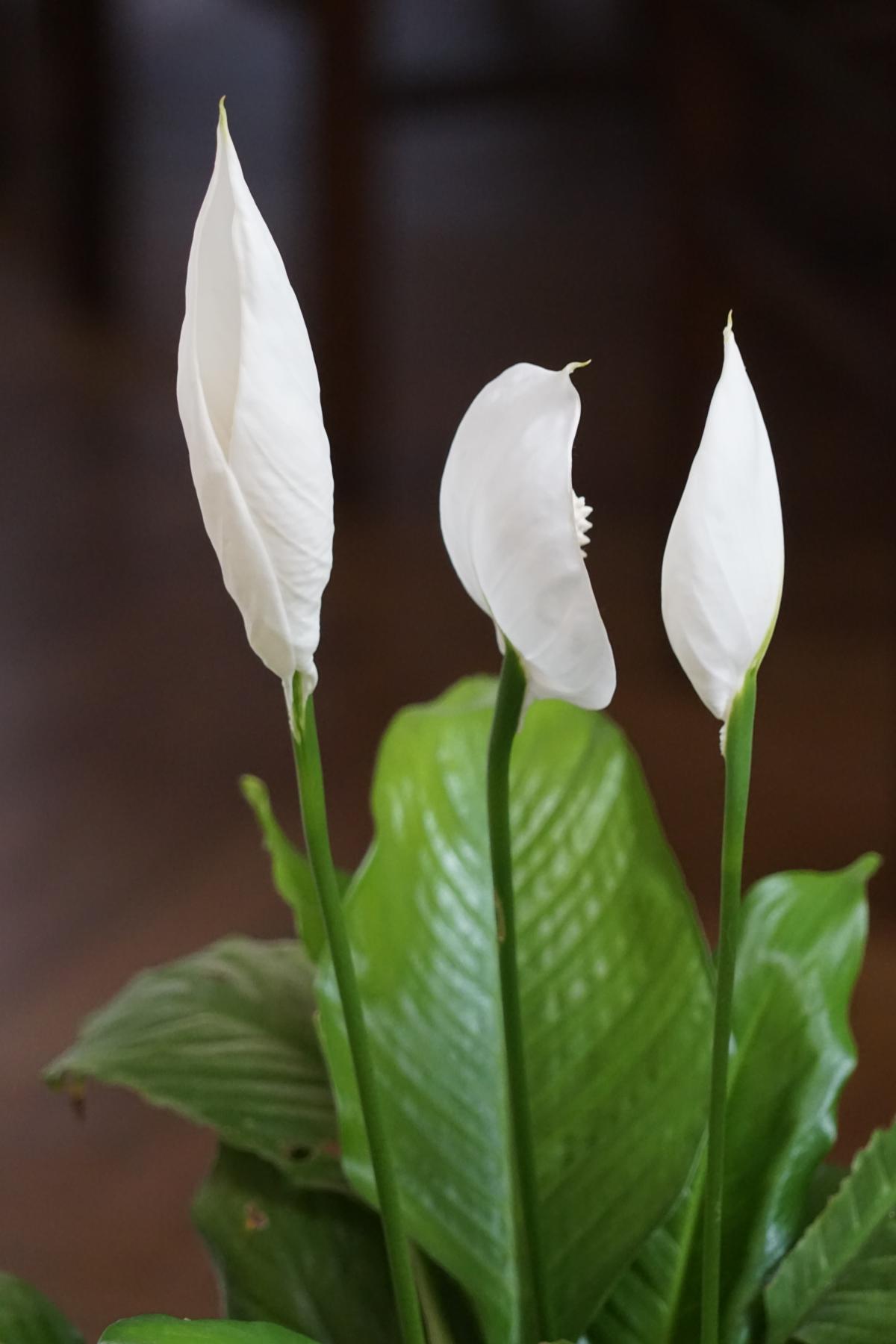
Native to Columbia, this plant has endeared a great many of us thanks to its magnificent foliage and its abundant moon-shaped blooming.
It resembles flamingo flower quite a lot, and spathiphyllum is equally easy to grow when the surrounding air and growing conditions suit it.
It is a plant that can live for a very long time and provide flowers all year round when in an optimal environment.
Occasionally infected by aphids or scale insects, dry surrounding air is what makes it most vulnerable to diseases and parasites like red spider mites.
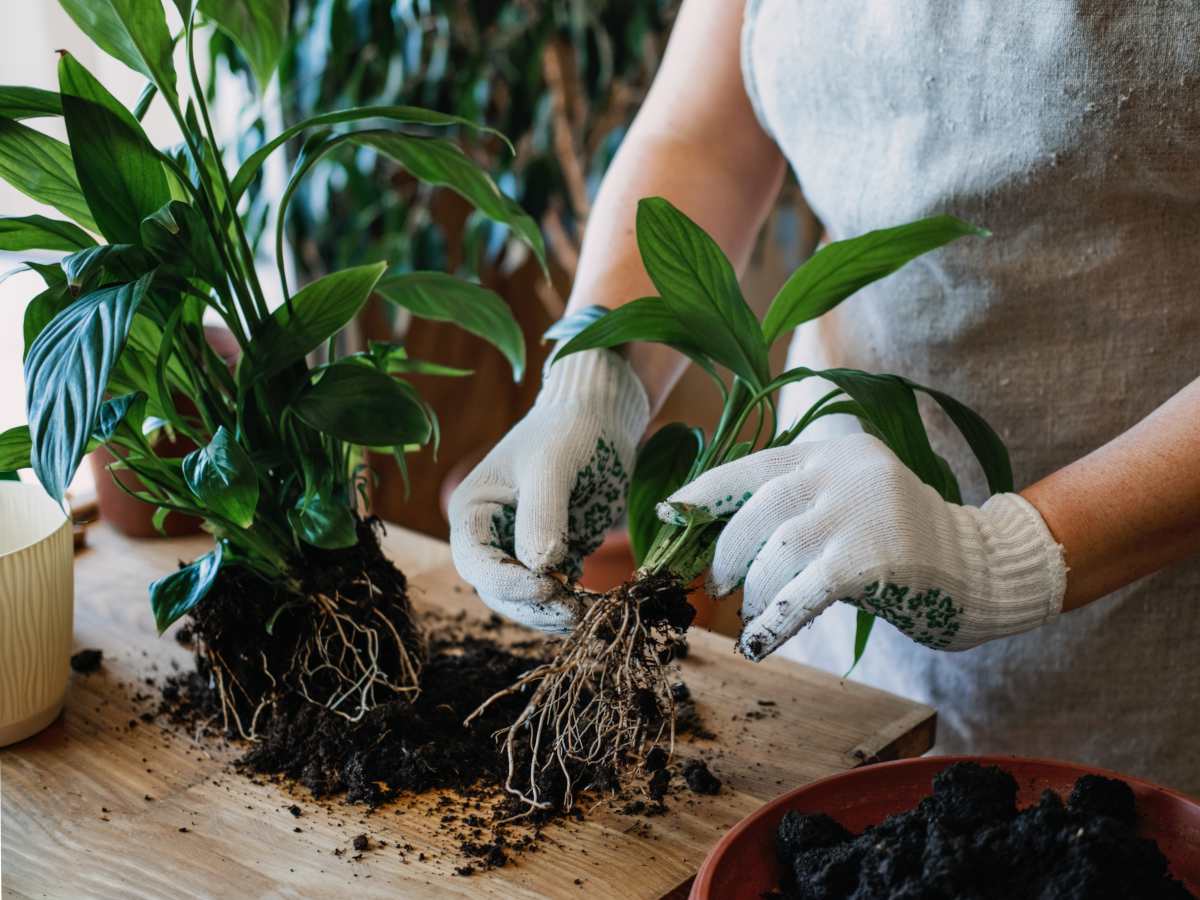
Lastly, if you wish to share the joy that this marvelous plant brings you, propagate it by dividing the bunch in spring, it’s very easy, results are almost guaranteed and it is always a great joy!
The fragrance of this flower is delicious, but will only last for around ten days. After that, you might want to cut the flower because it will start spreading pollen on the ground!
Read also: