As the days lengthen, the lawn still carries the blemishes of winter, the roses are unpruned and the beds stand empty. Spring garden tasks work through each zone in turn — lawn, flower beds, vegetable patch and orchard — from de-thatching and moss removal to sowing annuals and planting summer bulbs, so a few fine days pay off all season.
Fresh sunny days are perfect for gardening after the long winter wait.
Here is a short recap of tasks to work through for each different zone of the garden.
Starting in March, an in-depth makeover is called for to heal blemishes left behind in the lawn by a harsh winter. If you can get your hands on fine, sifted compost, go ahead and topdress the lawn to give it nutrient boost before spring.
It’s the time to remove moss and air the earth with a de-thatcher before mowing for the first time of the year.
In April, you’ll be able to sow new grass on bare patches.
Each part of the garden wakes up at its own pace. This table sets out what each zone asks for as winter loosens its grip, and what follows once the soil has warmed.
| Area | Late winter to early spring | Mid- to late spring |
|---|---|---|
| Lawn | Topdress with fine sifted compost, remove moss, de-thatch, then mow for the first time | Sow new grass on bare patches |
| Flower beds | Clean the beds, prune roses and summer-flowering shrubs | Sow annuals, plant summer bulbs and perennials, or divide those in place |
| Vegetable patch | Sow cover crops for green manure, spade the earth and add organic fertilisers | Sow spinach, lettuce, pea, carrot and radish; start tomato, pepper and courgette indoors and plant out after the Ice Saints |
| Orchard | Prune or crop fruit trees, mulch their base, treat scab with Bordeaux mixture once buds burst | Follow up with a sulfur spray; plant raspberry, blackcurrant and red currant bushes |
Working through the zones in this order spreads the load over the whole of spring rather than a single busy weekend.
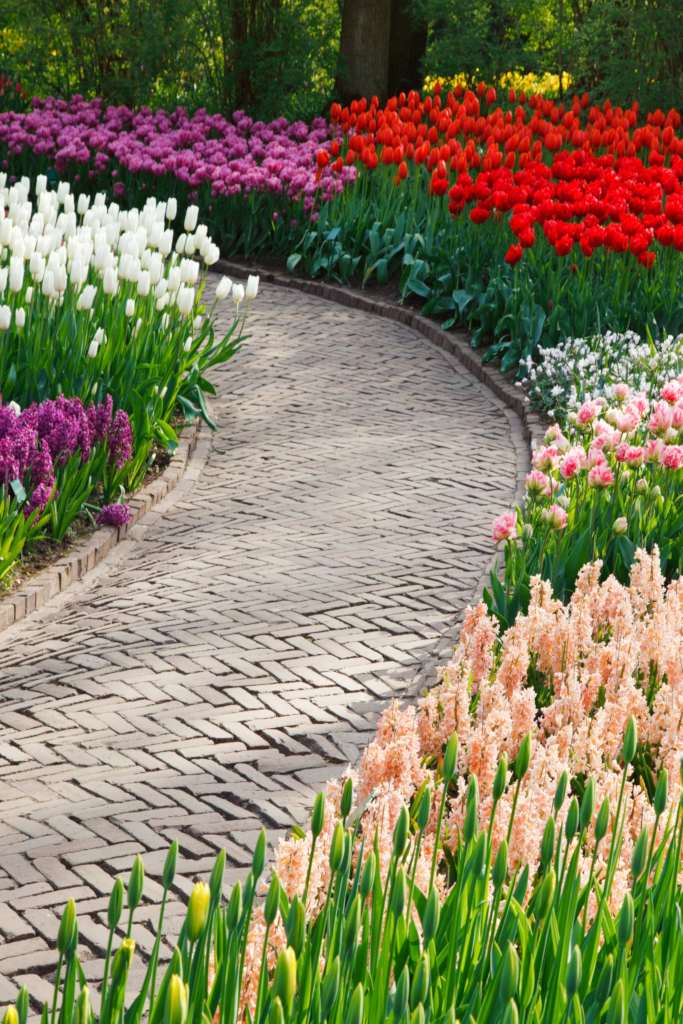
The time has come to clean the beds and prune roses and summer-flowering shrubs.
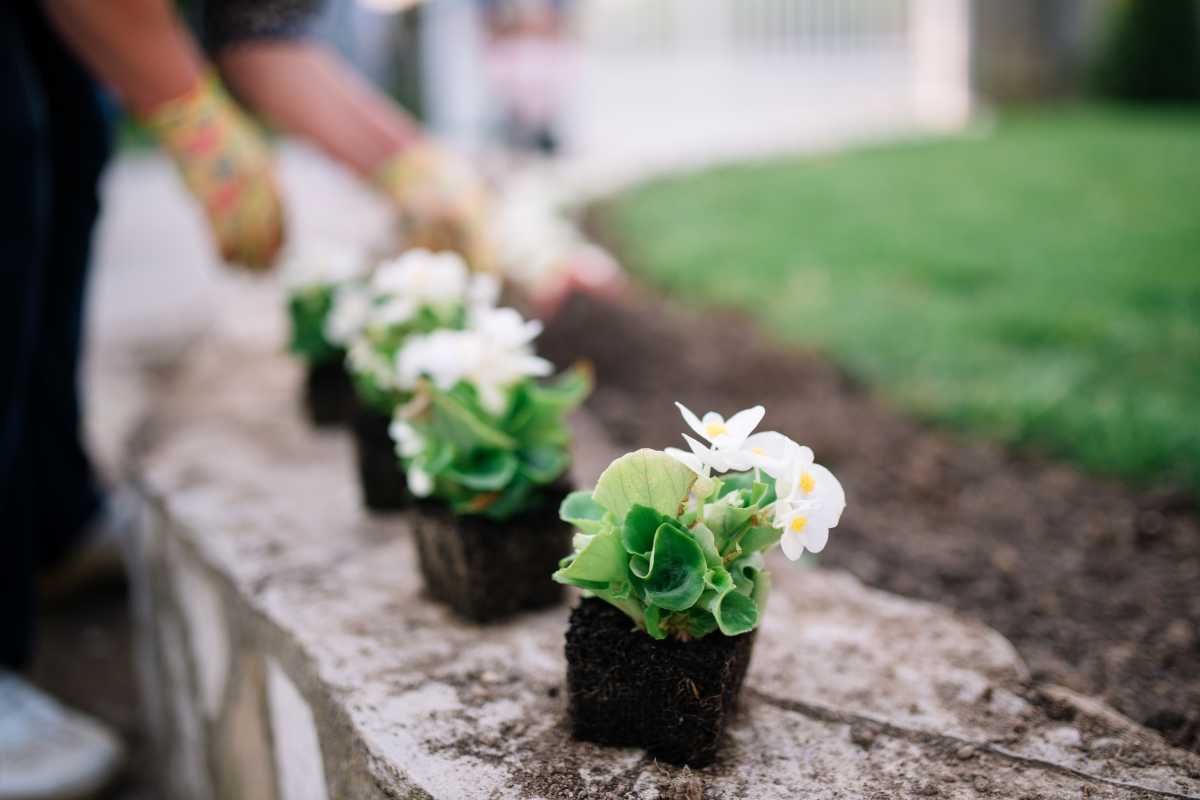
In April, prepare seedlings for annuals that will give color to your flower beds – nasturtium, wallflower, petunia, sweet pea, marigold, etc. – and plant summer flowering bulbs, too – dahlia, gladiolus, lily, crocosmia, balisier, etc.
Planted together, they will provide for magnificent multi-colored patches. If your soil is clay, cultivate them in pots. Also plant perennials – peony, lupine, gypsophila, etc. – or divide those that may already be in place.
Make the most of February and sow cover crops that will serve as green manure once tilled. In March, spade the earth to aerate it and add organic fertilizers.
In April, you may sow spinach, lettuce, cabbage, pea, carrot, onion, radish, leek and new potato plants.
Prepare your summer vegetable seedlings inside, where it is warm – tomato, zucchini, eggplant, bell pepper, herbs and spices, etc. They can be transferred in May, after the feasts of the Ice Saints.
Be on the lookout for caterpillar pests like large white. Pest control at the beginning of the season will ensure you won’t have large infestations later on.
Starting in March, prune or crop fruit trees and mulch their base.
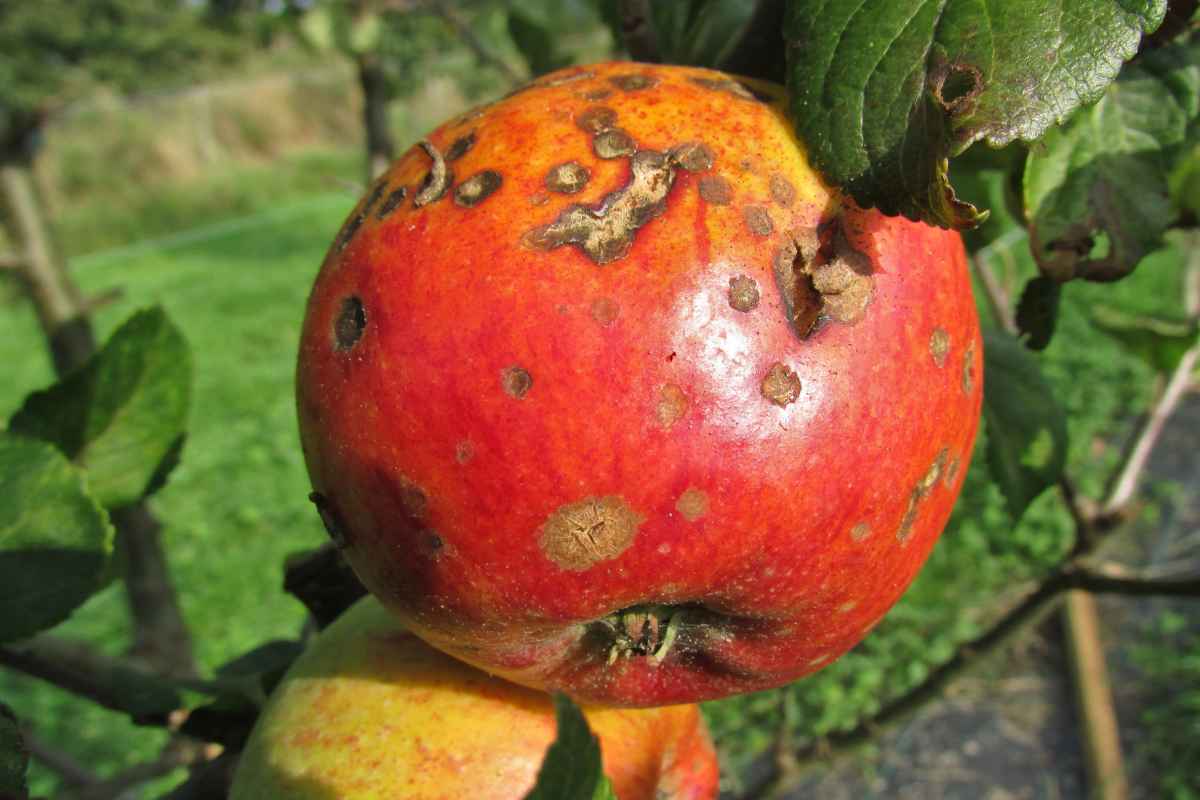
If your apple tree and pear tree have fallen victim to scab in the previous year, apply Bordeaux mixture once the buds have burst, then follow it up in April with a spraying of sulfur.
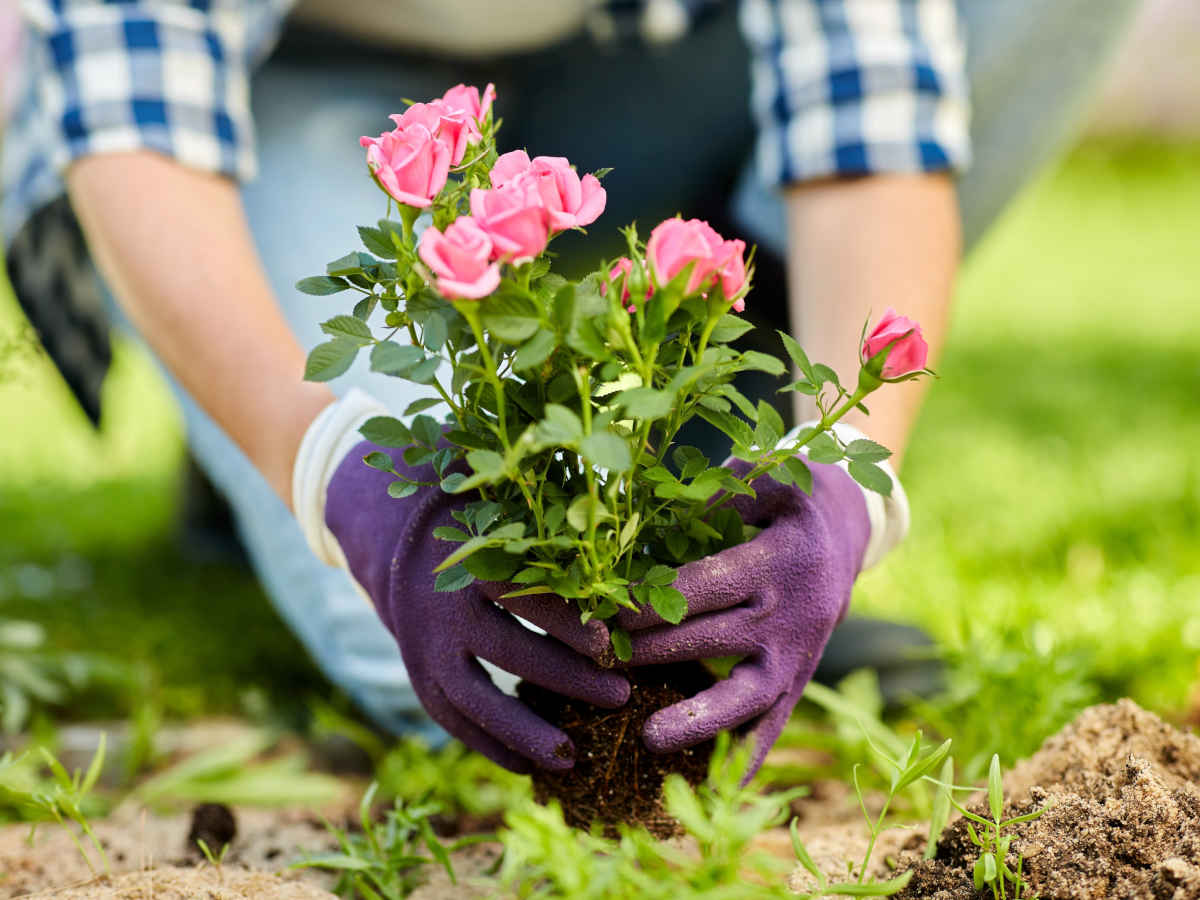
Are you up to a few red berries this summer? Plant raspberry bushes, blackcurrant and red currant bushes, too.
Laure Hamann