Flowering quince can open white, red, pink or orange buds as early as midwinter, magnolia’s large buds swell while the branches are still bare, and lilac scents the air from mid-spring. These five spring-blooming trees and shrubs ask little beyond a sunny, wind-sheltered spot to become the awaited attraction of each new year.
Read also:
Each of these five performs at a different moment and asks for a slightly different spot. Use the table to see which one fills the gap in your own garden year.
| Tree | Flower colours | Flowering time | Best position |
|---|---|---|---|
| Flowering quince | White, red, pink or orange | From midwinter in a mild winter | Sun and part sun, soil rich enough |
| Magnolia | Pink and white, on bare branches | From early spring | Sheltered from cold wind and scorching sun |
| Ornamental cherry | White to pink, simple or double | early spring to late spring | Open, sunny spot |
| Ornamental apple | Spring flowers, then fruit | Spring, fruit late summer to late autumn | Sun, with wind shelter |
| Lilac | Purple, white or cream yellow | mid-spring to early autumn | Part sun to full sun, but not scorching |
Between them they cover the garden from the tail end of winter through to late summer.
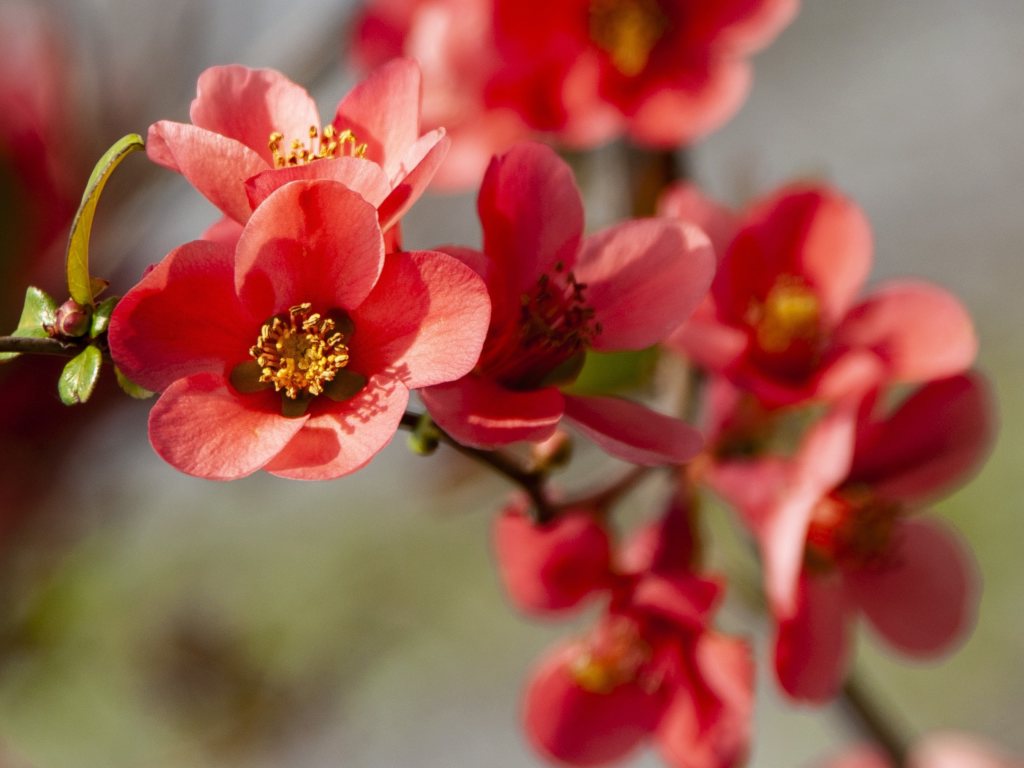
I’m first! The white, red, pink or orange blooming of the quince tree can start as early “as midwinter if winter is mild”, according to the Guide of easy plants to grow [Le guide des plantes faciles à cultiver] (Rustica Publishing house). This shrub native to Japan is easy-going and feels at home in sun and part sun.
It requires little care, simply soil that is rich enough. Plant in early autumn to mid-autumn or in early spring and mid-spring, near “other early spring-blooming shrubs like sprawling ceanothus or flowering currants, or (…) with a backdrop of perennial and bulbous plants (hyacinth, narcissus, grape hyacinth, lungwort, hellebore…)”.
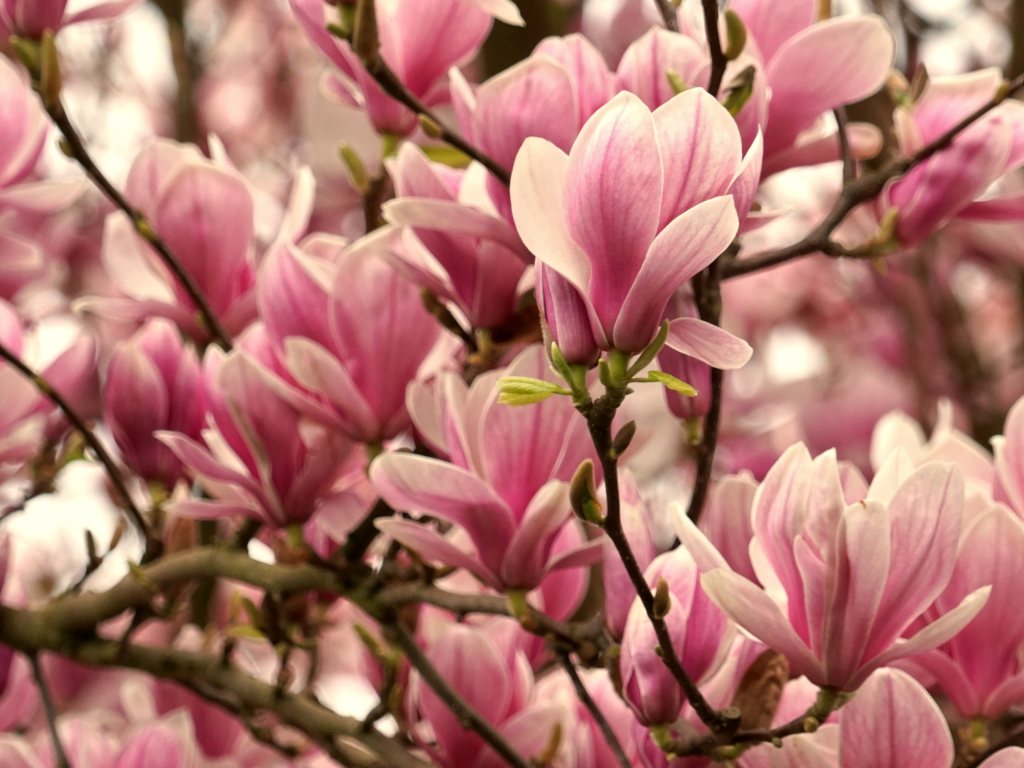
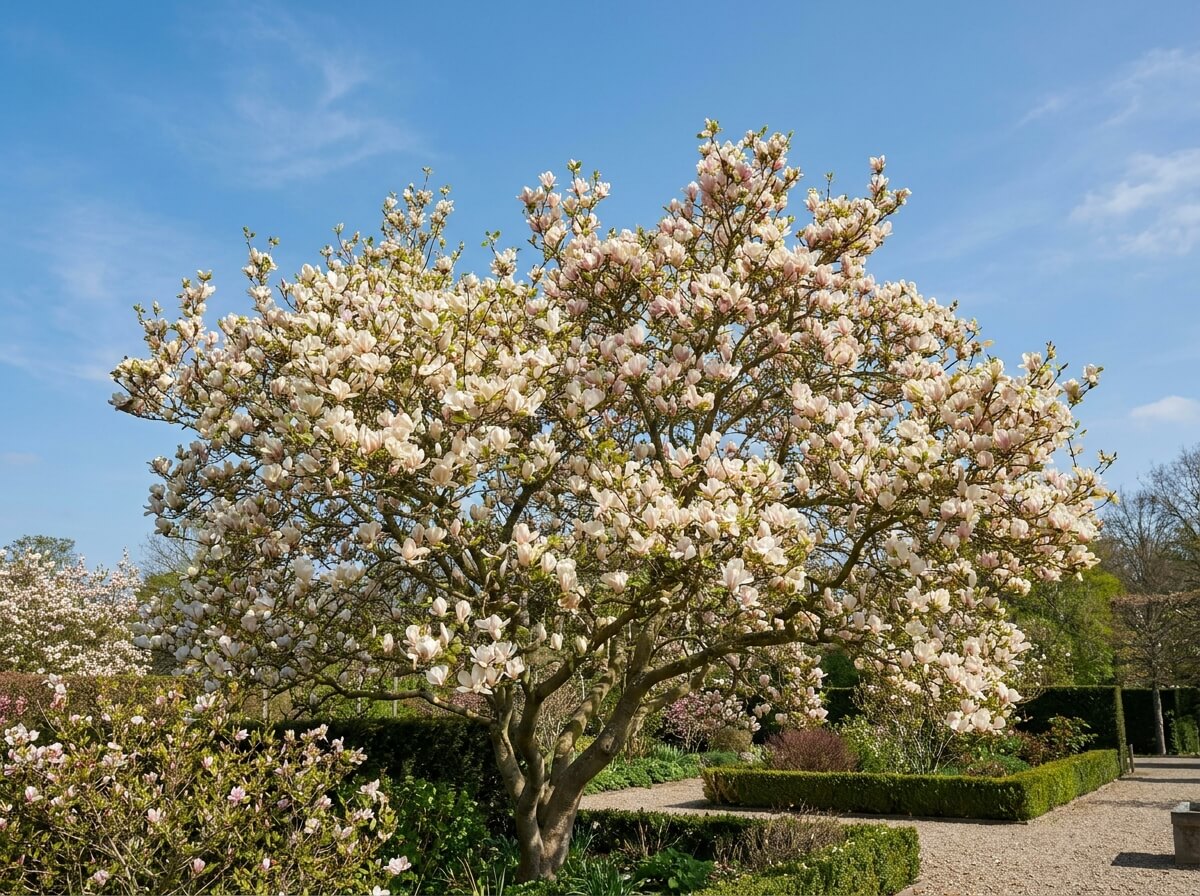
Same tips on pairing and care for magnolia, which, in early spring already, will surprise you with its pink and white blooming: the large buds appear as the tree is still devoid of leaves!
When planted in spots sheltered from cold wind and scorching sun, it will become an awaited attraction at the beginning of each year.
The most famous variety is Magnolia grandiflora which blooms until early autumn.
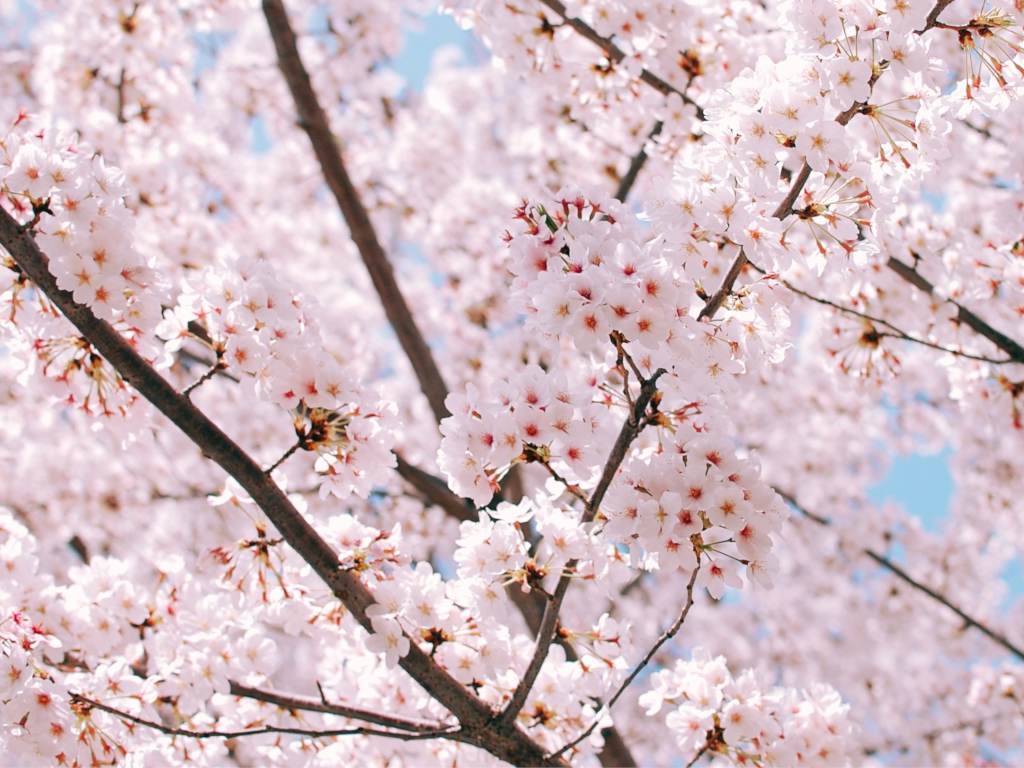
In the large Prunus family (fruit trees that also include apricot trees and plum trees), ornamental cherry and Japanese flower are essential flower trees.
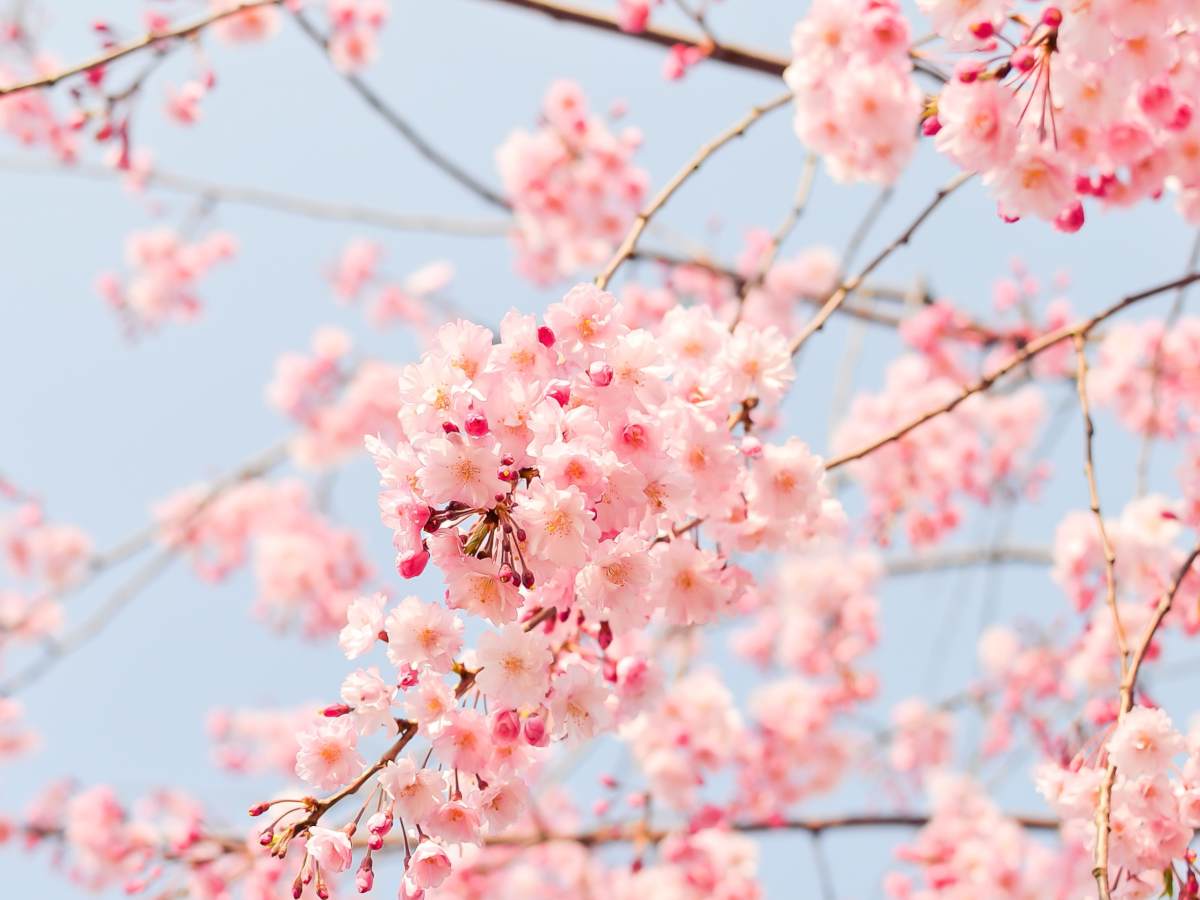
Their charm results from the “astounding spring-blooming, with simple or double flowers, white to roses with evergreen and flamboyant foliage in fall”.
Select an open, sunny spot for this one and admire the flowers from early spring to late spring!
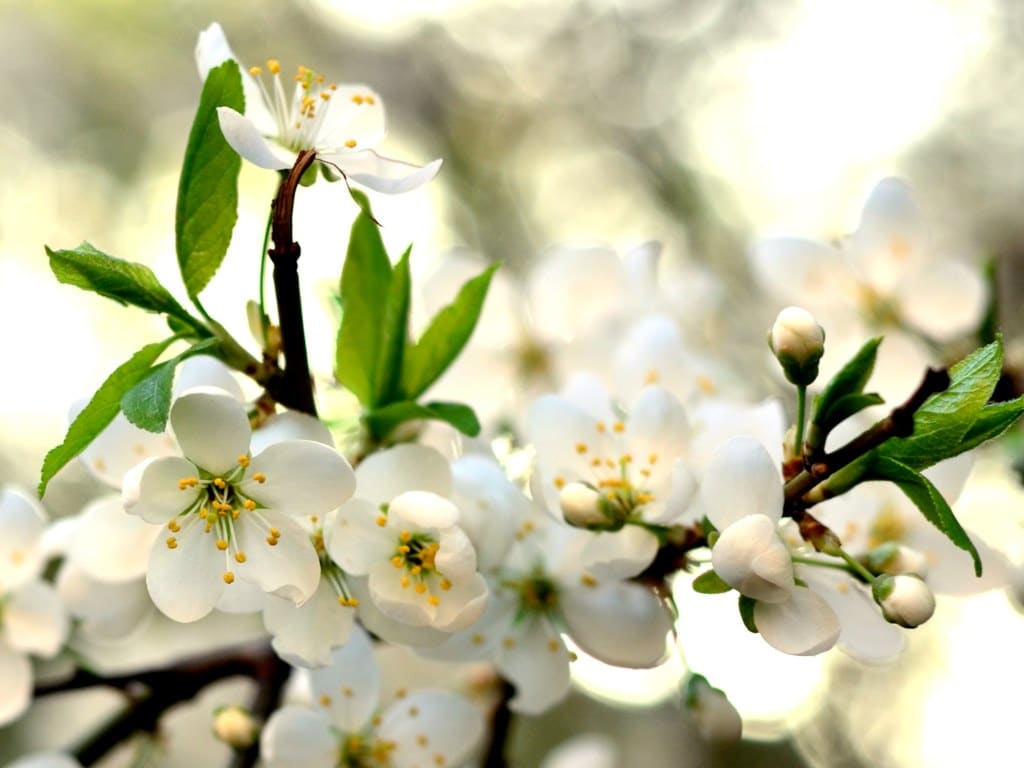
Double whammy for the apple tree, which both bears beautiful flowers in spring, and delicious fruits from late summer to late autumn.
This “ultimate fruit tree” is easy to plant in any garden, in the sun and with wind shelter.
It needs a stake over the first few years, and you can shape it to a lattice if you wish.
Tip to garden according to the phases of the moon: pick the apples during a waxing moon.
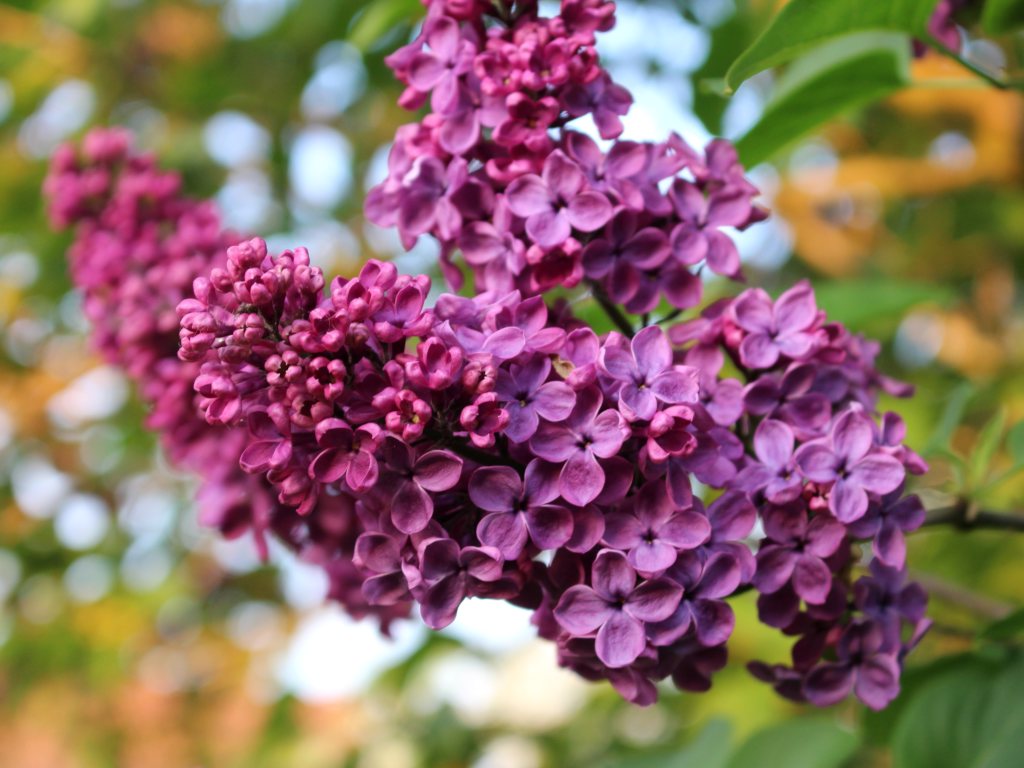
From mid-spring to early autumn, it releases a powerful scent in the air and decorates the garden and the house alike, and you can even use the flowers for bouquets if you cut them, they are either purple, white or cream yellow.
The Syringa vulgaris lilac is a shrub that “tolerates part sun and full sun, but not scorching. That’s where it will bear flowers best”.
Always plant it in fall or spring and set the roots deep enough that it won’t suffer from drought.
Claire Lelong-Lehoang