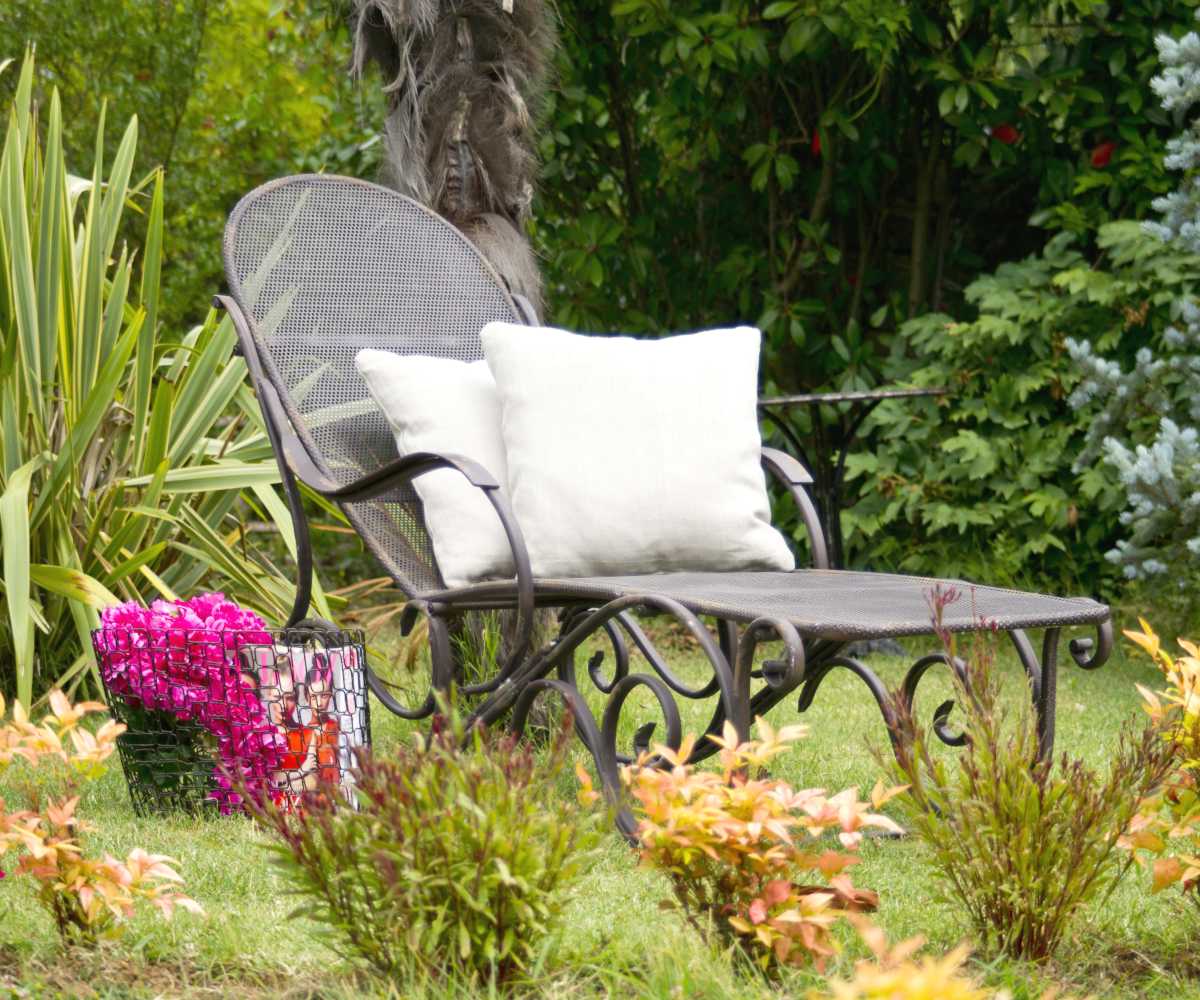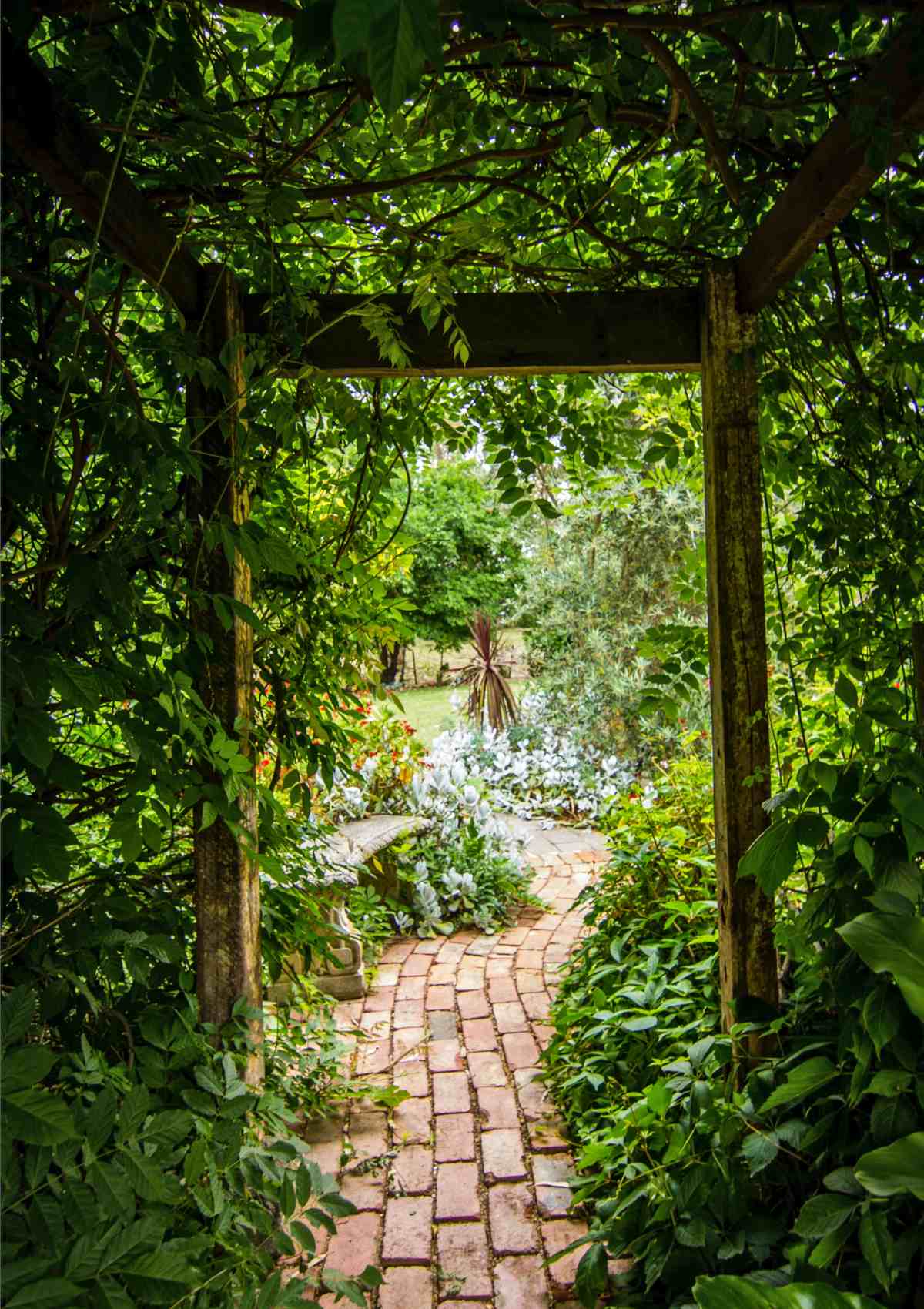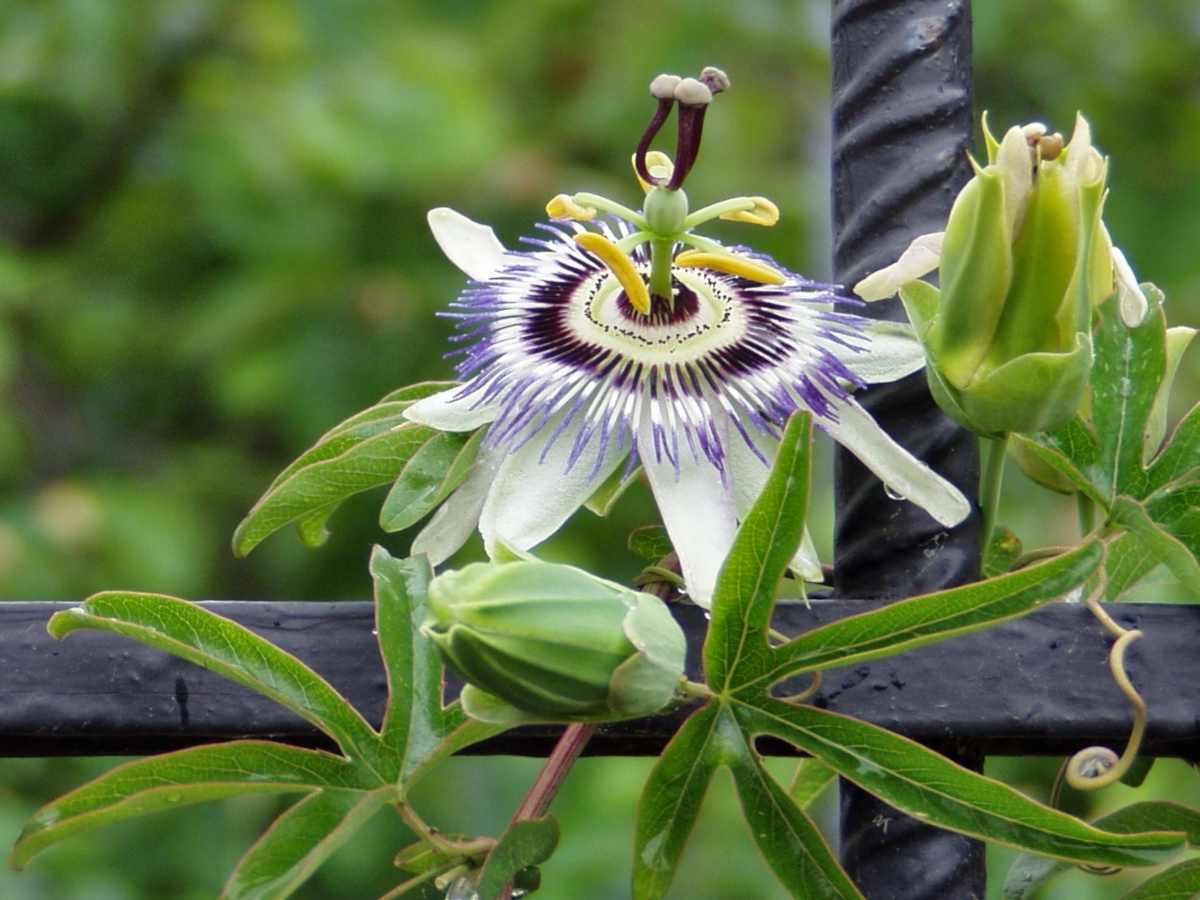
Wrought iron garden decors multiply the impact of any landscaping since this noble material can be worked to fit any style and expectation. Furniture set, pergola, low edge fence, bench, hanging swingset, gate, ornament…
The XIXth century is when metalworks turned mainstream, and steel started being used industrially.
Wrought iron works started spreading and its uses even included garden ornaments! For the past three years, wrought iron has started making a comeback as a key outdoor feature.
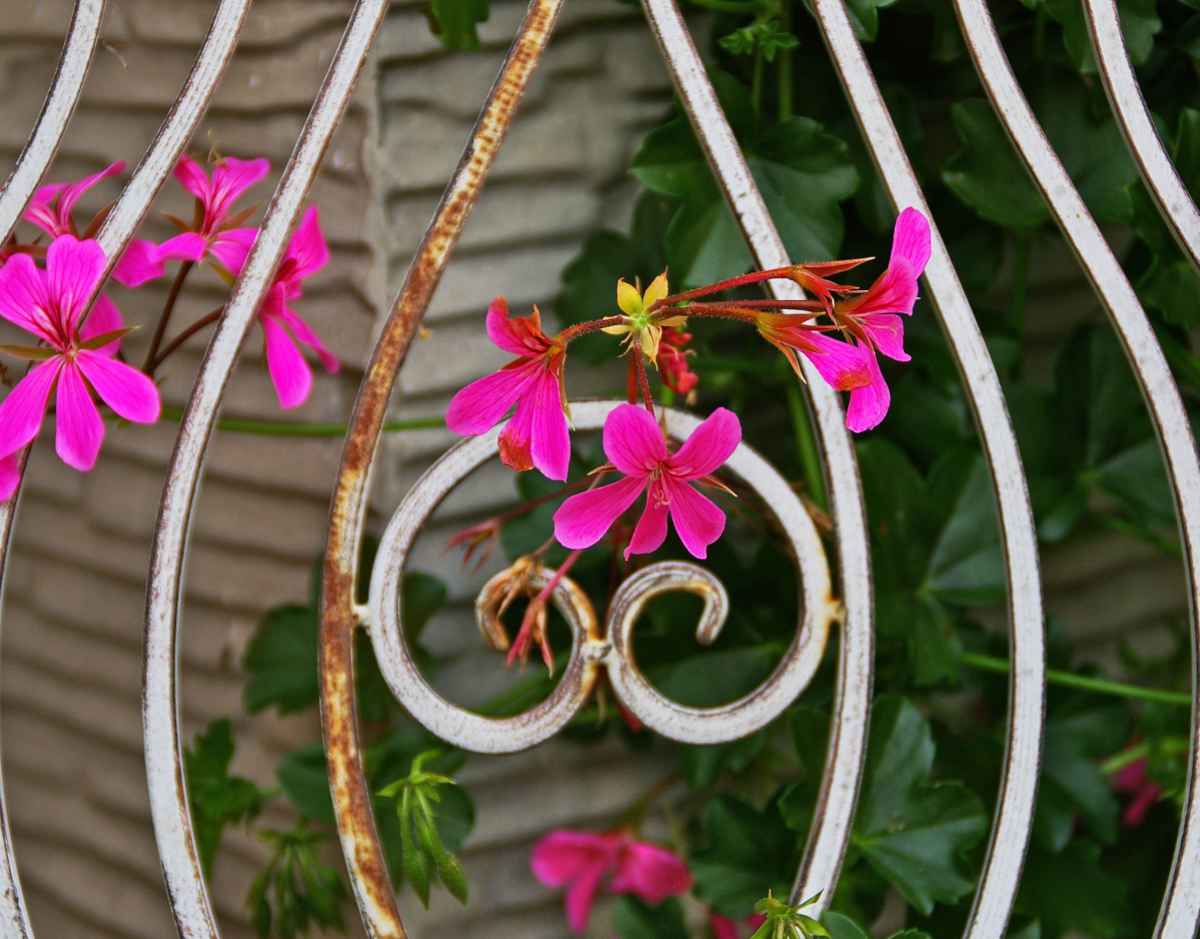
Usually it’s said to compete with wood, but
“Iron vs wood? No need to choose! Wood is actually something that enhances and emphasizes iron… iron has so many advantages!”
says Bernard Joly, founder of pergola-manufacturing company Métal Vert.
The first advantage of wrought iron is its durability. It can handle the flow of decades without taking on a single wrinkle. “For optimal quality, select galvanized iron” recommends the wrought iron expert. “Once in place, you’ll never have to replace it, wrought iron is virtually indestructible”.
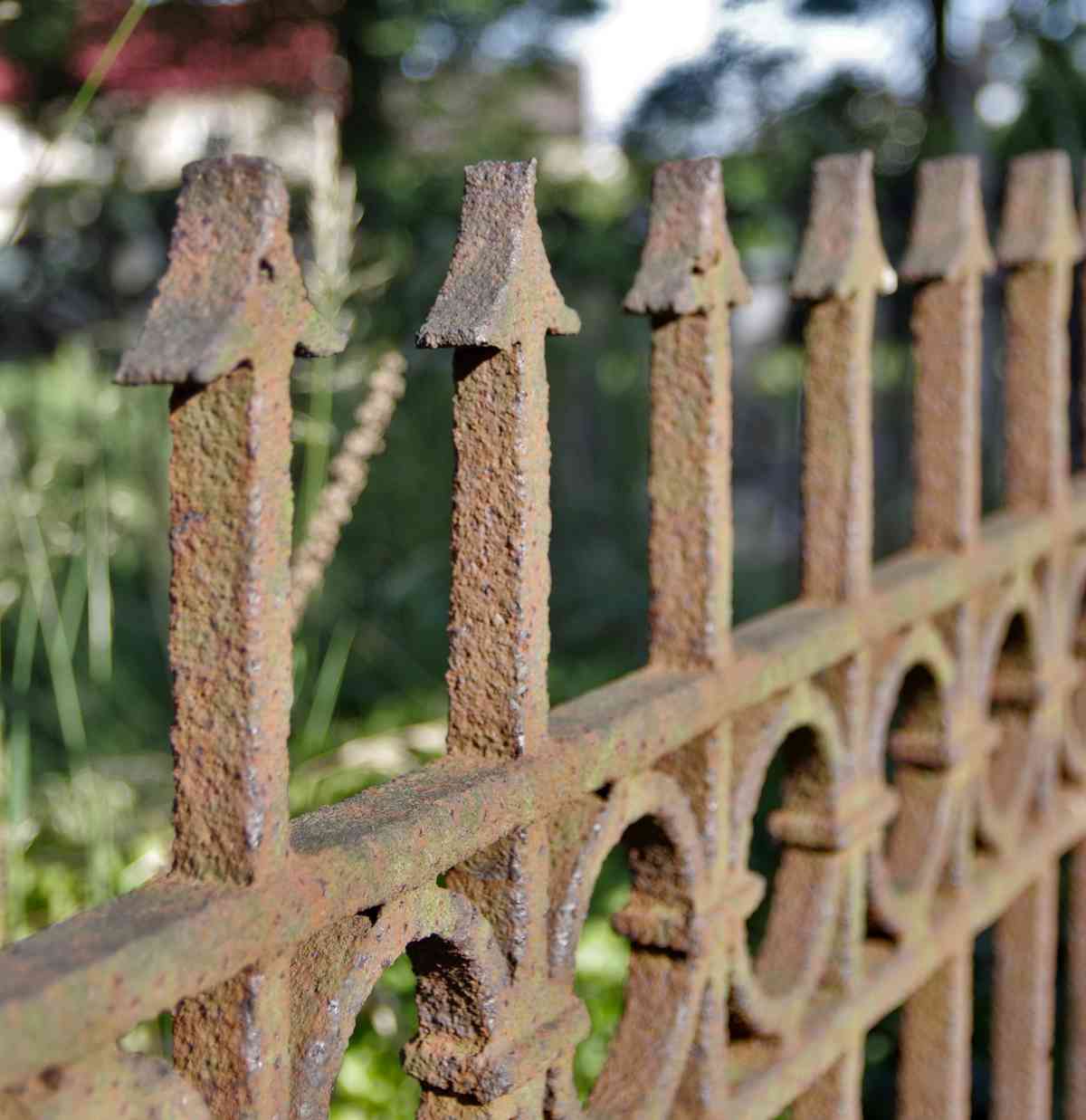
Wrought iron is also very easy to care for, it requires no attention at all. Simply run a soapy sponge on it once a season to restore a clean, fresh look. If ever your gate starts rusting a bit, simply apply rust-controller (with a brush or a spray can) before repainting the damaged area, and it will be as good as new for the upcoming six to ten years.
“In the end, if ever you’re giving a new life to a gate entirely covered with rust, the best solution is to sand it off before repainting”, shares Bernard Joly.
Last but not least: it can take on any shape you can imagine for unlimited creativity, especially if the “weathering steel” class of iron is available in your area. Aged iron is great for ornaments in all types of meditation gardens. It is timeless and connects us to society at large, without which iron wouldn’t exist…
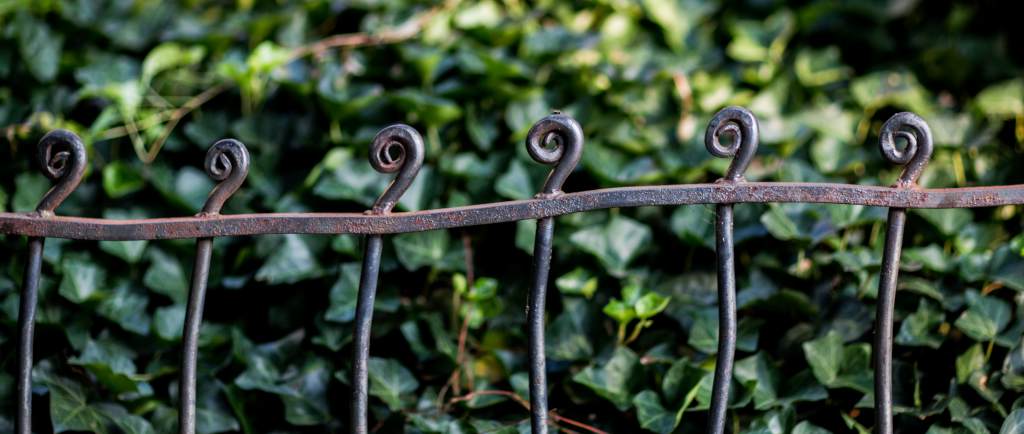
Here, with Ivy
The article describes three different ways of putting iron in the garden, plus what to do with ironwork you have inherited. Here is what each one offers before you commit to a gate, a pergola or a table.
| Option | Shapes available | Upkeep | Best for |
|---|---|---|---|
| Genuine wrought iron | Tubes, bars and any shape you can imagine | Soapy sponge once a season; rust-controller and paint on damaged spots | Gates, pergolas, benches, furniture sets and ornaments |
| Galvanised iron | As for wrought iron, with a protective coating | Virtually none; never needs replacing | Permanent, fit-and-forget structures |
| Weathering steel (Cor-Ten®) | Sheet metal only: twisted, folded, laser-cut | Best left uncoated so the rust patina can stabilise; keep it out of standing water | Flat ornamental panels and aged-looking features |
| Old ironwork already rusting | Whatever shape you inherited | Rust-controller then repaint; sand it off first if rust is everywhere | Giving a new life to a tired gate |
Whichever you choose, the reward is the same: a feature that outlasts the fashions around it.
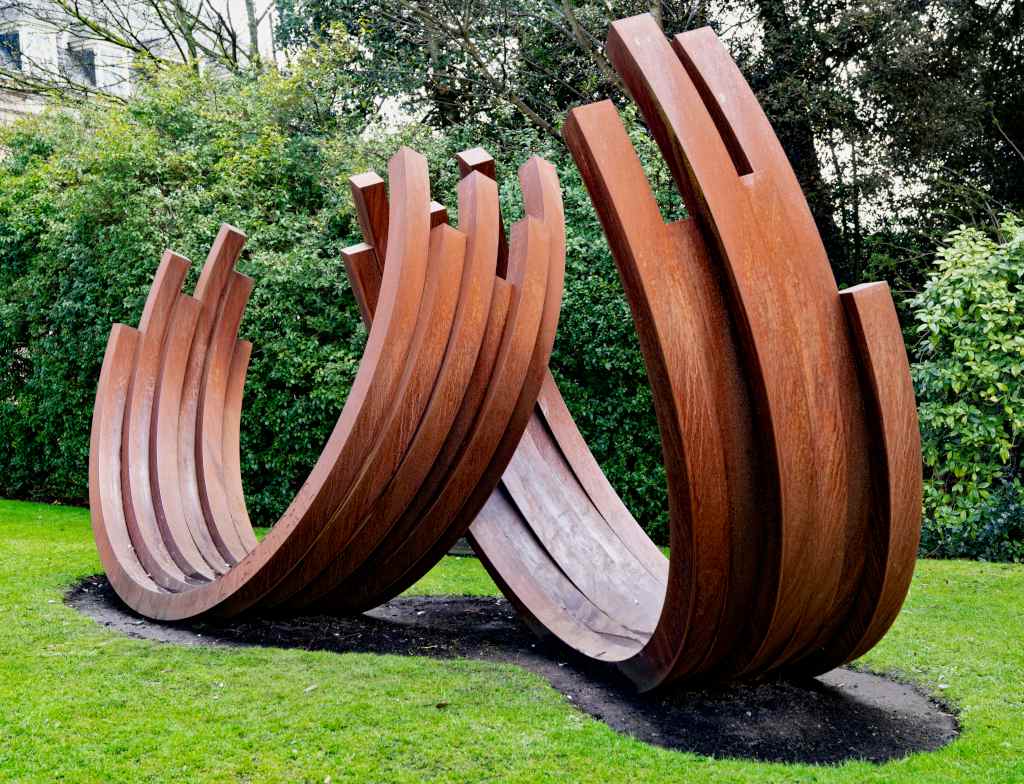
Self-burnishing weathering steel – trademarked Cor-Ten® – is a steel that rusts and stabilizes naturally. A first layer of rust forms a protective layer and the iron seems frozen in time. Bernard Joly adds a restriction, though:
“However, Cor-Ten® is only available as sheet metal, so it can be twisted, folded and laser-cut with ease…
However, there aren’t any tube shapes. This reduces the potential range of applications, unlike genuine wrought iron.”
Weathering steel normally performs best left uncoated, since paints and sealers block the wet–dry cycling that builds its protective patina, though coatings are sometimes deliberately specified for chloride-rich, sheltered, or staining-sensitive locations.
Weathering (Corten) steel’s protective patina stabilises only through repeated wetting and drying, so a panel kept permanently damp in soil or standing water will keep corroding and can eventually perforate.
Laser-cut steel edges can be left rough, burred or dross-coated rather than genuinely razor sharp, so it is still worth deburring or filing any piece sited beside a path or seating area.
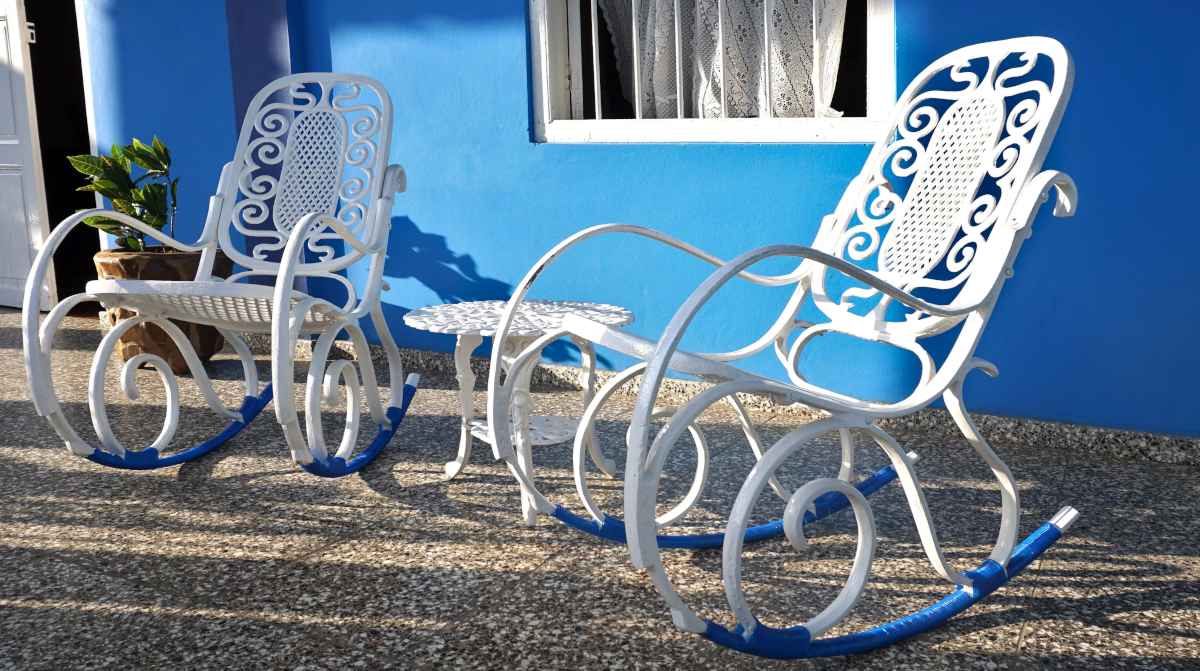
The ornamental appeal is crucial when considering landscaping and house extension projects. New design trends involving wrought iron now make use of laser cutting: it is now possible to request a specific, customized design for your gate or garden table to make a truly bespoke ornament! Moreover, you can find it in any standard color you need.
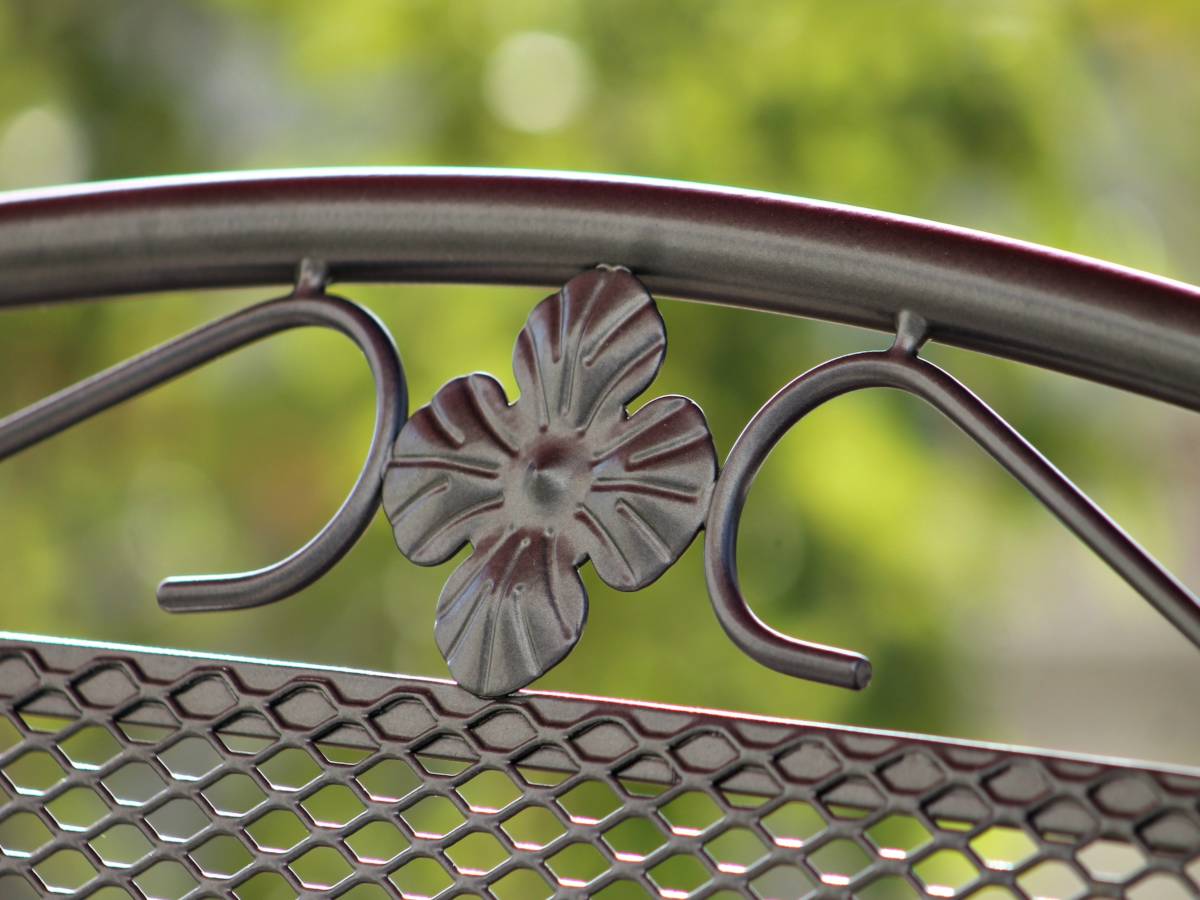
Wrought iron, in short, brings together the advantages of both vintage items and ultra-modern designer garden trends: an instant winner!
Claire Lelong-Lehoang
Read also: Use wrought iron to:
→ Related : resin garden furniture